
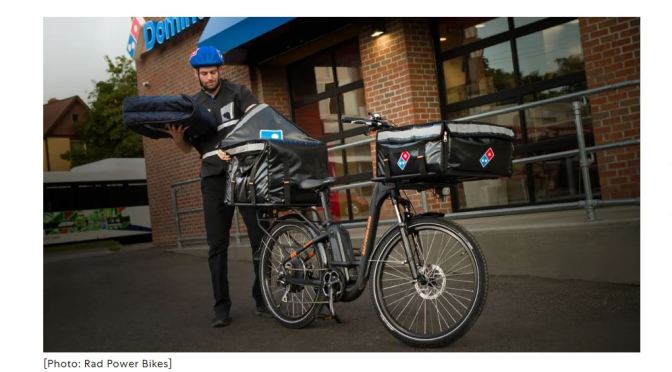
From a Fast Company online article:
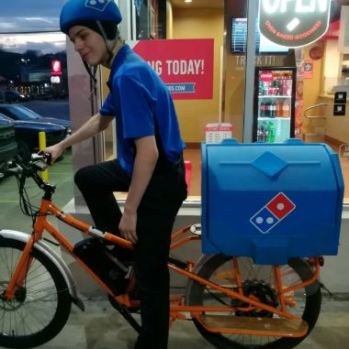 The national pizza chain recently announced a partnership with Rad Power Bikes, a Seattle-based electric cycle startup, in which Rad will provide Domino’s franchise owners with e-bikes to replace vehicle deliveries. Through the exclusive partnership, Domino’s franchise owners will have the option to purchase a custom-outfitted e-bike for up to $1,400. Switching from vehicle deliveries is not mandatory, but according to Brian Rinckenberger, commercial sales director for Rad Power Bikes, it’s likely to be an appealing option for Domino’s franchises as e-bikes could help speed up delivery times and create opportunities to have more people making deliveries at once.
That is what played out when Domino’s tested out making deliveries by e-bike in Houston, Miami, and New York City earlier this year. According to Rinckenberger, stores saw improvements in overall delivery time and service, as e-bikes are able to skirt around congested vehicle traffic lanes and can be parked much more easily.
To read more click on following link: https://www.fastcompany.com/90390713/the-dominos-delivery-of-the-future-will-arrive-by-electric-bike?utm_campaign=eem524%3A524%3As00%3A20190821_fc&utm_medium=Compass&utm_source=newsletter
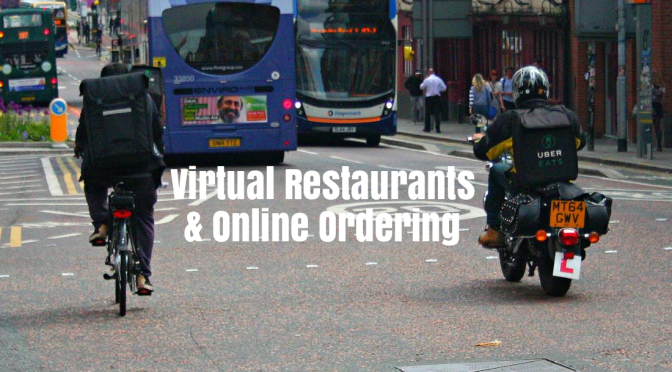
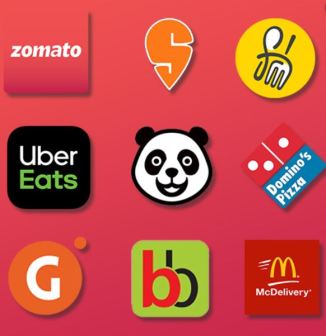 No longer must restaurateurs rent space for a dining room. All they need is a kitchen — or even just part of one. Then they can hang a shingle inside a meal-delivery app and market their food to the app’s customers, without the hassle and expense of hiring waiters or paying for furniture and tablecloths. Diners who order from the apps may have no idea that the restaurant doesn’t physically exist.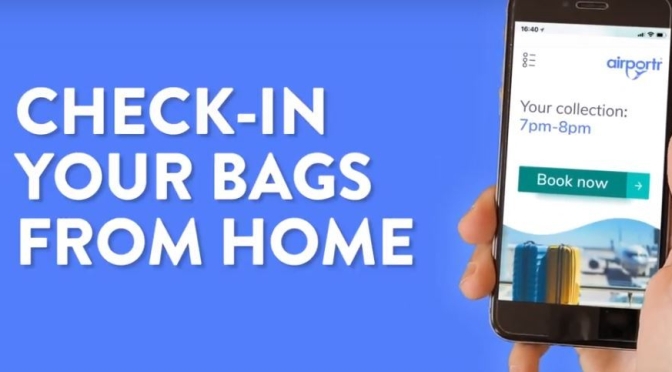
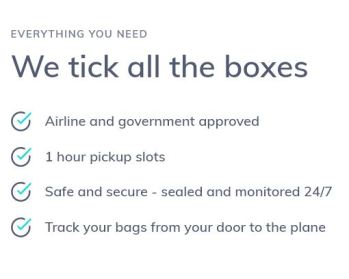 Here’s how Airport’s service works: A passenger checks in online. The company collects the bags from their doorstep after confirming the person’s identity. The driver puts the bag in a coded, tamperproof, and trackable security bag, the company said. The driver delivers the luggage to the airport, where they check in the bag.
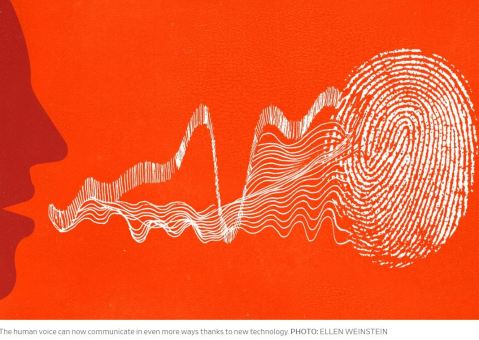 Slower speech, for example, could indicate fatigue or sorrow at one point in time, but over longer periods could signal something more severe, co-founder Jim Harper said.
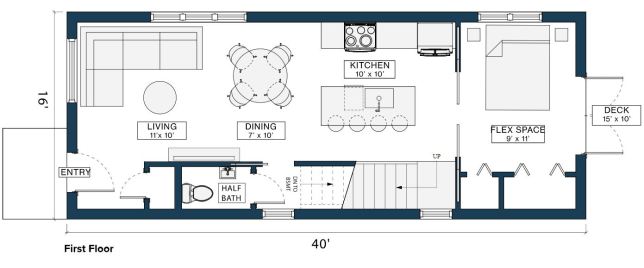
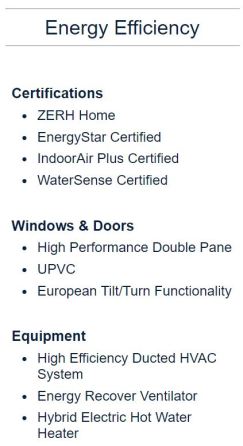 Garfield Corporation), a 4-unit mixed income development in Pittsburgh’s East End. One home, located at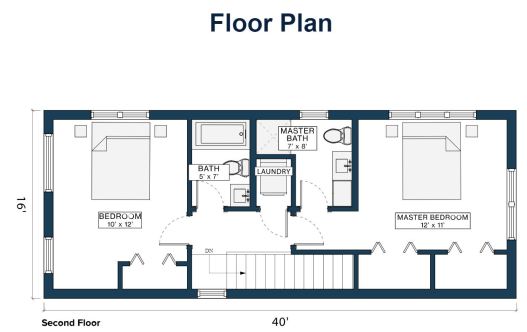

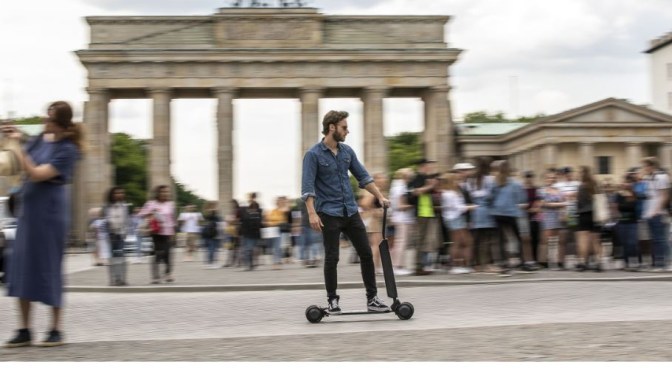
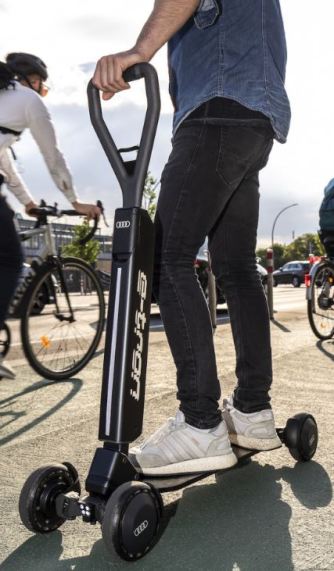 With a new e-scooter concept, Audi is responding to the urban trend towards multi-modal mobility. The Audi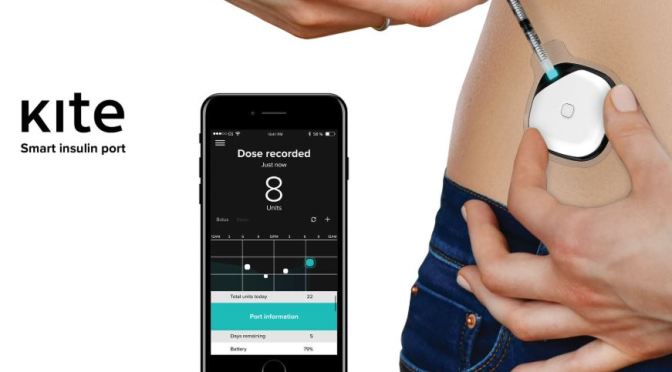
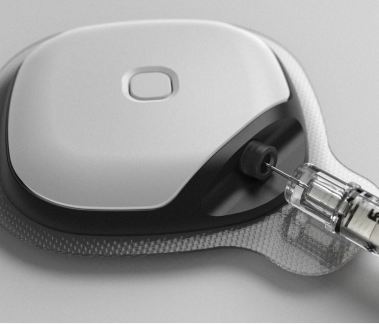 Imagine a smart insulin port attached to your skin, delivering the right dose, and at the right time. At the same moment, getting all information regarding your sugar levels, meds timings and health data, managed and analyzed with the accompanying app.
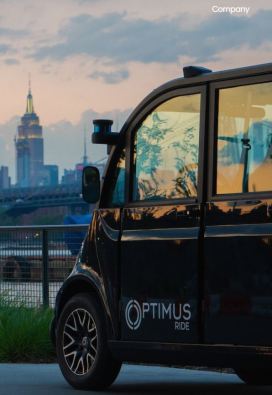 The car did what it was supposed to. The ride was a bit shaky, but it’s unclear whether that was because of the vehicle itself or because its AI system was constantly re-evaluating its surroundings. But it felt safe — we slowed down and swerved around a cyclist without leaving the lane. The cars had the entire route mapped out; each destination was already programmed in.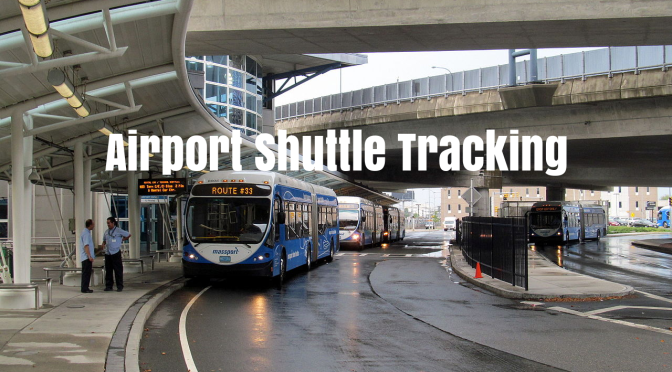
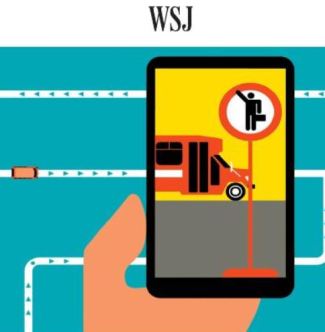 Airport shuttle tracking amounts to a big “it’sabout time” for frequent travelers. Hotel companies are playing catch-up on otherconnected functions, trying to modernize operations through phone apps.
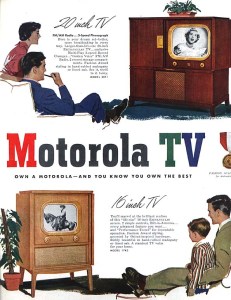 The postwar boom made TV ubiquitous: In 1950, 3,880,000 households in America had a TV—about 9 percent of the total population. By 1960, 90 percent of all households had at least one. This was the golden age of appliance marketing for all kinds of durable goods, from cars to dishwashers, and television marketers initially took a curious tack with their wares. While the auto industry and manufacturers of coffee makers and cooktops positioned their products as accessible components of a high-tech future, the makers of television sets often sold their devices as elegant pieces of contemporary or even classic furniture.
 Boomers Daily