
Investors and big auto makers are pouring money into electric-vehicle startups in a search for the next Tesla, with the hopes of cashing in. One company is drawing more scrutiny than most. WSJ explains.
Illustration: Jacob Reynolds/WSJ

Investors and big auto makers are pouring money into electric-vehicle startups in a search for the next Tesla, with the hopes of cashing in. One company is drawing more scrutiny than most. WSJ explains.
Illustration: Jacob Reynolds/WSJ
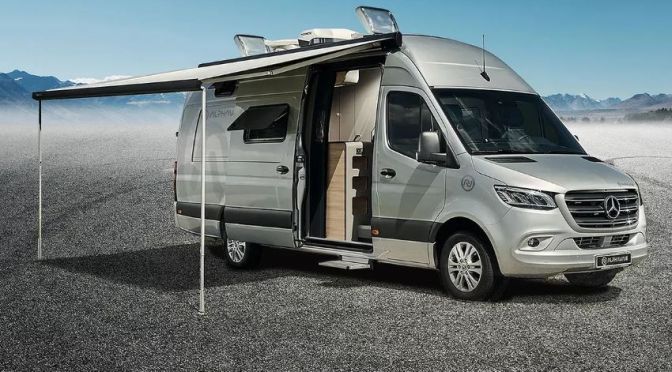
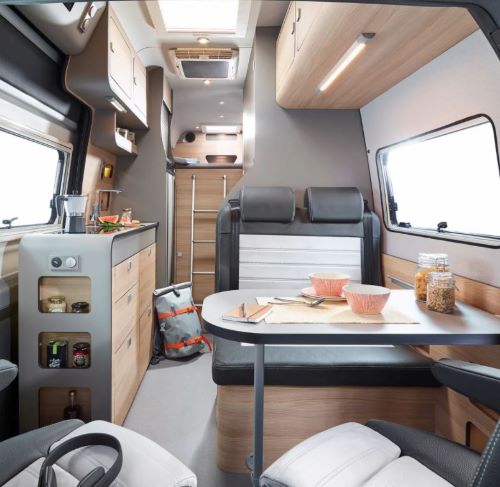
The Alphavan is built on Mercedes’ largest Sprinter, the 736-cm (290-in)-long extra-long-wheelbase variant with super-high (299-cm+) roof. For comparison, that van is nearly 1.5 m (5 ft) longer than the Sprinter 144 that underpins notable campers like the Winnebago Revel and Westfalia James Cook.
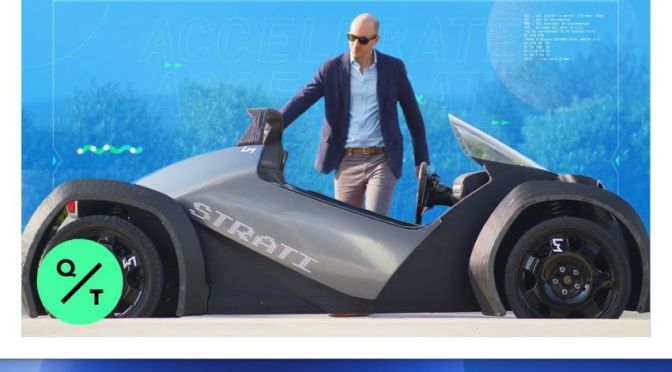
When 3D printing first appeared, it may have seemed like a fad–something to keep garage hobbyists busy. But over the past few years, it’s become a mainstream manufacturing process. Now, an independent automaker called Local Motors is applying the technology to cars, using 3D printing to make the chassis of its autonomous, electric vehicles at a small factory in Knoxville, Tennessee.

As many as 400,000 Americans die each year because of medical errors, but many of these deaths could be prevented by using electronic sensors and artificial intelligence to help medical professionals monitor and treat vulnerable patients in ways that improve outcomes while respecting privacy.
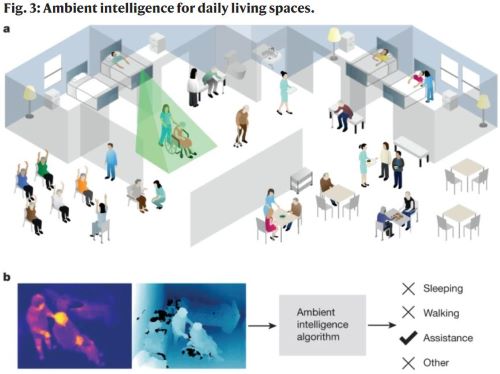
Haque, who compiled the 170 scientific papers cited in the Nature article, said the field is based largely on the convergence of two technological trends: the availability of infrared sensors that are inexpensive enough to build into high-risk care-giving environments, and the rise of machine learning systems as a way to use sensor input to train specialized AI applications in health care.

These alert systems are being tested to see if they can reduce the number of ICU patients who get nosocomial infections — potentially deadly illnesses contracted by patients due to failure of other people in the hospital to fully adhere to infection prevention protocols.
Constant monitoring by ambient intelligence systems in a home environment could also be used to detect clues of serious illness or potential accidents, and alert caregivers to make timely interventions. For instance, when frail seniors start moving more slowly or stop eating regularly, such behaviors can presage depression, a greater likelihood of a fall or the rapid onset of a dangerous health crisis. Researchers are developing activity recognition algorithms that can sift through infrared sensing data to detect changes in habitual behaviors, and help caregivers get a more holistic view of patient well-being.
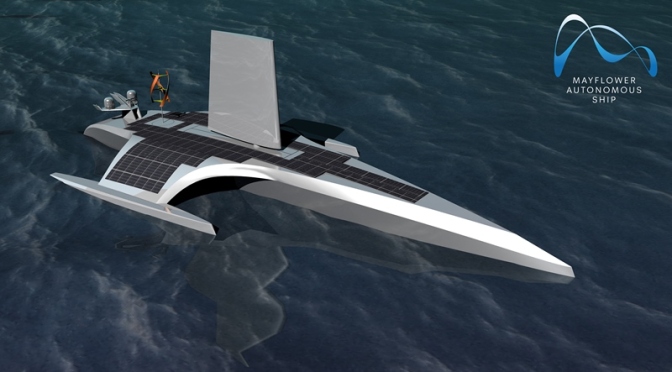
Powered by AI and the energy from the sun, the Mayflower Autonomous Ship will be able to spend long durations at sea collecting critical data about the ocean. Working in tandem with human oceanographers and other autonomous vessels, the new-generation Mayflower provides a flexible and cost-effective option for deepening understanding of critical issues such as global warming, ocean plastic pollution and marine mammal conservation. The Mayflower Autonomous Ship is led by marine research organisation Promare, supported by IBM and a global consortium of partners.
Apple reached a staggering $2 trillion market valuation in August, despite years of doubt from critics over whether the tech giant could continue to succeed after the death of Steve Jobs. Here’s a look at Apple’s rise to the very top.
Illustration: Jacob Reynolds/WSJ
The tech battle between the U.S. and China has battered TikTok and Huawei and startled American companies that produce and sell in China. WSJ explains how Beijing is pouring money into high-tech chips as it wants to become self-sufficient.
Video/Illustration: George Downs/The Wall Street Journal
The coronavirus pandemic led to shortages in the blood supply across the U.S. Scientists around the world are working on a potential solution. The Future of Everything looks at the process of making artificial blood.
Illustration: Timothy Wong
Enjoy a luxurious mobile living experience with all the comforts of home. The 2021 Living Vehicle combines beautiful aesthetics with the functionality of a modern home.
Excellence in design is achieved when there is nothing left to take away. Clean lines, European fixtures and marine grade influences elevate Living Vehicle to a stunning yet functional work of art.
Go where you want and do what you want. Living Vehicle is engineered to withstand the demands of even the most extreme outdoor adventures. Four-season capabilities, off-road running gear, and storage for all your toys make sure fun has no limits.
As many schools around the country start the year virtually, residents in rural communities like those in West Virginia are asking why they don’t have reliable Internet service. The recent bankruptcy of Frontier Communications provides insight into how U.S. broadband policies have fallen short for many Americans.
Photo Illustration: Carlos Waters/ Video: Jake Nicol/WSJ









 Boomers Daily