The Globalist Podcast (September 15, 2023) – Are American voters buying “Bidenomics”? We unpack Joe Biden’s latest effort to fine-tune his economic agenda.
Plus: the US plans to withhold millions in military aid to Egypt, a lookahead to London Fashion Week and the latest art news.
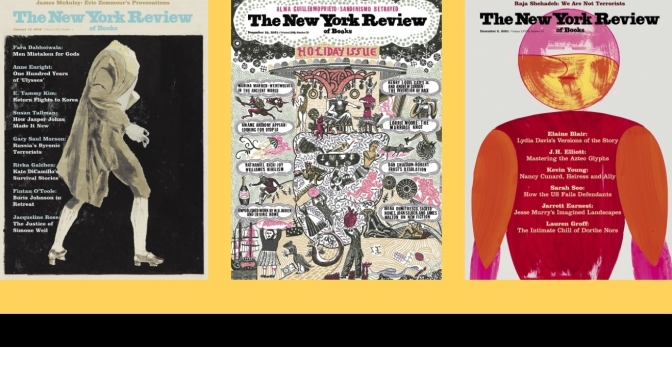
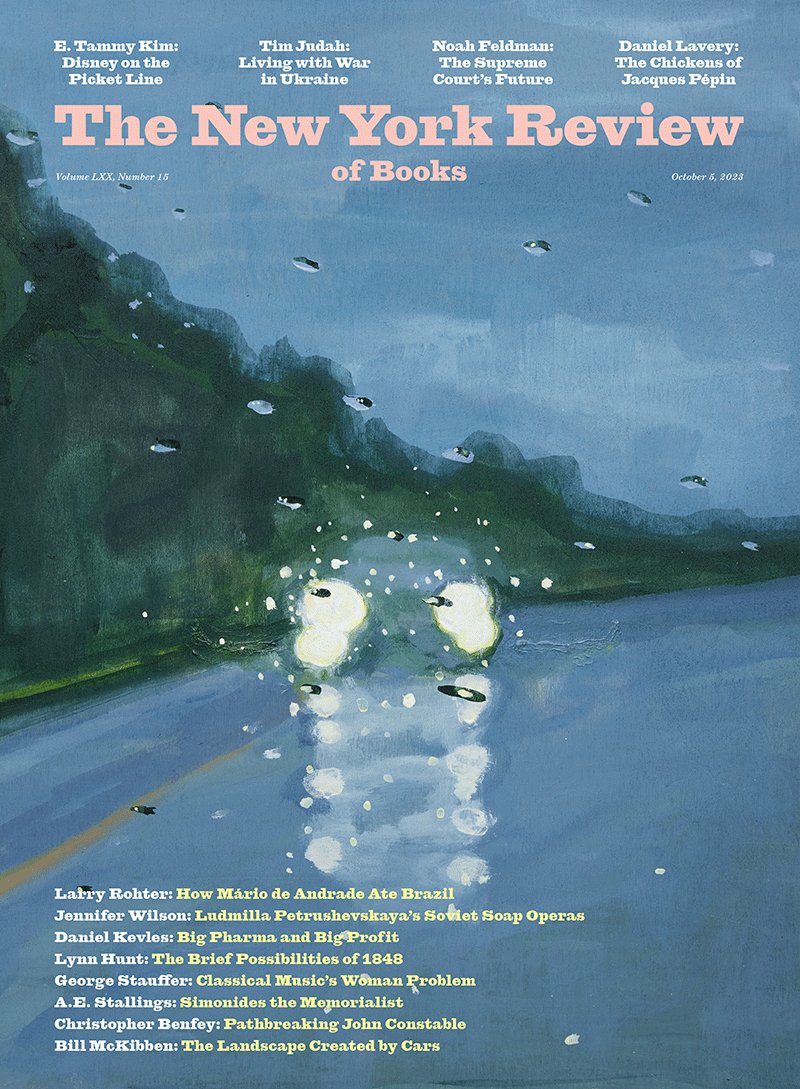
The New York Review of Books (October 5, 2023) – The new issue features Jennifer Wilson on Ludmilla Petrushevskaya’s unsettlingly funny tales of domestic un-bliss, Tim Judah on the new normal in Ukraine, Daniel M. Lavery on Jacques Pépin, E. Tammy Kim on the 1941 Disney animators’ strike, Christopher Benfey on John Constable, Bill McKibben on a planet smothered in asphalt, Lynn Hunt on the revolutions of 1848, Noah Feldman on the Supreme Court’s conservative bloc, A.E. Stallings on Simonides, poems by Devin Johnston and Claire DeVoogd, and much more.
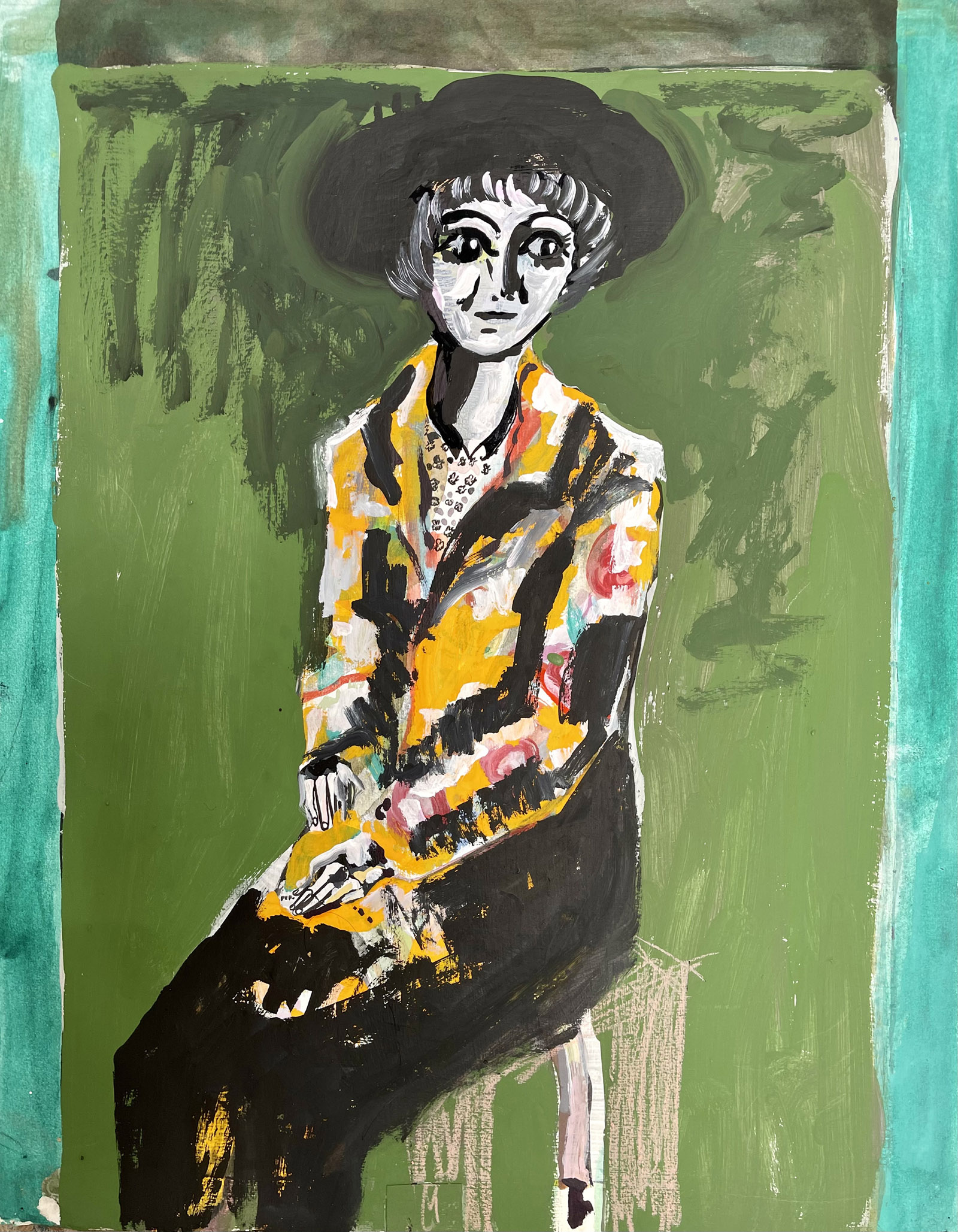
Some months ago I was having dinner with a writer from Moscow. I told him I was thinking of reviewing a new translation of Ludmilla Petrushevskaya’s Kidnapped, a Bollywood-inspired novella that pays homage to the Soviets’ love of Indian cinema. “Don’t do it,” he—a friend of hers—warned me. “If she doesn’t like what you write, she will turn you into a character in one of her stories—the stupid girl in New York who doesn’t know anything.” Being a longtime admirer of Petrushevskaya, I wasn’t too worried: realism is not her thing.
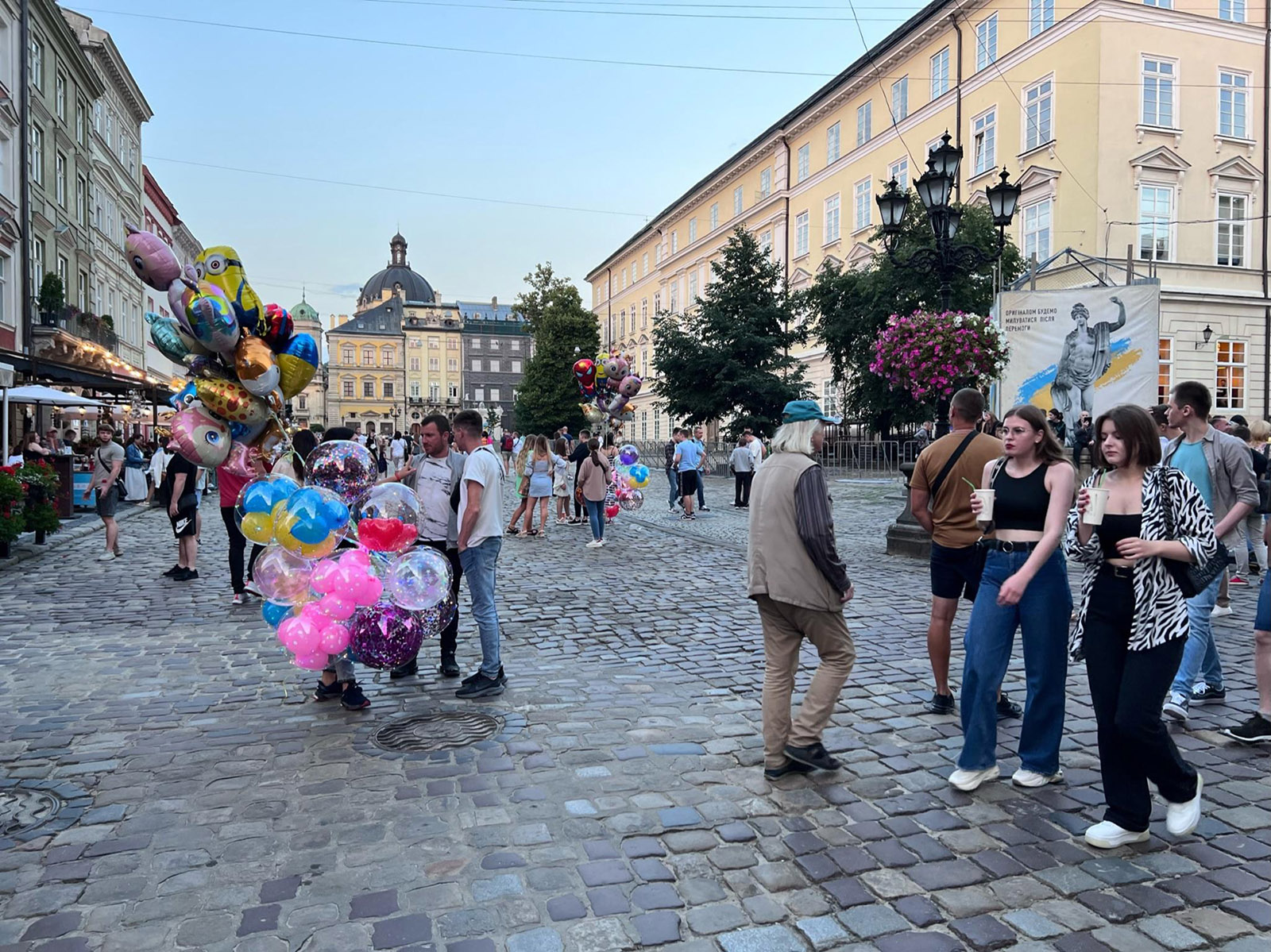
On August 8 I went to the Jellyfish Museum in Kyiv. During my previous visits to the city, it had been closed because of the war. Now it has reopened. In the gloom the fantastical creatures drifted about in their tanks while couples, friends, and families drifted about happily looking at them. In Kharkiv, in eastern Ukraine close to the Russian border, the Half an Hour café, where I wrote for a couple of days before Russia launched its full-scale invasion on February 24, 2022, has also just reopened.
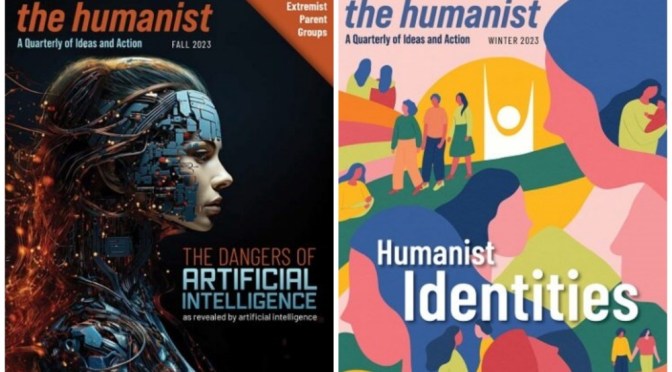
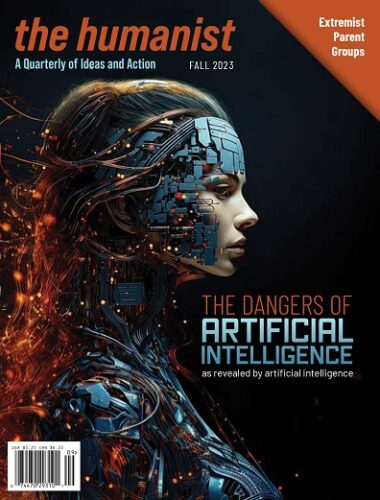
(September 14, 2023) – The new issue features OpenAI’s now famous ChatGPT bot was used by the Humanist to generate this article as an experiment to discover what today’s AI knows and will tell about the dangers posed by AI technology.
The Dangers of Artificial Intelligence
From Misinformation to Autonomous Weapons
IN RECENT YEARS, the rapid advancements in artificial intelligence have brought forth a myriad of benefits and possibilities. Be it healthcare or transportation, AI has shown its potential to revolutionize industries and improve the quality of human life. However, this transformative power comes hand in hand with a range of dangers that must be understood and addressed. This article delves into both the narrower personal risks and the broader socio-political concerns associated with AI.
Artificial Intelligence Unveiled: Navigating the Hazards in Our Everyday Lives
Imagine a world where your conversations with AI-powered machines could lead you astray, your job might vanish overnight, and your personal data might end up in the wrong hands. Welcome to the realm of artificial intelligence, a place where the marvels of technology coexist with a web of dangers that can reshape our lives in unexpected ways. There are personal concerns that ordinary people face as they navigate this AI-infused landscape.
The Globalist Podcast (September 14, 2023) – Humanitarian efforts ramp up as the death toll from flooding in Libya rises.
Plus: a look at China’s ‘interconnected living’ plan for Taiwan, Brazil begins the first trials of pro-Bolsonaro rioters who stormed the country’s centres of power in January and a flick through today’s papers.
Guernica is a digital magazine with a global outlook, exploring connections between ideas, ideals, communities, and individual lives. It rejects binary thinking and conventional wisdom, investing instead in the power of counter-narratives, especially those driven by lived experience. Across fiction, poetry, essays, reportage, criticism, and art, Guernica is a home for established and emerging writers, in conversation with each other. Guernica is committed to global literature — highlighting work from independent presses across the Global South and translating work from every continent into English, and from English into global languages. Going into its twentieth year, Guernica remains a trusted home for incisive, urgent writing and singular perspectives on critical issues of the day.
Perennially curious, eager to reckon with the world head-on, Guernica draws readers into uncharted conversations and traces the complex ligaments connecting culture, politics, art, and ecology. Over twenty years, Guernica has built an impressive record as a place of first publication for important writers and thinkers. Guernica’s ability to deepen our sense of wonder, of responsibility, and of connection is rooted in a core conviction that we must hear from diverse voices and diverse places.
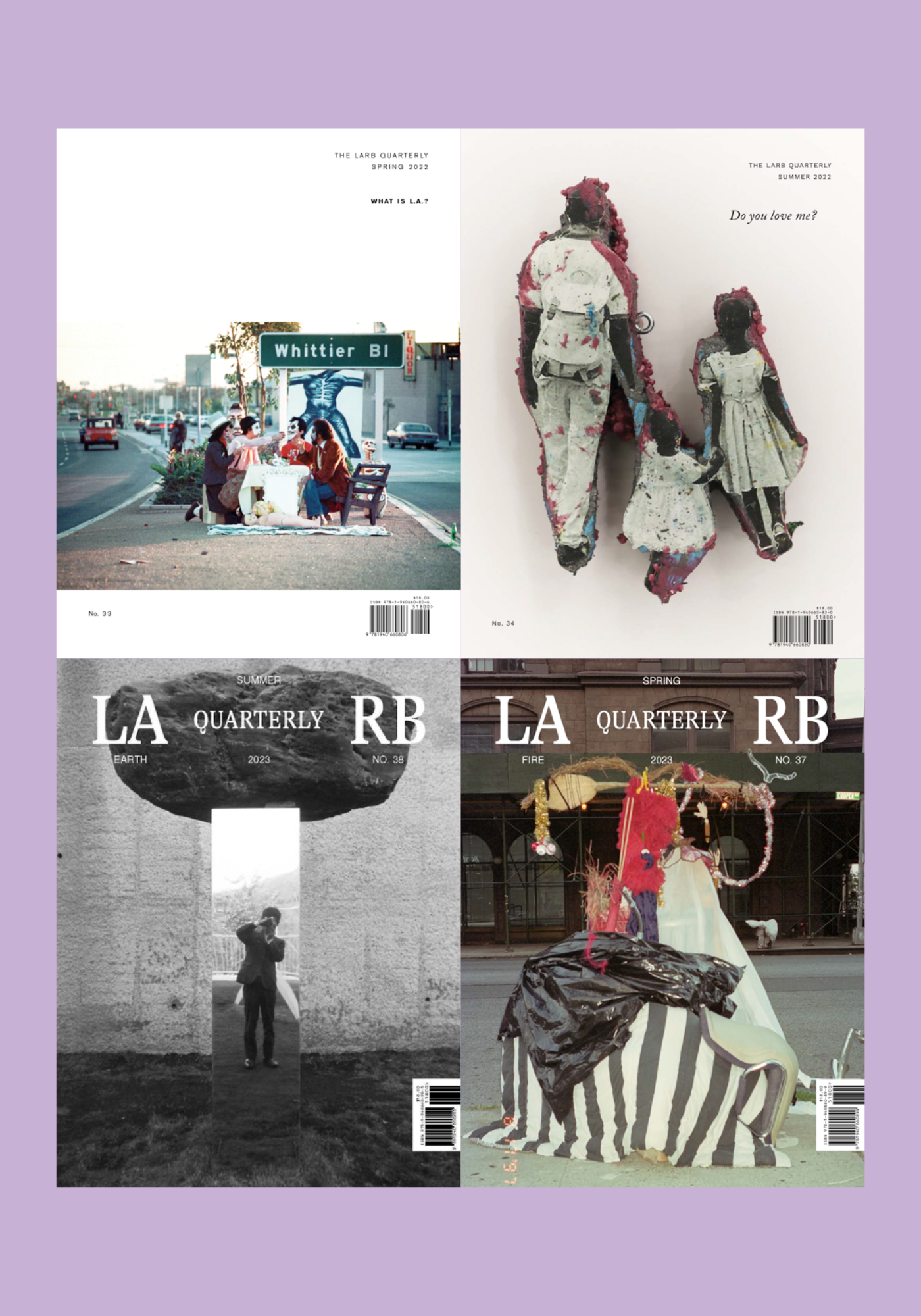
Los Angeles Review of Books
Drawing on literary tradition—and discarding it when necessary—Los Angeles Review of Books dwells in contradiction: the tension between depth and breadth, filth and glamor, destruction and creation, dream and nightmare, that L.A. lives and breathes. LARB launched in 2011 in part as a response to the disappearance of the newspaper book review supplement, and with it, the art of lively, intelligent, long-form writing on recent publications in every genre. LARB has since become a polyvocal cultural force reinventing book criticism for the internet age. It publishes new reviews, essays, and interviews online daily, as well as a print journal, LARB Quarterly, and offers events and programs that connect writers and artists to readers both in Los Angeles and across the globe.
A pillar of West Coast literary culture with national impact, Los Angeles Review of Books astounds with its scope. Its essays, reviews, and interviews are imbued with the irresistible appeal of fresh ideas and the rigor of academic inquiry. As an organization it creates and renews vital space for connection, especially through its innovative publishing workshop. New and accomplished international authors and translators cascade out of LARB, and its coverage of contemporary literature is steeped in style and substance. The commitment to history, critical thought, imagination, and to its eponymous city runs deep.
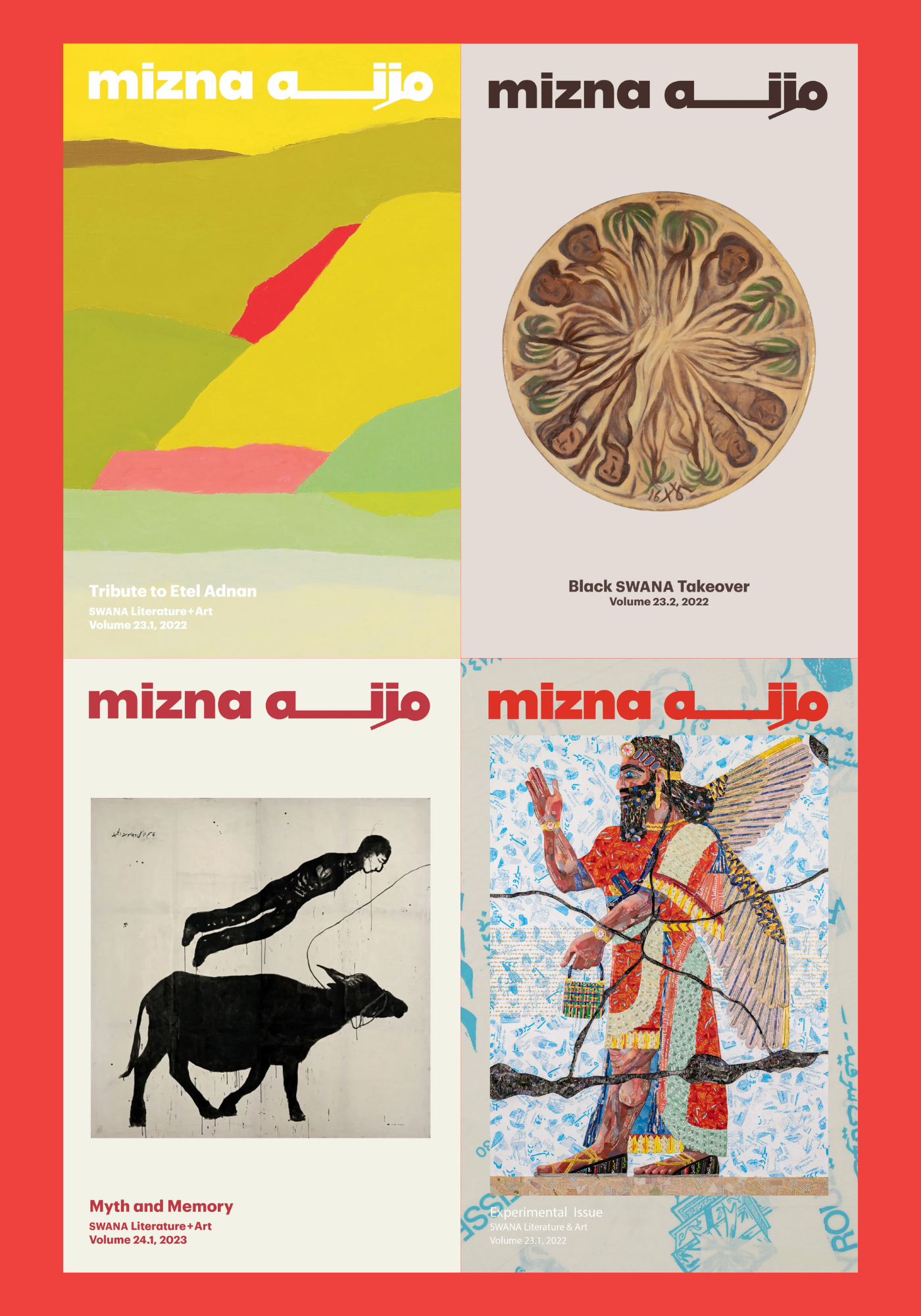
Mizna
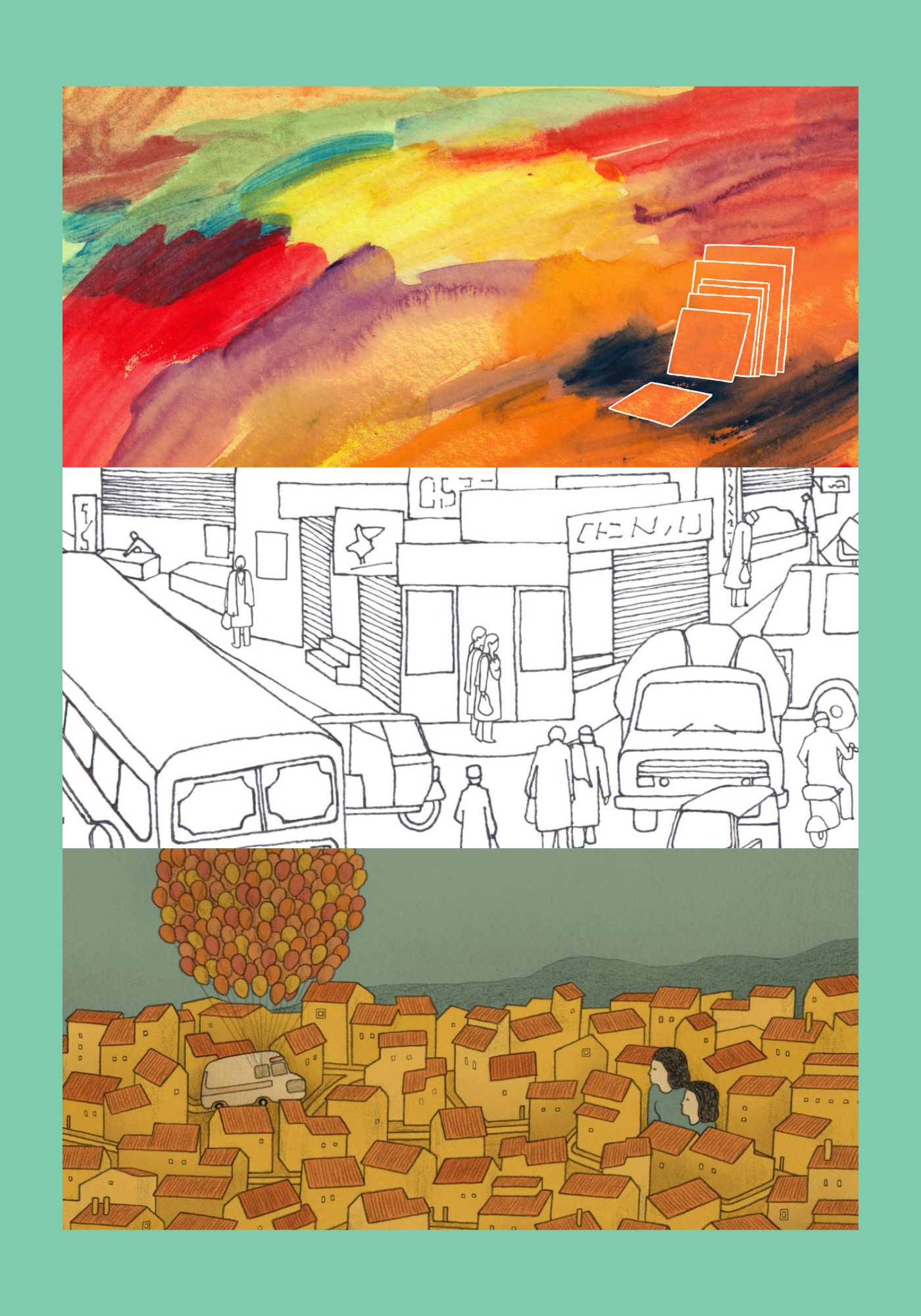
Mizna reflects the literatures of Southwest Asian and North African (SWANA) communities and fosters the exchange and examination of ideas, allowing readers and audiences to engage with SWANA writers and artists on their own terms. It has been a critical platform for contemporary literature, film, art, and cultural production since 1999, publishing a biannual print journal of poetry, fiction, essays, comix, and visual art in addition to producing the Twin Cities Arab Film Festival, the largest and longest running Arab film fest in the Midwest. Recognizing that open cultural spaces are not a luxury but a necessity, Mizna also hosts classes, readings, and community events that offer points of connection between emerging and established SWANA artists and their local Twin Cities community and beyond.
Mizna is an absolute gem of a journal: tightly edited, gorgeously curated, and visually striking. Care and craft float off its pages of beautifully laid-out poetry and lovingly printed images. Mizna is both a grassroots community organization and an esteemed international artistic platform, furthering important intergenerational dialogue within the Southwest Asian and North African (SWANA) diaspora and showcasing thrilling new literature.
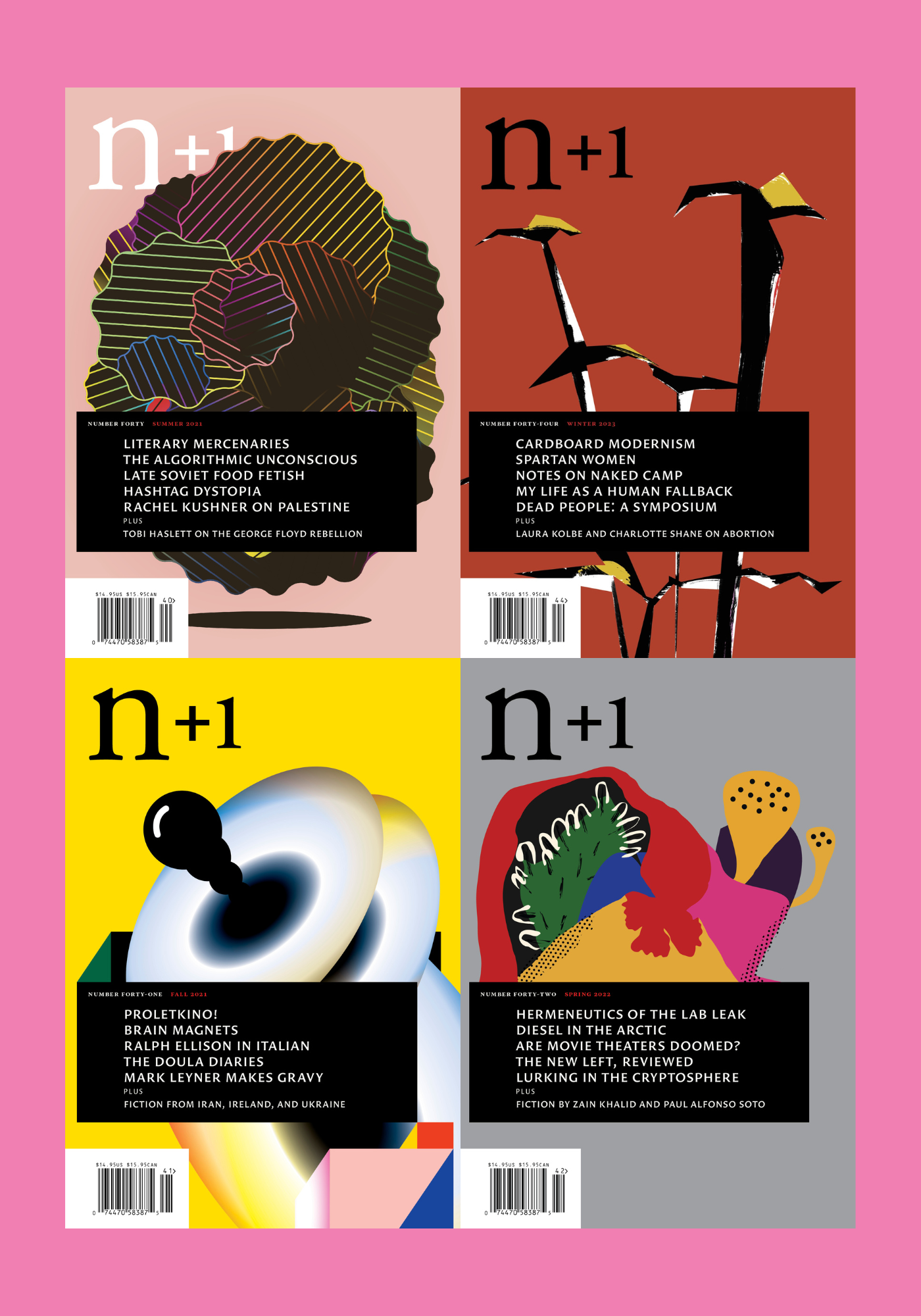
n+1
n+1 encourages writers, new and established, to take themselves as seriously as possible, to write with as much energy and daring as possible, and to connect their own deepest concerns with the broader social and political environment—that is, to write, while it happens, a history of the present day. n+1 was founded in New York City, in 2004, by six young writers and editors who wanted to make a magazine that didn’t shy away from difficult and ambitious writing and would take literature, culture, and politics as aspects of the same project. In addition to the triannual print and digital magazine, n+1 also publishes books that expand on the interests of the magazine and programs readings, panels, and events in New York City and across the US.
A distinctive, erudite editorial project overflowing with rigor and generosity, n+1 is both magnet and catapult for intellectually fearless writers. Its uniquely attentive and structural approach to editing has helped cement a reputation as a major site of discovery for new talent, and it indisputably lives on the cutting edge of literary and political discourse. n+1’s ethos is deep investment in writers and their growth. A must-read for critical engagement with pressing issues of the day.
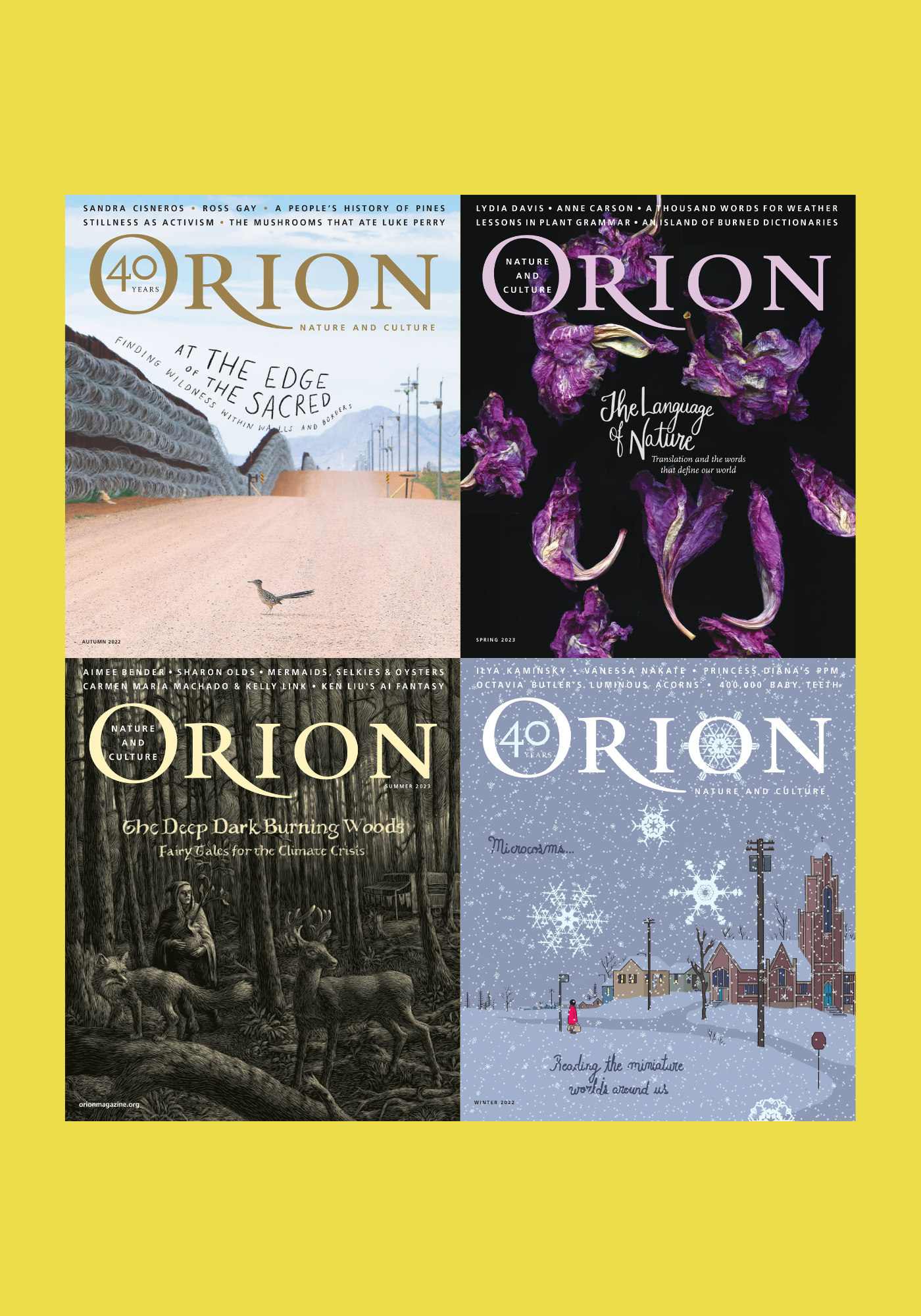
Orion
Orion invites readers into a community of caring for the planet. Through writing and art that explore the connection between nature and culture, it inspires new thinking about how humanity might live on Earth justly, sustainably, and joyously. Founded in 1982, Orion has grown into a quarterly print magazine with in-depth features, poetry, photo essays, science reporting, profiles, book reviews, and interviews. Orion also publishes full-length books as well as original work on its website that probe humanity’s ethical obligation towards and connection to our planet and hosts workshops designed to help writers deepen their relationship with nature and place.
Orion sounds out the depth and breadth of the natural world and our human experiences in it, proving over and again how necessary a publication it is in this age of climate crisis. The magazine is the nucleus of something much larger: a network of readers and contributors bound by a desire to protect and marvel at natural beauty. Each themed issue, replete with illustrations that complement and elevate the text, is a printed object to cherish. To read Orion is to feel the planet as a living organism of which we are a part.
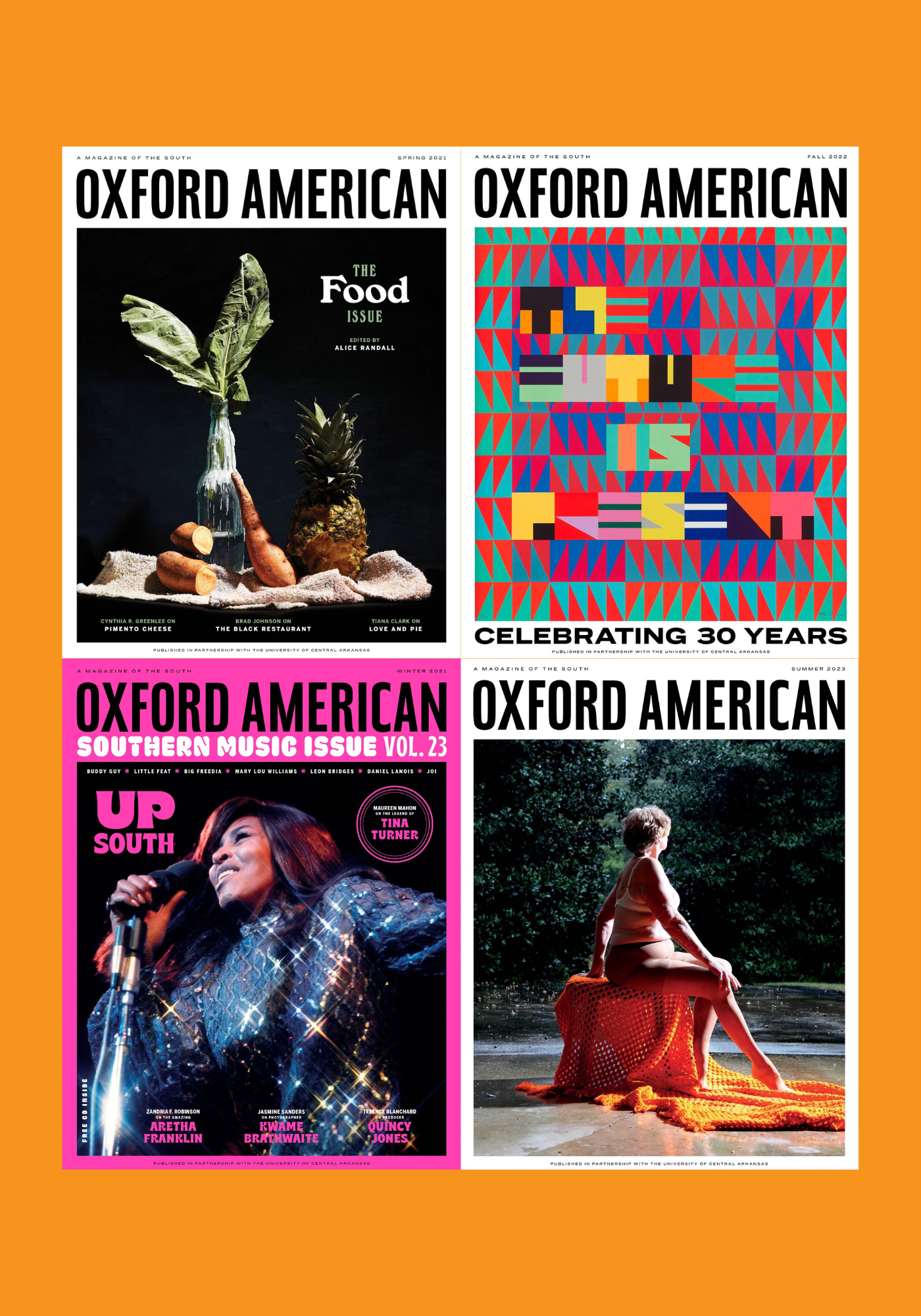
Oxford American
Dedicated to the complexity and vitality of the American South, Oxford American is a national magazine with a regional point of view. It began publishing in 1992 out of Oxford, Mississippi, and strives to reflect the multicultural tapestry of the region as it truly exists–to explore many Souths and trouble familiar, singular stereotypes. Oxford American publishes a wide array of literature written in diverse registers, including investigative reportage, memoir, cultural criticism, fiction, poetry, and book reviews, in addition to an iconic annual Southern music issue. Oxford American celebrates the South’s immense cultural impact on the nation–its foodways, literary innovation, fashion history, visual art, and music–and recognizes that as much as the South can be found in the world, one can find the world in the South.
Oxford American is our most adventurous and authoritative window on the South, pushing beyond headlines to deliver a textured, ever-evolving portrait of its cultural wealth. Drawn in by eye-catching art direction and dazzling editorial letters, readers stay to savor the unique weave of the journalistic with habit-forming fiction and vivid travel writing. A generous intellectual hospitality serves the magazine’s Southern neighbors and a broad national readership all at once. Oxford American is a spring of innovation, honoring tradition while forging something new.
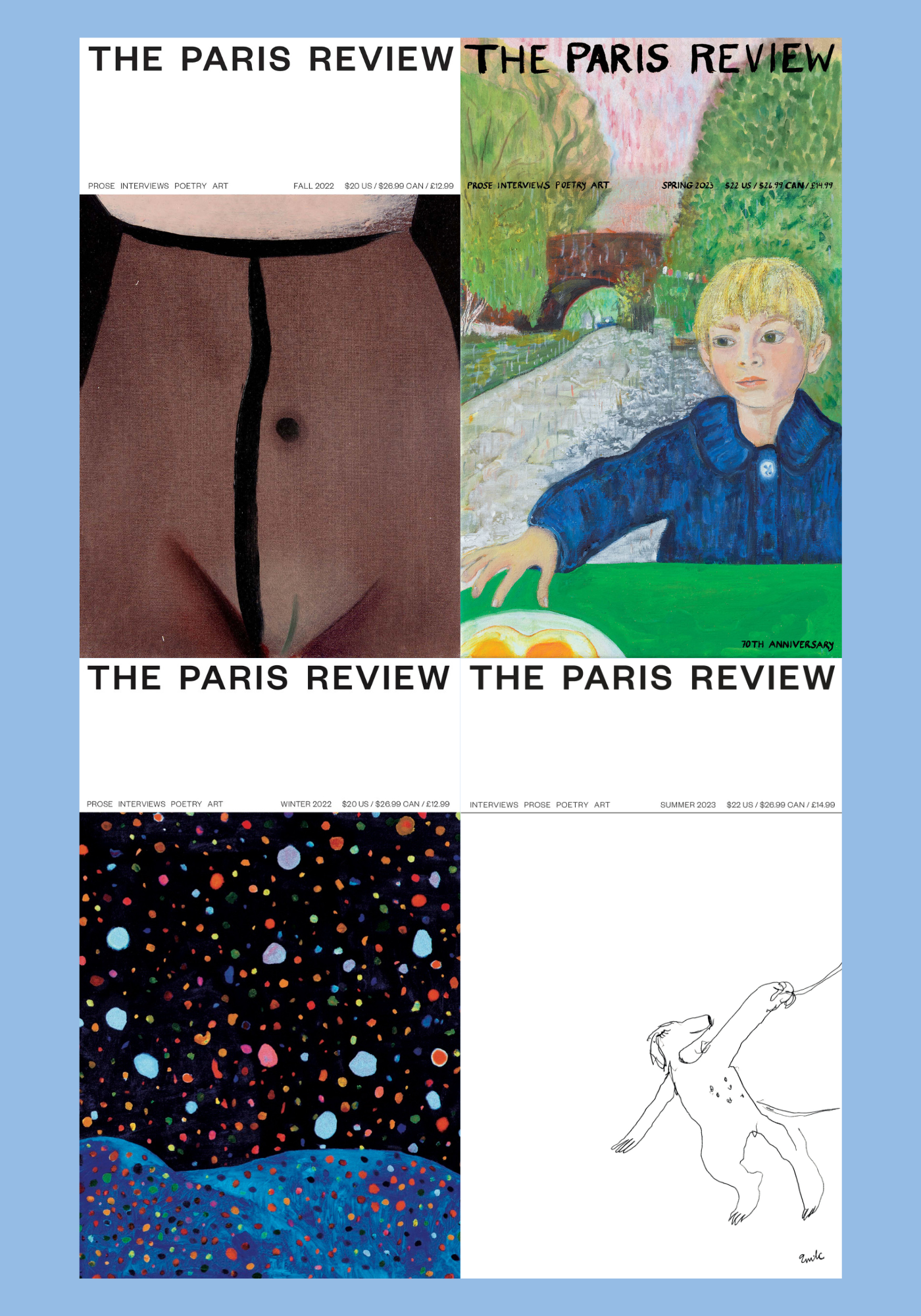
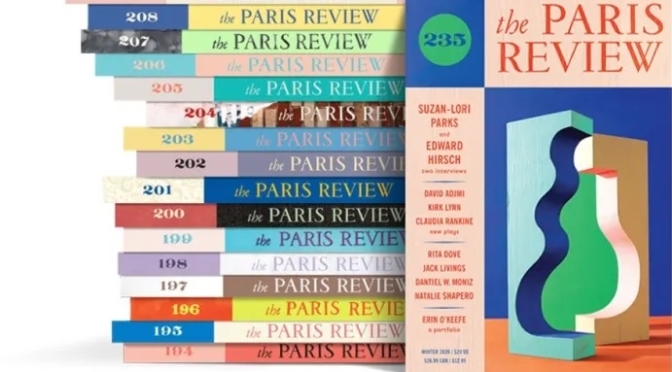
The Paris Review
The Paris Review showcases a lively mix of exceptional poetry, fiction, and nonfiction and delights in celebrating writers at all career stages. Its “Writers at Work” series, hailed by the New York Times as “the most remarkable interviewing project we possess,” offers rich psychological portraits and a trove of practical advice for aspiring writers, and has been a hallmark of the magazine since its inception in 1953. With a quarterly print journal, a website that publishes daily, a digital archive, and a podcast featuring a blend of classic stories and poems, vintage interview recordings, and new work, The Paris Review favors daring, original writing and seeks to be the best kind of party: open, inclusive, and excitingly vibrant.
For seventy years and counting, The Paris Review has remained wonderfully distinctive and sophisticated, never short on chic art direction, impeccable curation, or international flair. The interviews make you ache to have been in the room for the conversation. Readers will find exceptional work by feted writers in every issue, but The Paris Review does not rest on its legacy: it deftly employs its footing as the standard bearer for American literary magazines to uplift talent that hasn’t yet gotten its due.
The Globalist Podcast (September 13, 2023) – The US House of Representatives opens an impeachment inquiry into president Biden. Our Washington correspondent Christopher Cermak has the details.
Also in the programme: why Germany is buying more oil from India, president Macron’s plan to transform what critics call “ugly France” and how a severe lemon shortage is affecting Peruvians.
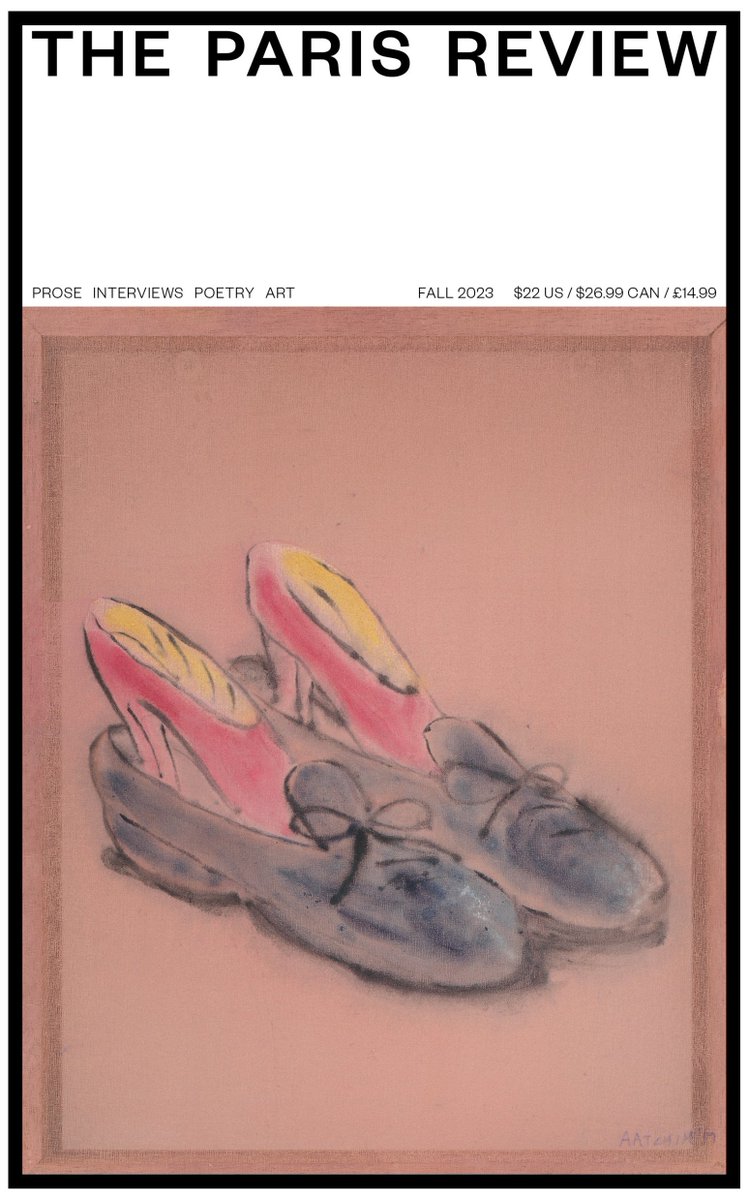
Paris Review Fall 2023 — The new issue features Robert Glück on the Art of Fiction: “When people would ask me—and sometimes they did—to write about them, I’d reply, ‘First, break my heart.’”; Lynn Nottage on the Art of Theater: “I embrace the fact that I write plays that are popular. Audiences make their own decisions.”
The Globalist Podcast (September 12, 2023) – Kim Jong-un reportedly arrives in eastern Russia for arms talks with Vladimir Putin, as Moscow seeks to replenish its dwindling stockpile. Who has the upper hand and how will the meeting be portrayed for home audiences?
Plus: Israel’s supreme court prepares to rule on its own future and we discuss the British parliamentary researcher accused of spying for China.
The Globalist Podcast (September 10, 2023) – We look back at the G20 summit in India, which concluded yesterday, and discuss its key points.
Plus: the start of joint military exercises between Armenia and the US, a flick through the day’s papers and a round-up of stories from the Asia-Pacific region.
September 10, 2023– Emma Nelson, Isabel Hilton and David Bodanis on the weekend’s biggest talking points. We also speak to Monocle’s editorial director Tyler Brûlé in Lisbon and our Istanbul correspondent, Hannah Lucinda Smith.
News, Views and Reviews For The Intellectually Curious






 Boomers Daily