


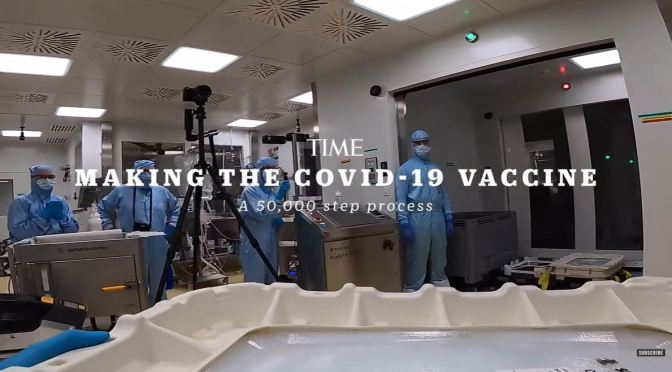
Exclusive: Inside the facilities making the world’s most prevalent COVID-19 vaccine https://ti.me/3grX0v9
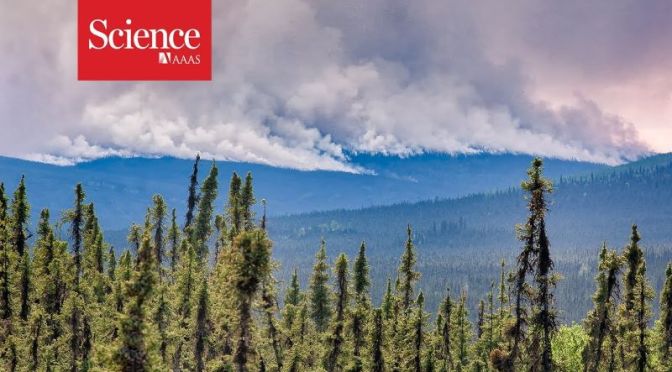
It’s no secret that warming temperatures are transforming landscapes in extreme northern regions. In Alaska, where wildfires have burned through many old-growth spruce forests in the past half decade, deciduous trees—such as aspen and birch—are starting to take over. But little is known about the impact these changes will have on how much carbon the forests release and store.
To find out, researchers trudged through the Alaskan taiga, seeking out wildfire sites where spruce once dominated. They mined these sites for information on carbon and nitrogen stores and forest turnover over time. What they found surprised them: In the long run, their estimates suggest that intensifying heat and more wildfires may lead to more carbon sequestration in Alaskan forests, they report today in Science. It’s impossible to know for sure that the flames will subside, but it’s a bit of good news as the fires burn out the old growth and bring in the new.
Read the research: https://scim.ag/3soUc4e
Host Sarah Crespi talks with Staff Writer Adrian Cho about a new measurement of the magnetism of the muon—an unstable cousin of the electron. This latest measurement and an earlier one both differ from predictions based on the standard model of particle physics. The increased certainty that there is a muon magnetism mismatch could be a field day for theoretical physicists looking to add new particles or forces to the standard model.
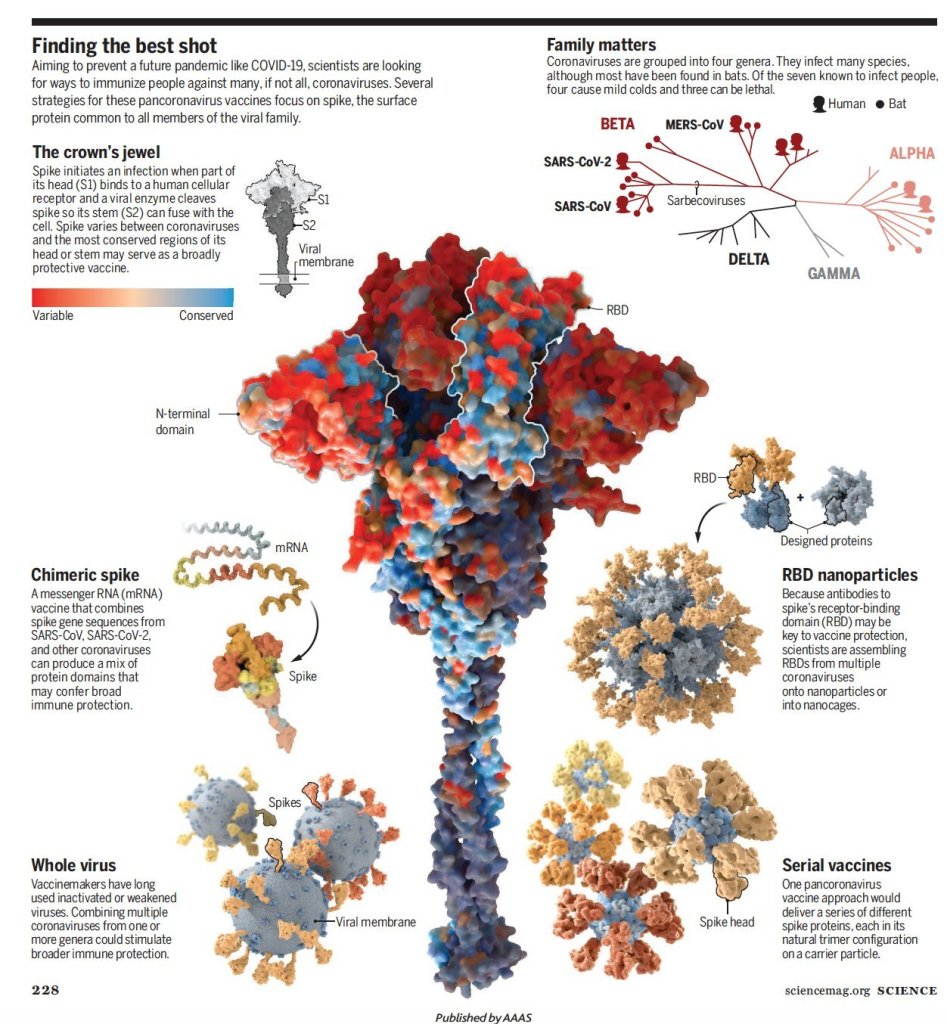
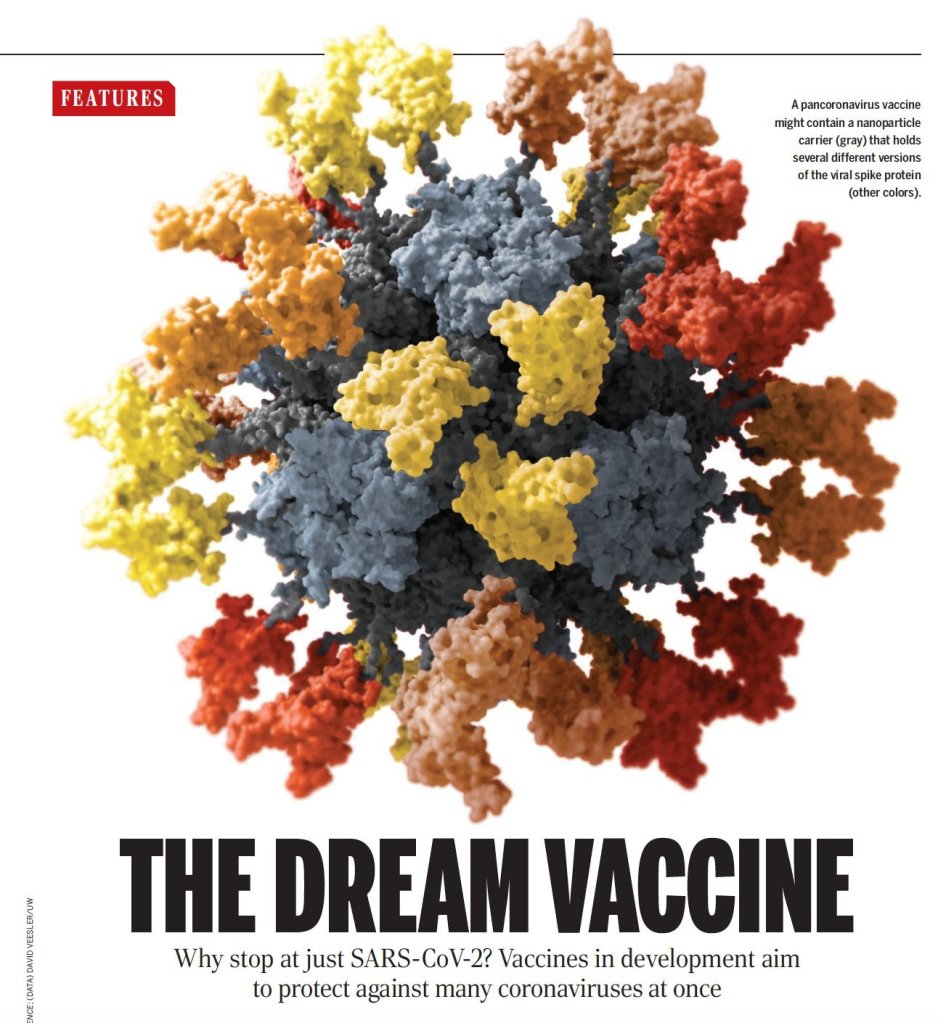
Also on this week’s show, Charles Marshall, director of the University of California Museum of Paleontology and professor of integrative biology, joins Sarah to talk about his team’s calculation for the total number of Tyrannosaurus rex that ever lived. In a sponsored segment from the Science/AAAS Custom Publishing Office, Sean Sanders interviews Imre Berger, professor of biochemistry at the University of Bristol, about his Science paper on finding a druggable pocket on the spike protein of SARS-CoV-2 and how the work was accelerated by intensive cloud computing. This segment is sponsored by Oracle for Research.
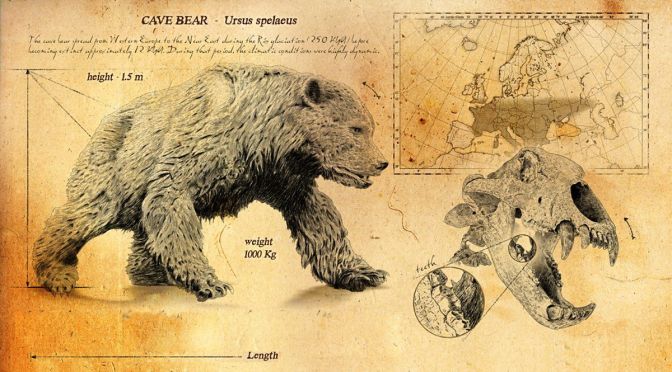
Bears are able to live and sometimes thrive from the North Pole to the tropical rainforests around the equator and although they are largely confined to the forests nowadays, in the not too distant past they dominated grassy plains as well. And in overcoming the challenges of each new habitat they migrated into presented, they have evolved to drastically change diets. Bears evolved from small carnivorous animals and yet have become omnivorous, insect eaters, or have a diet occupied entirely of plant foods. So how have bears been able to evolve to eat almost any food in a very small amount of time.
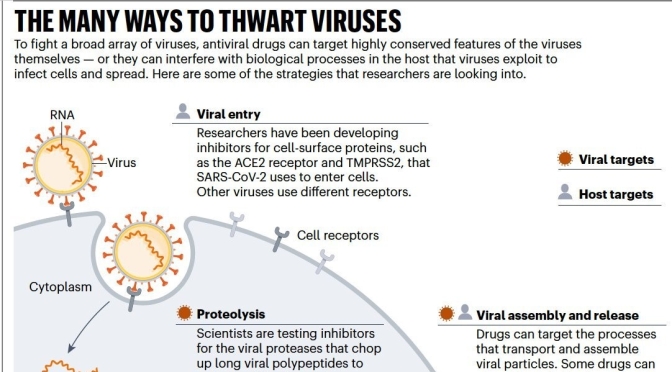
The risk of dying from COVID is much higher than getting a blood clot from a vaccine. But even more concerning is a new report from Oxford University that shows catching the coronavirus puts you at even more risk of a deadly blood clot. Each delay puts more lives at risk, as the coronavirus spreads. It’s a balancing act between speed and caution in the fight against COVID-19.
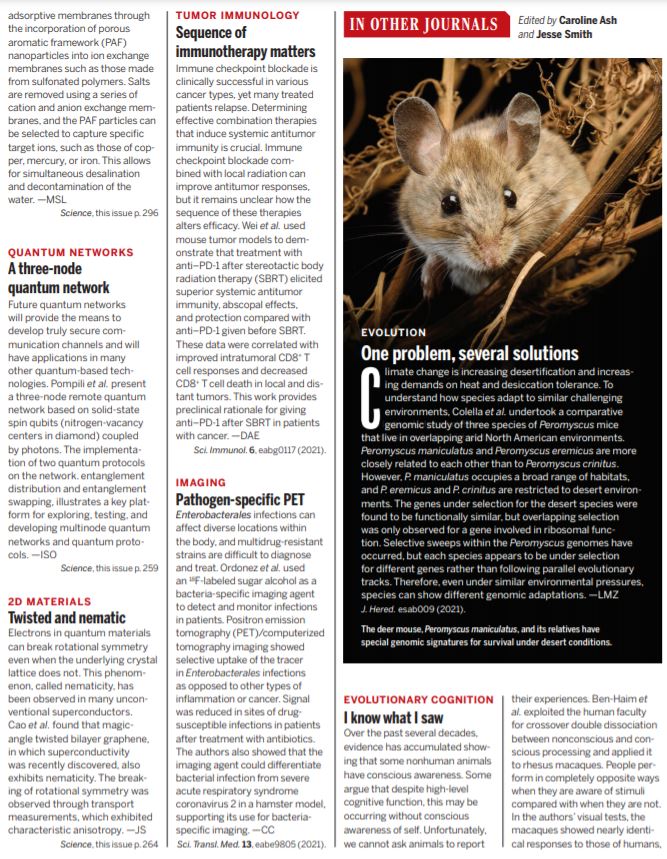
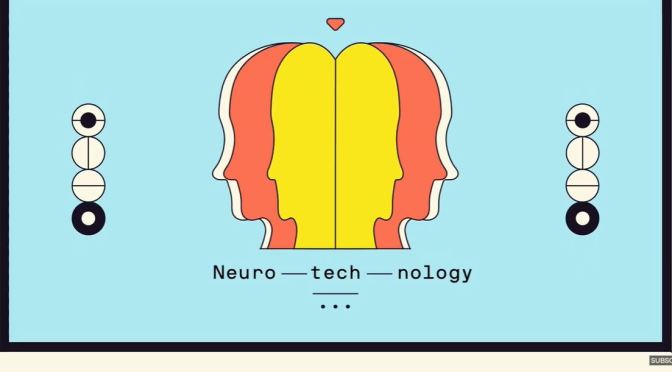
Scientists have discovered how to put an artificial image inside a mouse’s brain so that it behaves as if it actually sees it. This will be possible to do with humans in the future — potentially shaping our thoughts and behaviors.





 Boomers Daily