

🧠 The idea of using vaccines to protect against Alzheimer’s in its earliest stages has gained increasing traction in recent months.
— The Telegraph (@Telegraph) November 22, 2021
As the first human trial begins, David Cox meets the scientists who say prevention, not cure, may be the answer👇https://t.co/j1LojM3fP4
Category Archives: Science

Science: Wildfire Smoke Threatens Ozone Layer, Tick Bite mRNA Vaccines
Could wildfires be depleting the ozone all over again? Staff Writer Paul Voosen talks with host Sarah Crespi about the evidence from the Polarstern research ship for wildfire smoke lofting itself high into the stratosphere, and how it can affect the ozone layer once it gets there.
Next, we talk ticks—the ones that bite, take blood, and can leave you with a nasty infection. Andaleeb Sajid, a staff scientist at the National Cancer Institute, joins Sarah to talk about her Science Translational Medicine paper describing an mRNA vaccine intended to reduce the length of tick bites to before the pests can transmit diseases to a host.
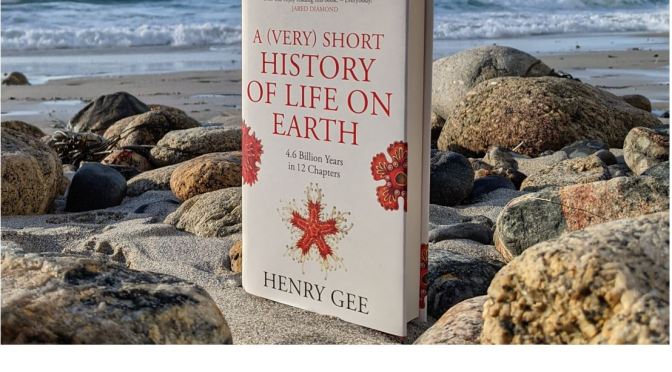
New Book Reviews: ‘A (Very) Short History Of Life On Earth’ By Henry Gee (2021)

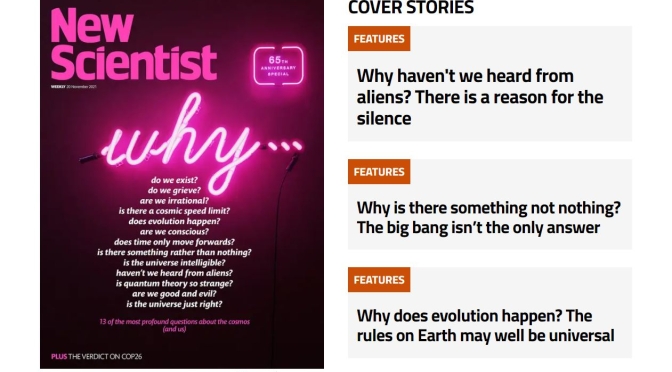
Previews: New Scientist Magazine – November 20

Foodscapes: Science Of The Global Food System
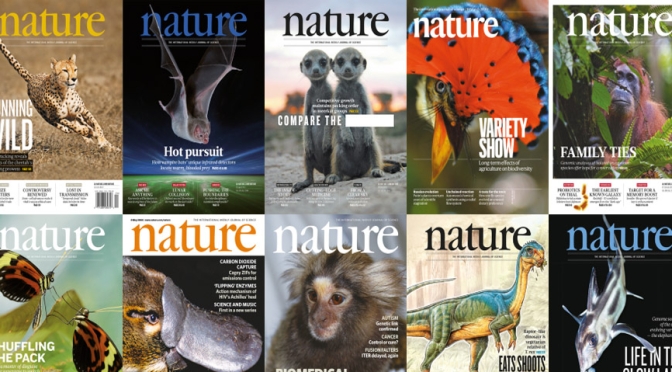
Front Covers: Nature Magazine – November 18

Science: Sea Squirts And Vertebrate Evolution, Iodine-Powered Satellites
Spineless sea squirts shed light on vertebrate evolution, and an iodine-fuelled engine powering a satellite in space.
In this episode:
00:45 A story of sea squirts, ancient vertebrates and missing genes
When a PhD student set out to study the developmental pathways of a strange sea creature, he hoped to shed light on the origins of vertebrate animals. Instead, researchers found themselves investigating a strange case of missing genes. We hear why gene loss could be a more significant factor in evolutionary processes than was previously thought.
Research article: Ferrández-Roldán et al.
08:17 Research Highlights
The unusual crystal that gives a beetle its glittering green sheen, and the genetics of a fish’s 200 year lifespan.
Research Highlight: Weird crystal makes beetle a living jewel
Research Highlight: Some of Earth’s longest-lived fish show how to reach extreme ages
10:43 An iodine-fuelled engine for satellites
In space, many satellites use xenon-fuelled ‘electric propulsion systems’ to maneuver. However, xenon is rare and requires high-pressure storage systems, so researchers have been working to develop alternative fuels. This week, a team publish details of the first in-space test of an iodine-powered electric propulsion system, which they say has many advantages over xenon systems.
Research article: Rafalskyi et al
16:37 Briefing Chat
We discuss some highlights from the Nature Briefing. This time, issues aboard the Hubble Space Telescope, and what the discovery of a theorised mineral reveals about processes deep within the Earth.
Wired: NASA Tries to Save Hubble, Again
Nature: Diamond delivers long-sought mineral from the deep Earth
Science: The James Webb Space Telescope Launches, Genes For Long Life Spans
The James Webb Space Telescope was first conceived in the late 1980s. Now, more than 30 years later, it’s finally set to launch in December.
After such a long a road, anticipation over what the telescope will contribute to astronomy is intense. Daniel Clery, a staff writer for Science, joins host Sarah Crespi to talk about what took so long and what we can expect after launch.
You might have heard that Greenland sharks may live up to 400 years. But did you know that some Pacific rockfish can live to be more than 100? That’s true, even though other rockfish species only live about 10 years. Why such a range in life span? Greg Owens, assistant professor of biology at the University of Victoria, discusses his work looking for genes linked with longer life spans.

 Boomers Daily