
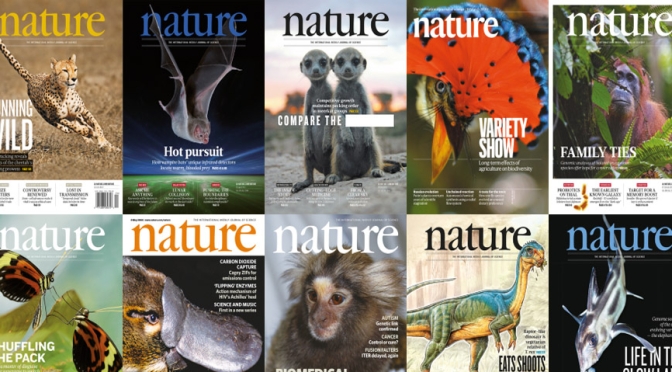
This week in Nature: Armed response – Remains of Chilean ankylosaur display unique tail weaponry. Browse the issue here: https://t.co/opl16hEaGN pic.twitter.com/moeoC2Srz9
— nature (@Nature) December 9, 2021
Category Archives: Science
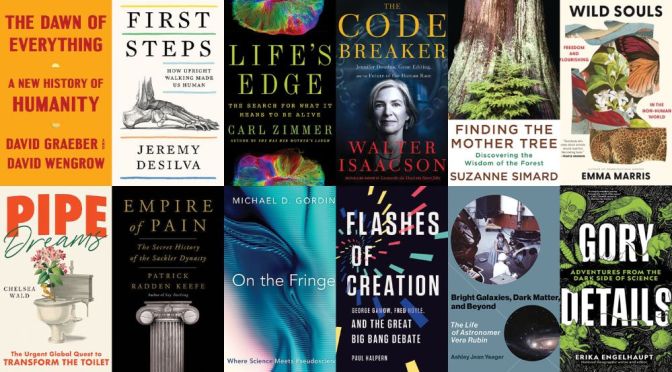
Book Reviews: The Best Science Books Of 2021
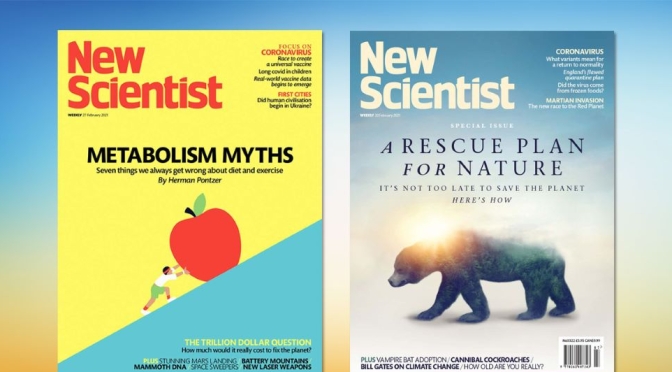
Previews: New Scientist Magazine – December 11

Science: How The Lack Of Sleep Makes You Hungrier
Did you know that not getting enough zzz’s can actually make you hungrier? According to sleep scientist Matt Walker, the relationship between what you eat and your sleep is a two-way street. Here’s why understanding it can help you improve your overall health.
Sleep — we spend one-third of our lives doing it, but what exactly do we get out of it? And how can we do it better? In this TED series, sleep scientist Matt Walker uncovers the facts and secrets behind our nightly slumber. (Made possible with the support of Oura) Check out more episodes on TED.com: https://go.ted.com/sleepingwithscience

Views: James Webb Space Telescope Set To Launch – Will Reveal First Galaxies
The James Webb Space Telescope, a collaboration between NASA, the European Space Agency and the Canadian Space Agency, is set to launch later this month. Scientists say its technology makes it 100 times more powerful than the Hubble and could give it the ability to see back to the first galaxies in the universe. Illustration: Adele Morgan/WSJ

Photography: Top Images From Nature Magazine
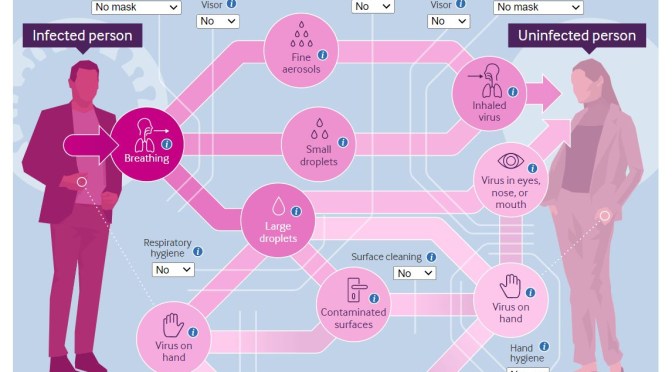
Covid-19: The Best Ways To Avoid Virus Transmission
Science: New Scientist Weekly Podcast – DEC 2
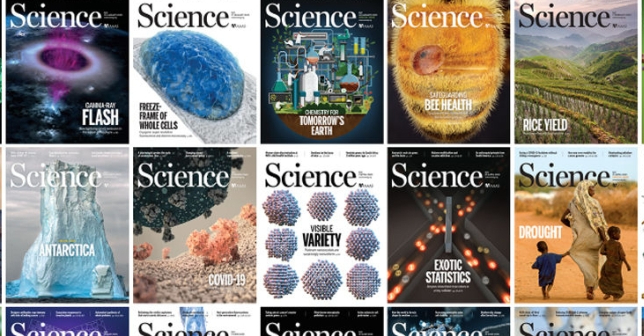
Front Covers: Science Magazine – December 3
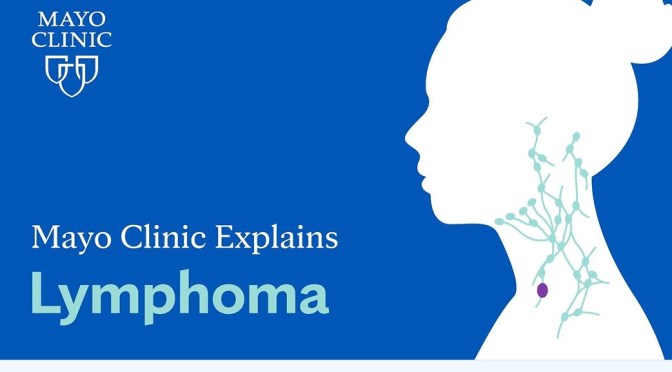
Medicine: The Mayo Clinic Explains Lymphoma (Video)
Learning about lymphoma can be intimidating. Let our experts walk you through the facts, the questions, and the answers to help you better understand this condition.
Video timeline: 0:24 What is Lymphoma? 1:20 Types of Lymphoma 2:04 Who gets Lymphoma? 2:48 Risk factors 3:30 Symptoms 4:10 How is Lymphoma diagnosed? 5:07 Treatment options 6:11 Coping methods/ What now? 7:09 Ending
For more reading visit: https://mayocl.in/3xThjs7
 Boomers Daily