
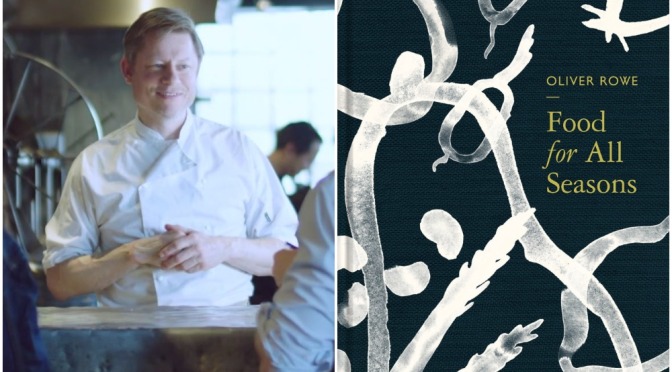
Directed by: Stephen Ashwell and Miriam van Ernst
Executive Producer: Adam Penny
Cinematography: Stephen Ashwell
Producer: Miriam van Ernst
In 2005, Connected Pictures made a ten-part documentary for the BBC about chef Oliver Rowe, setting up a restaurant in Kings Cross and sourcing all his food from within London. The series was a global success, showing around the world for many years after. Since then, the seasonal and local food landscape has exploded.
However, Oliver’s journey hasn’t been quite as smooth in 2018 he wrote a book called ‘A Food for All Seasons’ about his relationship with food.
Together with director Stephen Ashwell ,we made a film to talk about his journey to today and about the important role food has played throughout his life.
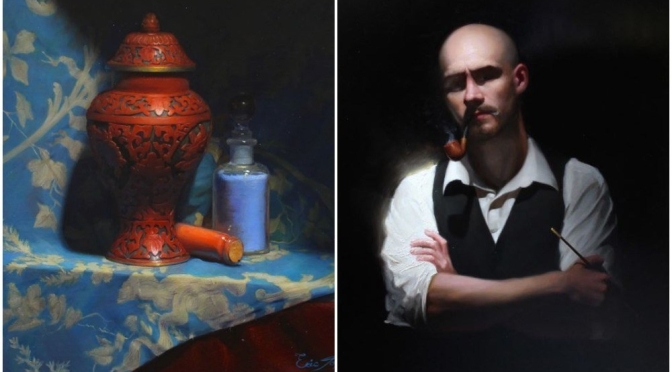
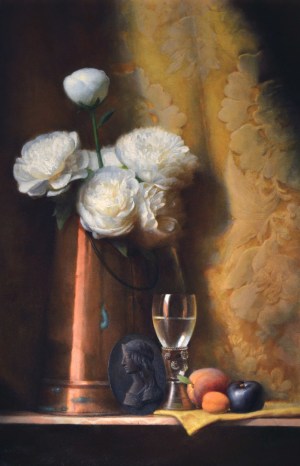 As a complete painter he aspires to reach a high level of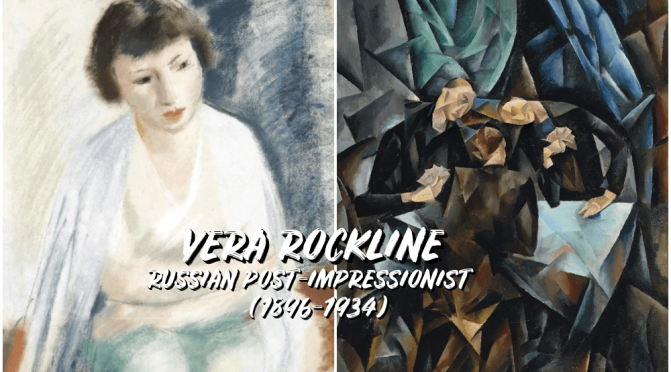
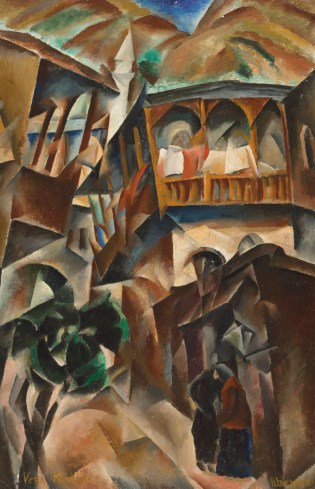
 When she died in April 1934, aged just 37, Vera Rockline was at the peak of her fame. The Russian-born emigrée had made quite a name for herself after moving to Paris in 1921. Obituaries spoke of an ‘incomparable loss’ and a ‘prodigious talent’.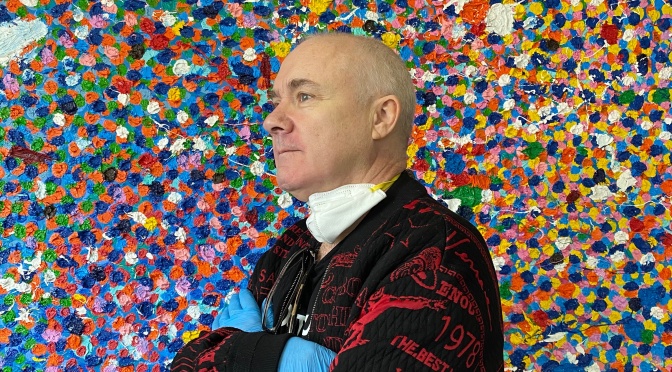
 Damien Steven Hirst (born 1965) is an English artist, entrepreneur, and art collector. He is one of the Young British Artists, who dominated the art scene in the UK during the 1990s. He is reportedly the United Kingdom’s richest living artist, with his wealth valued at £215m in the 2010 Sunday Times Rich List.

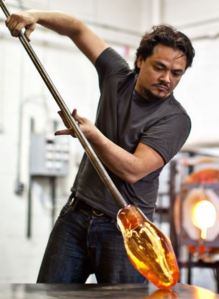 By capturing the fluidity of glass in its liquid state with gestural experimentations of technique, John transforms “perfectly imperfect” into signatures of his creations. Fragile and ethereal, yet purposeful and confident, every Pomp piece is a unique confluence of light, liquid and fire, which he brings together to alchemic effect.

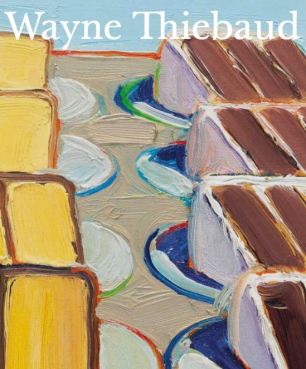 One of the largest canvases from Thiebaud’s groundbreaking early period, it depicts a row of arcade machines, decorated in a vibrant mix of oranges and yellows…With their foreshortened bodies, the machines press towards the picture plane like the cakes and hot dogs in Thiebaud’s other works, inviting the viewer to reach in and taste.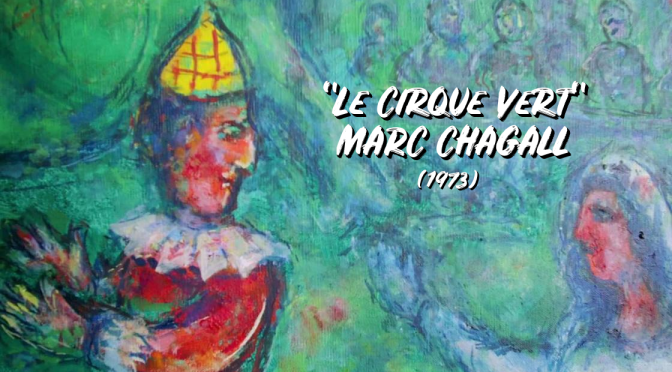
 As a child, Marc Chagall would marvel at the traveling acrobatic troupes that passed through his Village. The animals, dancers and musicians of the circus seemed to conjure a distinct joy that would consistently manifest itself throughout the artist’s career. In this episode of Expert Voices, discover how Chagall was able to uniquely translate this fascination to canvas as Edith Eustis delves into the deep greens and brilliant reds of Marc Chagall’s Le Cirque Vert. Painted in 1973, this work captures the magical allure of the spectacle and incorporates many of the artist’s most iconic motifs. Le Cirque Vert will be offered as a highlight of Sotheby’s Impressionist & Modern Art Evening Sale in New York.
 Boomers Daily