Category Archives: Previews

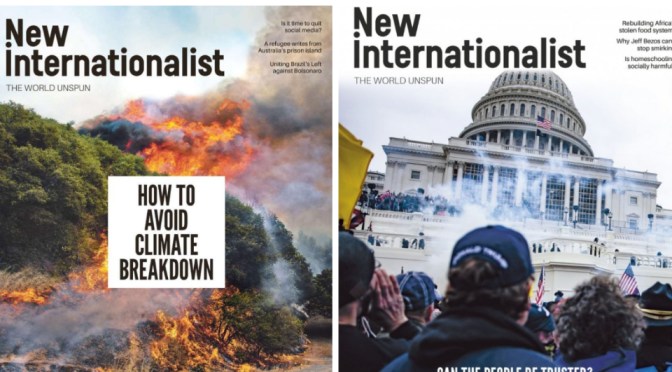
World Journalism: New Internationalist – Sept ’22

September-October 2022, Issue 539

Railways can be a world unto themselves. When properly managed, this can mean it’s easier to get things done on the railways than in other parts of an economy. That should be a huge opportunity for reducing climate emissions by getting passengers off the roads and out of the skies. But unless we re-purpose rail networks to serve the interests of people – and not those of the empires and corporations which built them and run them to this day – we can’t succeed. This edition explores how we can make a start on this task.

WILL BOLSONARO’S SPENDING SPREE LEAVE ANY WINNERS?

With an election looming, Jair Bolsonaro has set an economic timebomb for Brazil, writes Leonardo Sakamoto.
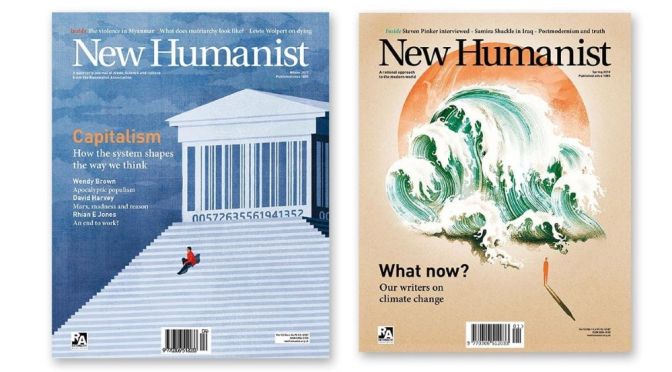
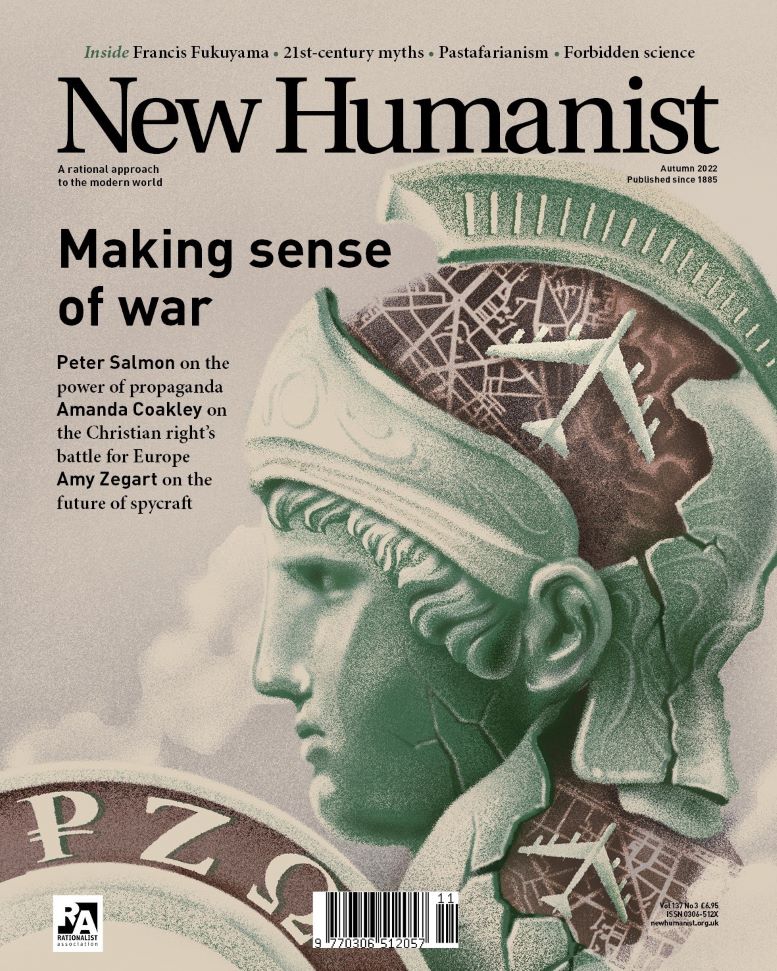
Previews: New Humanist Magazine – Autumn 2022

Making sense of war

Polishing the crystal ball

The intelligence community often fails to make accurate predictions. Amy Zegart, an expert brought in to improve analysis in the United States, sets out what can be done to overcome our cognitive biases.

Improving analysis to prevent nuclear catastrophe isn’t just a matter of history. Great power competition is back. Russia and China are trying to rewrite the international order along authoritarian lines.

Research Preview: Nature Magazine – August 18, 2022

Volume 608 Issue 7923

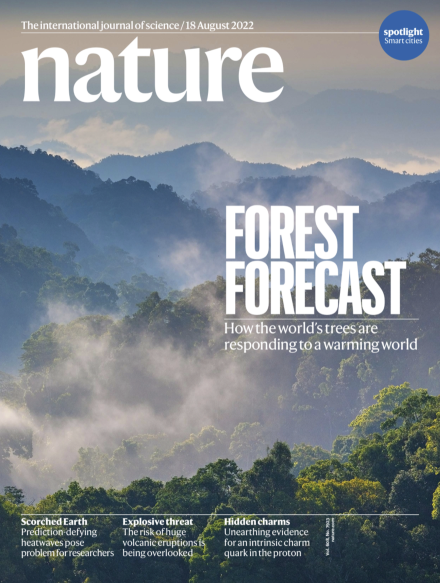
The cover captures the morning mist at Kaeng Krachan National Park in Thailand. Like every other aspect of life on Earth, forests are facing increased challenges posed by climate change. A collection of papers in this week’s issue probes the vulnerabilities and potential resilience of forests in a warming world. Three studies focus on North America: one examining the response of boreal species to warming and drought, another analysing the timing of stem growth in temperate deciduous forests, and a third revealing migration of white spruce (Picea glauca) into the Arctic tundra. In the tropics, one paper investigates the 

impact of phosphorus availability in the Amazon, while another assesses the reasons for increased mortality of tropical trees. Finally, a sixth paper shows how satellite imaging can be combined with machine learning to identify declining resilience in the world’s forests.

Preview: New Scientist Magazine – August 20, 2022

Image

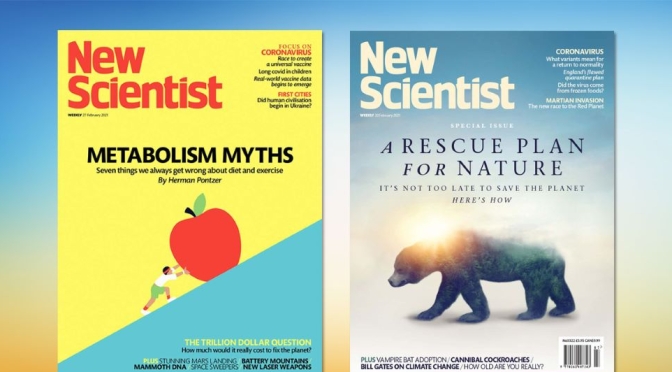
In this week’s issue: How a strange system of eight-dimensional numbers could provide the mathematical framework to describe the entire universe.

  • CULTURE – Stray review: A game that lets you live your best cat life
  • FEATURES – Octonions: The strange maths that could unite the laws of nature
  • FEATURES – The secrets in our sewers helping protect us from infectious diseases

Preview: The Guardian Weekly – August 19, 2022

19 August Guardian Weekly

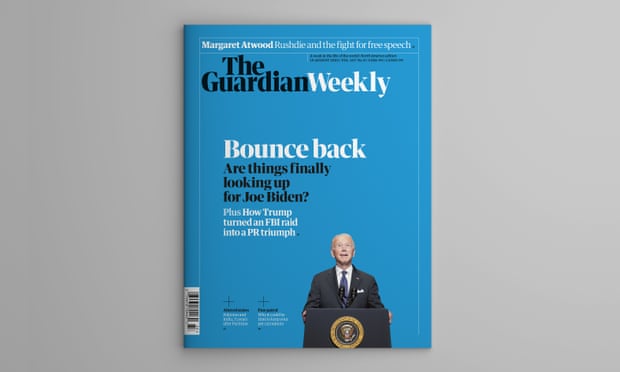
Joe Biden’s political capital is riding high after a key plank of his legislative programme came to fruition. But the US president has greeted this “hot streak” in his usual quiet fashion. For his predecessor, it was a decidedly rough week after his home was raided by the FBI, looking for official documents that Donald Trump had held on to after his presidential term had ended. The reaction was a typical explosion of rage and accusation. David Smith, our Washington bureau chief, follows this compare-and-contrast theme to see which of the two men, who at this juncture still look likely to face each other again in the 2024 presidential election, came out on top.

Read more

Cover Preview: Scientific American – September 2022

New Solutions to Black Holes, Snake Phobia and Forecasting Atmospheric Rivers

New Solutions to Black Holes, Snake Phobia and Forecasting Atmospheric Rivers

These fun stories show progress from the scale of quantum effects to that of snakes and from Earth to the edge of the universe

Monkeypox Explained: Transmission, Symptoms, Vaccines and Treatment

Tanya Lewis

AI Can Help Indigenous People Protect Biodiversity

Wai Chee Dimock

CLIMATE CHANGE

What Megafires Can Teach Us about California Megafloods

Chelsea Harvey and E&E News

Previews: Times Literary Supplement – Aug 19, 2022

Image

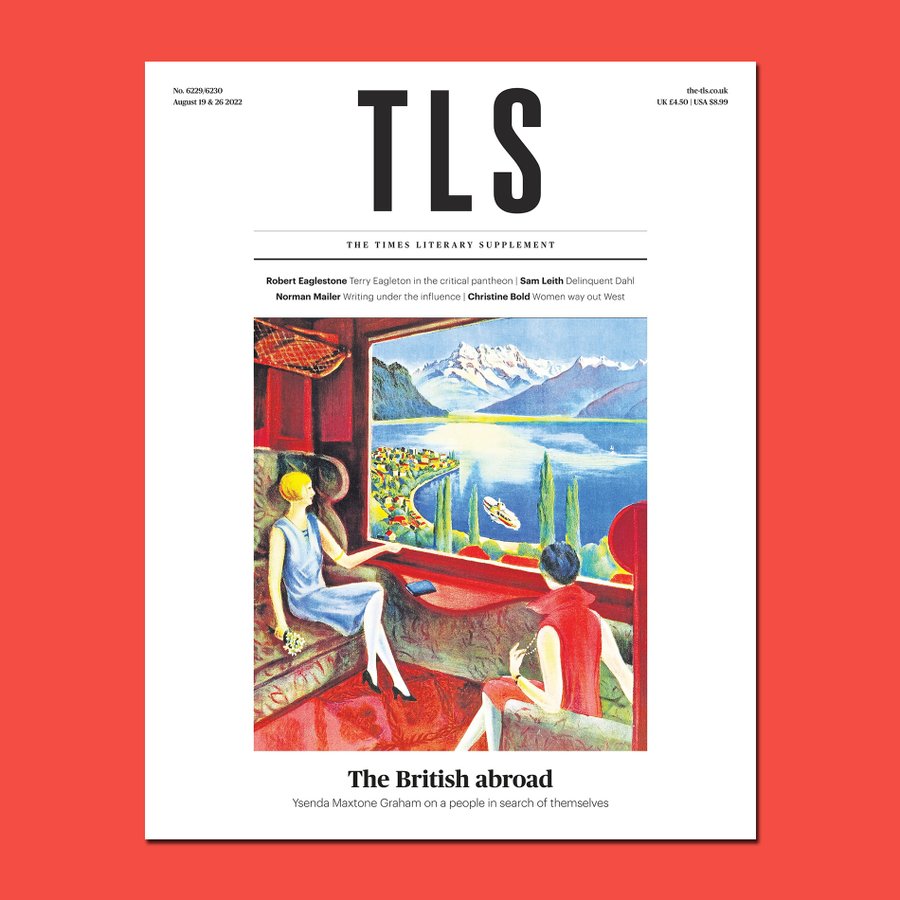
The summer double issue of The Times Literary Supplement @TheTLS , featuring @YsendaMG on the British abroad; @questingvole on Roald Dahl; poems by John Fuller and Simon Armitage (both titled ‘The Repair Shop’); @RebeccaSpang on cryptocurrencies; @Skye_Cleary on love – and much more

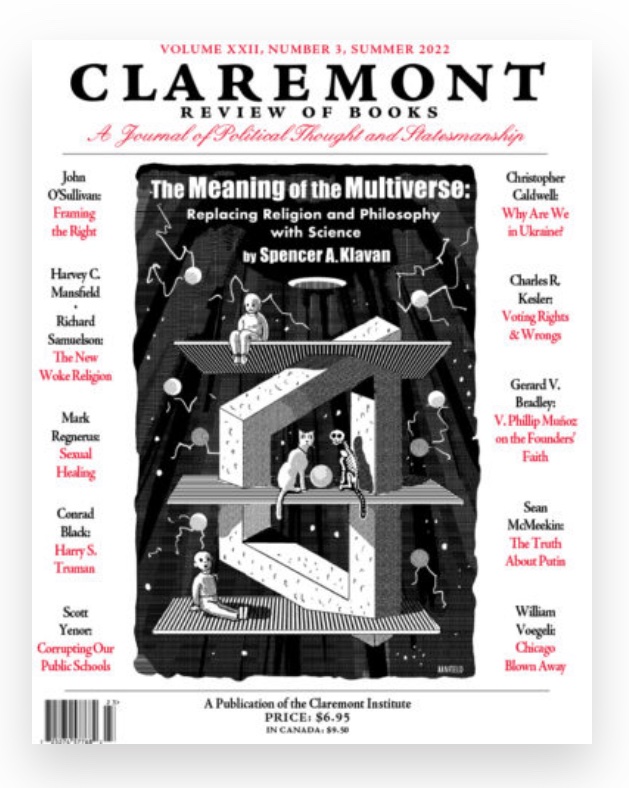
Covers: Claremont Review Of Books – Summer 2022

Image

America First

Angelo Codevilla’s final critique of our ruling class’s corruption… by Carnes Lord

America’s Rise and Fall among Nations: Lessons in Statecraft from John Quincy Adams is an extraordinary book by an extraordinary man. Angelo Codevilla, a senior fellow of the Claremont Institute, died in an automobile accident last year near his northern California vineyard. He was a first-generation immigrant, born in Italy, who shared with so many from a similar background a fierce love for his adopted homeland. A political scientist with far-ranging interests in comparative politics, international relations and strategic studies, and political philosophy, Codevilla also served in the United States government as a diplomat, naval officer, and congressional staffer.

Cover Preview: National Geographic – Sept 2022

The U.S. is home to some of the most beautiful places on the planet, but climate change poses a threat to these natural treasures. On this episode of Overheard, learn how innovation and Indigenous knowledge could change how we protect the environment.

Read more: https://on.natgeo.com/3CanfRJ

Cover Preview: Harper’s Magazine – September 2022

A Hole in the Head

by Zachary Siegel

Can a brain implant treat drug addiction?

On a bright summer day in July 2021, James Fisher rested nervously, with a newly shaved head, in a hospital bed surrounded by blinding white lights and surgeons shuffling about in blue scrubs. He was being prepped for an experimental brain surgery at West Virginia University’s Rockefeller Neuroscience Institute, a hulking research facility that overlooks the rolling peaks and cliffs of coal country around Morgantown. The hours-long procedure required impeccable precision, “down to the millimeter,” Fisher’s neurosurgeon, Ali Rezai, told me.