
The Globalist Podcasts (June 10, 2024): News from this weekend’s EU elections. Plus: Brics foreign ministers meet in Nizhny Novgorod, the latest on Rafah and how might the detainment of a French scholar in Russia further strain relations with the West?
Category Archives: Politics
Sunday Morning: Stories And News From Zürich, London, Milan And Basel
Monocle on Sunday, June 9, 2024: Juliet Linley and Gabe Bullard join Monocle’s editorial director, Tyler Brûlé, to discuss the weekend’s hottest topics.
We also speak to Monocle’s Europe editor at large, Ed Stocker, for the latest updates on the EU elections and Monocle’s editor in chief, Andrew Tuck, gives us the view from London. Plus: Art Basel CEO, Noah Horowitz, joins to discuss this year’s event.
Saturday Morning: News And Stories From London
Monocle on Saturday (June 8, 2024): Writer and social commentator Lijia Zhang joins Georgina Godwin to talk about the 35th anniversary of the Tiananmen Square crackdown, organising her own protest, China’s relationship with Russia and Ukraine and the K-pop balloons sent to North Korea.
Plus: Kate Mosse, author and founder director of the Women’s Prize, joins to discuss the organisation’s live event and Bookbanks founder Emily Rhodes on her initiative bringing books to foodbanks.
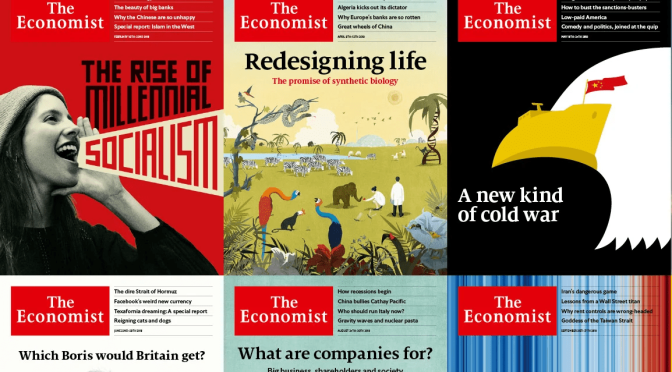
The Economist Magazine – June 8, 2024 Preview


Billionares’ bad bet on Trump
A Trump victory would reward them. But not enough to justify the risks
In Crimea, Ukraine is beating Russia
The peninsula is becoming a death trap for the Kremlin’s forces
Robots are suddenly getting cleverer. What’s changed?
There is more to AI than ChatGPT
The New York Times Magazine – June 9, 2024
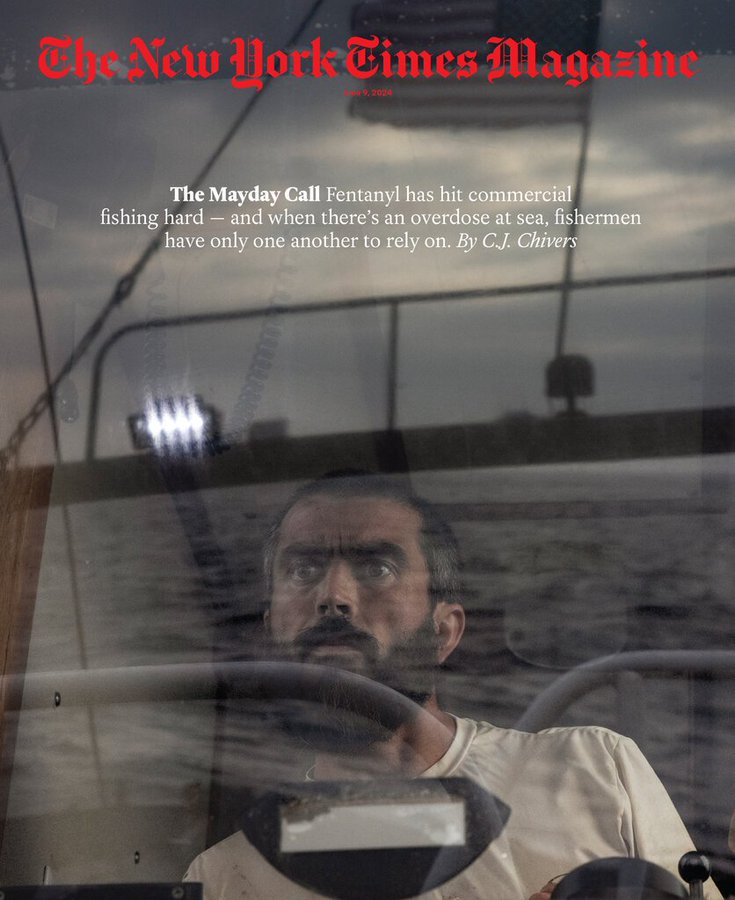

THE NEW YORK TIMES MAGAZINE (June 7, 2024): The latest issue features The Mayday Call: How One Death at Sea Transformed a Fishing Fleet…
The Mayday Call: How One Death at Sea Transformed a Fishing Fleet
The opioid epidemic has made a dangerous job even more deadly. And when there’s an overdose at sea, fishermen have to take care of one another.
That Much-Despised Apple Ad Could Be More Disturbing Than It Looks
Tech companies are running low on new experiences to offer us. A new ad for the iPad contains revealing hints of where they could go next.
By PETER C. BAKER
Ibram X. Kendi Faces a Reckoning of His Own
In 2020, the author of “How to Be an Antiracist” galvanized Americans with his ideas. The past four years have tested them — and him.
By RACHEL POSER
News: Israel Strike On UN School, South Korea Hosts Africa Leaders
The Globalist Podcasts (June 7, 2024): We reflect on South Korea’s first summit with leaders from 48 African countries and how the country plans to increase its influence in the region.
Plus: plans for teetotal cruises in Saudi Arabia, a roundup of retail news and an interview with filmmaker Richard Linklater.
News: Gaza Ceasefire Plan Weighed, UK Accused Of Recruiting Spies By China
The Globalist Podcast (June 4, 2024): Israel and Hamas weigh up the latest plan for peace in Gaza. Meanwhile, China has accused the UK’s MI6 of recruiting a couple as spies in the latest incident of alleged espionage going public.
Plus: aviation news and why the Swiss Air Force is practising landing on motorways.
News: Claudia Sheinbaum Elected Mexico President, Burkina Faso’s ‘Crisis Era’
The Globalist Podcast (June 3, 2024): Why neglect of Burkina Faso’s ongoing crisis is the ‘new normal’ and the results from Mexico’s historical election.
Also in the programme: Samir Puri is in Singapore as leaders discuss security in Asia, Nick Bryant tells us what’s next for Donald Trump in the wake of his conviction and the latest culture news with Amah Rose Abrams.
Sunday Morning: Stories And News From London, Stockholm And Ljubljana
Monocle on Sunday, June 2, 2024: Emma Nelson, Charles Hecker and Isabel Hilton on the weekend’s biggest talking points.
We also speak to Monocle’s editorial director, Tyler Brûlé, in Sweden and Monocle’s Balkans correspondent, Guy de Launey, in Ljubljana. Plus: Monocle’s Georgina Godwin and Hay Festival CEO, Julie Finch, join from Hay-on-Wye to look back at this year’s event.
The New York Times Magazine – June 2, 2024

THE NEW YORK TIMES MAGAZINE (June 1, 2024): The latest issue features ‘Walnut and Me’ – How my dog helped me accept that someday we will all die…
What My Dog Taught Me About Mortality
Walnut rescued me from death more than once—but not in the way you might think.The Battle Over College Speech Will Outlive the Encampments
For the first time since the Vietnam War, university demonstrations have led to a rethinking of who sets the terms for language in academia.
By EMILY BAZELON Boomers Daily