
 On this week’s podcast, life lessons from poker, keeping things civil during peer review, a sweaty synthetic skin that can exude useful compounds, and Mars’s green atmosphere.
In this episode:
00:44 Deciding to play poker
When writer Maria Konnikova wanted to better understand the human decision making process, she took a rather unusual step: becoming a professional poker player. We delve into her journey and find out how poker could help people make better decisions. Books and Arts: What the world needs now: lessons from a poker player
09:12 Research Highlights
A sweaty synthetic skin that can exude useful compounds, and Mars’s green atmosphere. Research Highlight: An artificial skin oozes ‘sweat’ through tiny pores; Research Highlight: The red planet has a green glow
11:21 Developing dialogues
The peer-review process is an integral part of scientific discourse, however, sometimes interactions between authors and reviews can be less than civil. How do we tread the fine line between critique and rudeness? Editorial: Peer review should be an honest, but collegial, conversation
18:47 Briefing Chat
We take a look at some highlights from the Nature Briefing. This time we talk about research into racism, and a possible hint of dark matter. Nature News: What the data say about police brutality and racial bias — and which reforms might work; Nature News: Mathematicians urge colleagues to boycott police work in wake of killings; Quanta: Dark Matter Experiment Finds Unexplained Signal
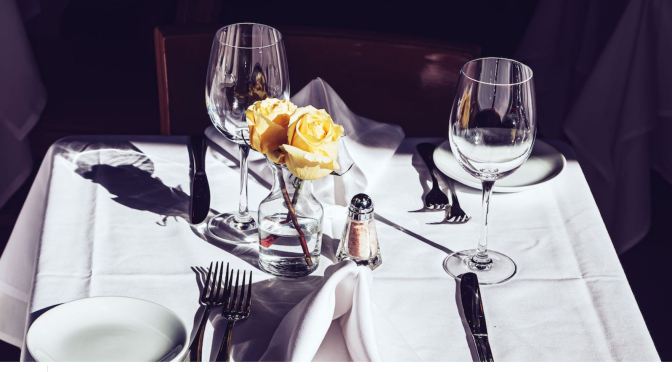
 Public health experts think Covid-19 risk is lower outside, and restaurateurs want to fill tables. It’s an easy solution—except for all the hard parts.
 In the past few weeks, best seller lists and streaming platforms have been full of books, shows, and songs about racism in America. Demand for this type of content is growing, streaming companies are featuring more prominently and it could have a lasting impact.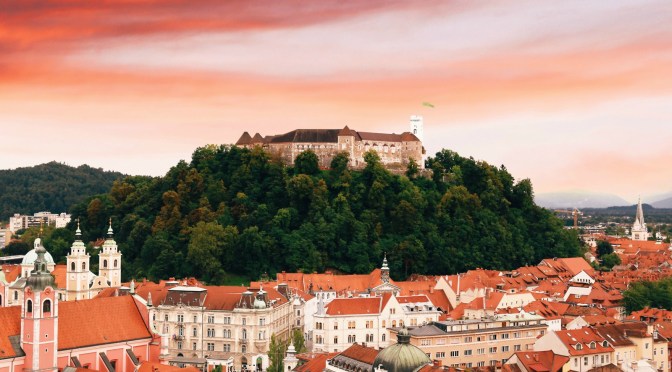
 Monocle 24’s “Tall Stories” visits Ljubljana Castle, a former medieval fortress that’s now at the heart of city life in the Slovenian capital. It hosts everything from award-winning restaurants to a diverse collection of cultural venues.
 A selection of three essential articles read aloud from the latest issue of The Economist. This week,
 Senior Correspondent Jeffrey Mervis joins host Sarah Crespi to talk about how universities are dealing with the financial crunch brought on by the coronavirus. Jeff discusses how big research universities are balancing their budgets as federal grants continue to flow, but endowments are down and so is the promise of state funding.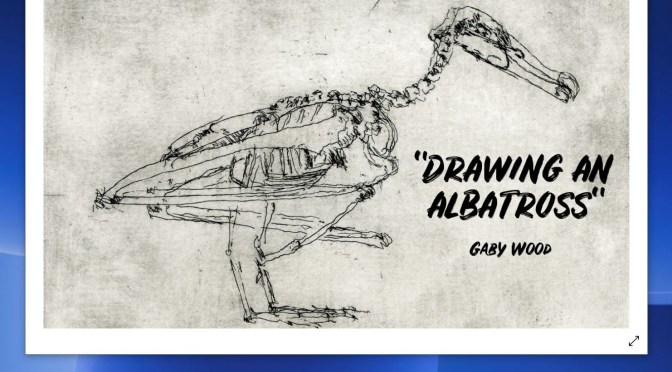
 By the time I used the camera lucida in the museum, I’d spent several months grappling with the strange proposition offered by its prism. I’d read that the image was sharper if you held it over a dark drawing surface, but that didn’t make any sense to me until the smoked metal etching plate was beneath my hand. Suddenly the albatross skeleton appeared on it: bright, spectral. The process was different from the way I’d imagined it. There was a drag, almost a dance, under the needle – a tiny jump of resistance in the copper. Without seeing what you were doing, you could feel it more keenly. It wasn’t like ice-skating at all.
 A camera lucida is an optical device used as a drawing aid by artists. The camera lucida performs an optical superimposition of the subject being viewed upon the surface upon which the artist is drawing. The artist sees both scene and drawing surface simultaneously, as in a photographic double exposure.
 A selection of three essential articles read aloud from the latest issue of The Economist. This week, the
  Boomers Daily