Contributing Correspondent Michael Price joins host Sarah Crespi to discuss the newest Mars analog to be built on the location of the first attempt at a large-scale sealed habitat, Biosphere 2 in Arizona.
Next, William Brady, a postdoctoral researcher in the psychology department at Yale University, talks with Sarah about using an algorithm to measure increasing expressions of moral outrage on social media platforms.
With the Taliban promising more freedoms in Afghanistan, we ask howthe West is planning to protect the country’s women and girls. Plus: the first minister of Wales on his coronavirus response and the latest arts news.
A team is creating bespoke words for scientific terms in African languages, and the sustainability of the electric car boom.
00:46 Creating new words for scientific terms
Many words that are common to science have never been written in some African languages, or speakers struggle to agree what the right term is. Now a new project aims to change that, by translating 180 research papers into six languages spoken by millions of people across the continent of Africa.
11:48 Research Highlights
A rainbow of biodegradable inks derived from brown seaweed, and the enormous centipede that preys on baby birds.
As electric cars become more ubiquitous, manufacturers will have to up the production of batteries needed to power them. But that begs the question – can they be mass produced in a sustainable way?
We discuss some highlights from the Nature Briefing. This time, how a tusk-based ‘chemical GPS’ revealed details of a mammoth’s enormous journeys , and why the Perseverance rover’s first efforts to collect a Mars rock sample didn’t go according to plan.
We look to Brussels to hear how the EU plans to approach an Afghan migration crisis, and discuss New Zealand’s latest lockdown. Plus: a review of the morning papers and the headlines from the Balkans.
A president’s assassination, a cratered economy and now this: a tropical depression that will hamper rescue efforts after a massive earthquake. The country cannot catch a break.
India and Pakistan parted ways 74 years ago this week; we discuss how the tensions that defined their division still resonate today. And why Indonesia is so good at badminton.
The fall of Kabul, the capital, sealed the country’s fate: after 20 years, the Taliban are back in charge—a fearsome outcome for its people and for the Biden administration.
As capital punishment fades, life sentences proliferate; that comes with its own costs and iniquities. And visiting an enclave in Uruguay that is in many ways more Russian than Russia.
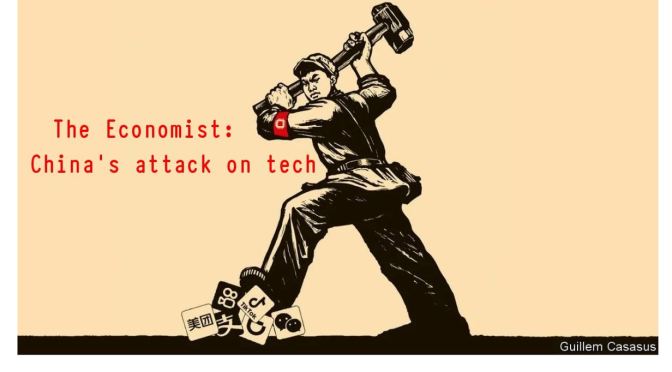
A selection of three essential articles read aloud from the latest issue of The Economist. This week: China’s attack on tech, function in Washington (10:09), and our prediction model for Germany’s election (17:15)
Monocle’s Emma Nelson and guests cover the weekend’s defining stories. Plus: what’s making headlines in Finland and what’s on the pages of Italy’s ‘La Repubblica’ newspaper.
Georgina Godwin sets the tone for the weekend as Simon Brooke leafs through the morning newspapers and Monocle editor in chief Andrew Tuck joins with his regular weekend column.
We assess China’s ‘five-year plan’ for its economy and ask what it means for the country’s private firms. Plus: the latest on Lithuania’s plans to build a wall on its border with Belarus, and Zürich’s Design Biennale.





 Boomers Daily