

When designer Richard Found discovered the dream plot on which to build his serene contemporary retreat overlooking a lake, he didn’t bet on what happened next. In the grounds stood a derelict 18th-century gamekeeper’s cottage, which was immediately spot-listed by Historic England. “It changed the whole dynamic of what I thought would be a straightforward new-build project, and became a far more arduous planning exercise.”…
House Proud is a series of videos created by the Telegraph which showcase some of Britain’s most idiosyncratic, quirky, unusual and unforgettable homes. A celebration of British eccentricity and imagination, in each film the owner gives us an intimate guided tour and tells us the story of their unique property.






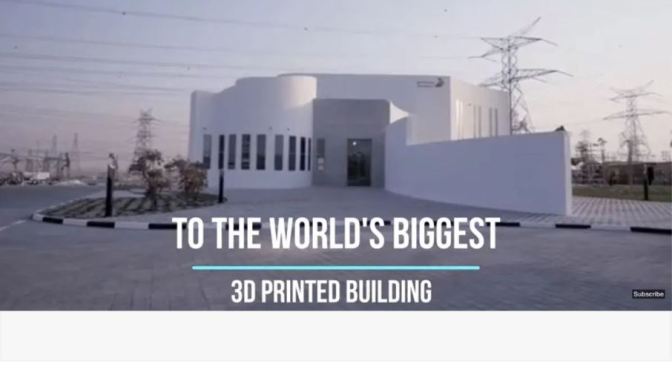
 Robotic construction company Apis Cor has used its technology to build the world’s largest 3D-printed building, a two-storey administrative office in Dubai.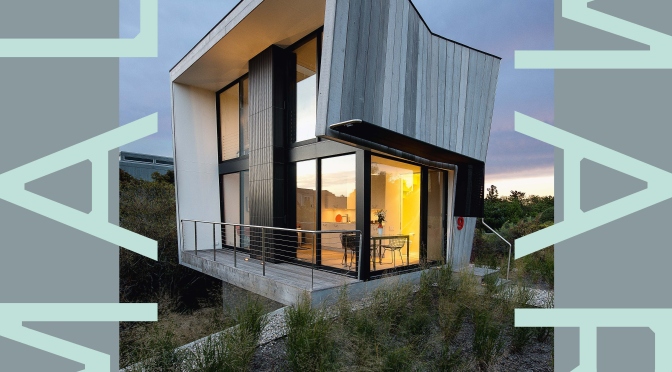
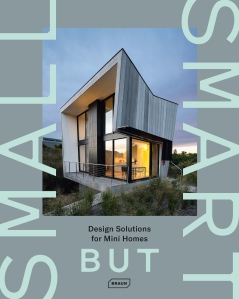 This volume presents a large variety of sophisticated solutions for mini houses in terms of architectural style, construction method and interior design. Whether portable or prefabricated, newly built or reused, rural or urban, they all meet the highest technological and sustainable standards to literally reduce their owners’ ecological footprint.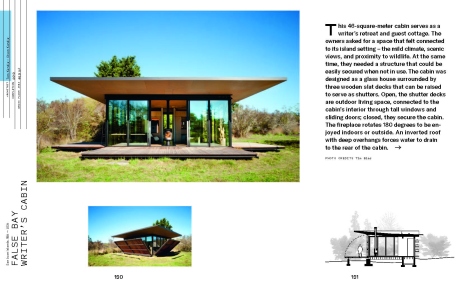

 “Research suggests that as we age, Americans will spend more of our hard-earned retirement assets on health care, such as insurance, prescription drugs, in-home care and other services that help us remain independent,” says NRMLA’s President Steve Irwin. “A retirement plan that includes the responsible use of home equity may be the best option that can help ensure healthcare spending doesn’t become a financial burden for many retired couples.”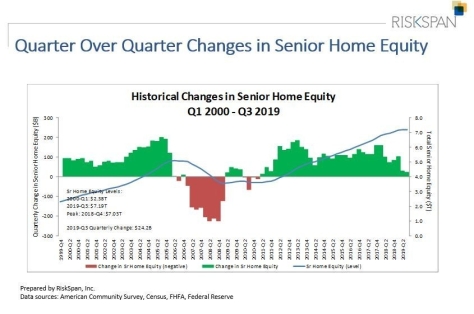
 Boomers Daily