Category Archives: Home Design

Housing: “Nestron” Is First Prefab, Fully Integrated Smart Home In The World

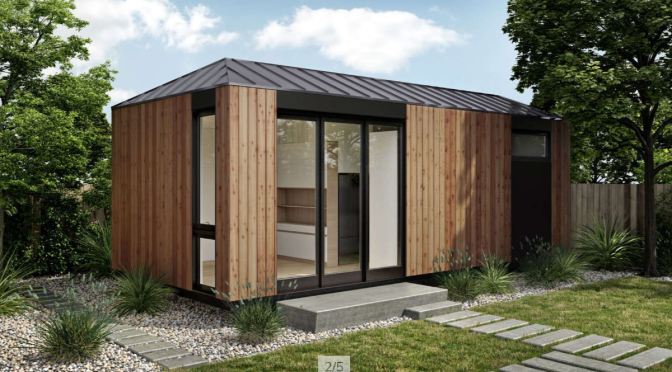
Nestron is the first fully prefabricated, integrated and equipped house in the world. Zero construction required.

  • Adaptive insulation – The house is suitable for living in all kinds of climates. The isolation system in walls, double-tempered glass, and fitted doors guarantee the highest possible comfort.
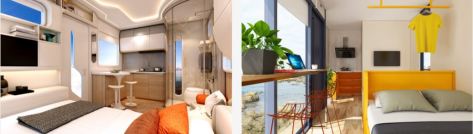
Nestron Tiny Homes Interior Singapore

  • Solid construction – The steel structure and top quality materials guarantee the highest level of safety. Every Nestron house meet fireproof and earthquake-resistant standards.
  • AI System – Your Nestron is a fully integrated smart house. Use your voice to control the most important functions and let the appliances learn your way of living.
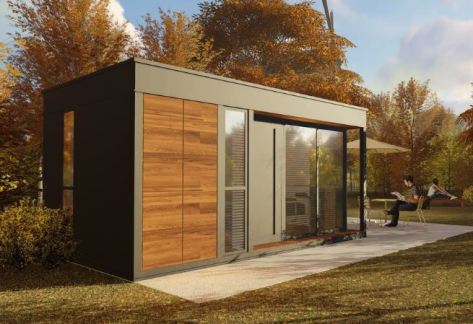
Nestron Tiny Homes Singapore

Download Catalog

Website

Podcast Interviews: Travel & Style Magazine “Cereal” Editor Rosa Park

The Modern House podcast logoRosa Park is founding editor of Cereal, which is dedicated to thoughtful travel and lifestyle stories and known for its pared-back aesthetic. Here she reveals her love of Bath’s sandstone buildings, the unique style of her family home – and why you’d better not call her a minimalist.
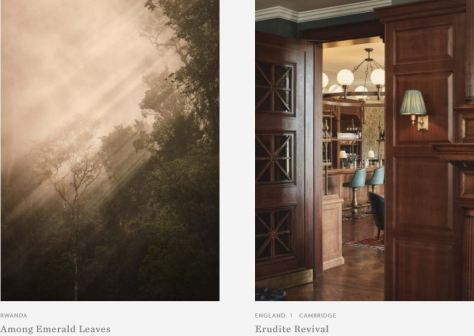
Our guest for the first episode is Rosa Park, founding editor of Cereal magazine, a biannual publication dedicated to thoughtful travel and lifestyle stories and known for its pared-back aesthetic. Rosa was born in Seoul, grew up between Korea and Canada, studied in Boston and worked in New York before settling in Bath, Somerset, where she now presides over the magazine, a series of travel guides and her latest venture, art gallery Francis.

Cereal Magazine

Cereal Magazine content

Tune in to hear Rosa talk about how she got Cereal off the ground, why beige is her favourite colour and why she doesn’t define home as being about a place. Plus, hear why Rosa’s picked Kettle’s Yard in Cambridge, Vincent Van Duysen’s home in Antwerp and her parents’ home in Seoul as her top three picks.

Website


Home Design: Flexible, Eco-Friendly Modular Homes In Costa Rica By ÚBÁLI TROPICAL LIVING

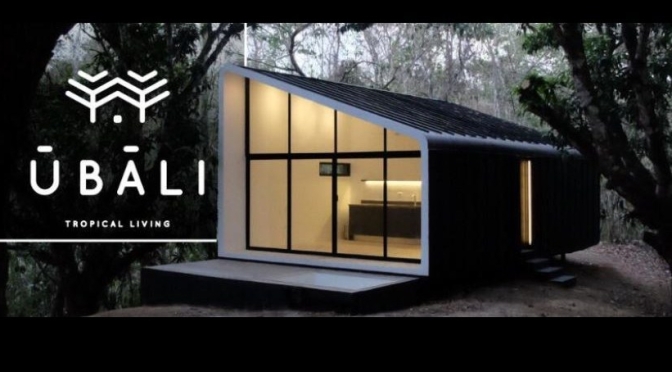
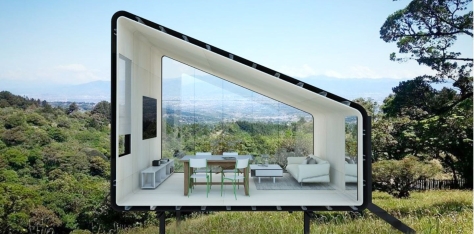
The proposal is inspired by the experiences lived in the mountains of Costa Rica. The intimate nest form comes into communication with nature so that guests have privacy and dialogue with the space around them. Its flexible structure allows it to adapt to sloping terrain, dense forests and humid tropical climates.

Ubali Costa Rica Modular Home Model 1.0 Kabek

The cabin includes all the electro-mechanical installations, the septic tank and the facilities necessary for its operation. The modulation of the cabins allows to make certain adjustments to shorten or enlarge the cab according to changing needs. The structure is lightweight in metal construction with an external lining in industrial zinc and internal walls in gypsum and densglass.

Website

Innovative Homes: “The Coach House” In London Filled An 11-Foot Gap With An Open Light Infill House

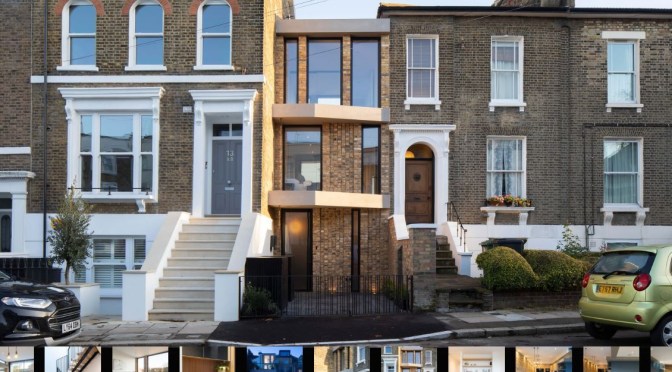
The Coach House, is a four bedroom new build infill house.

Selencky Parsons Architects logo

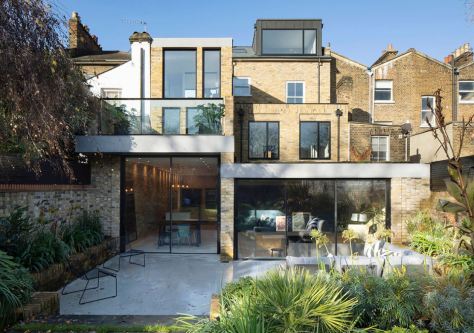
The Coach House by Selencky Parsons architects London Infill house back yard

A triple height light well brings light deep into the heart of the narrow plot which unexpectedly opens out to create a spacious open plan living space which engages with the large rear garden.

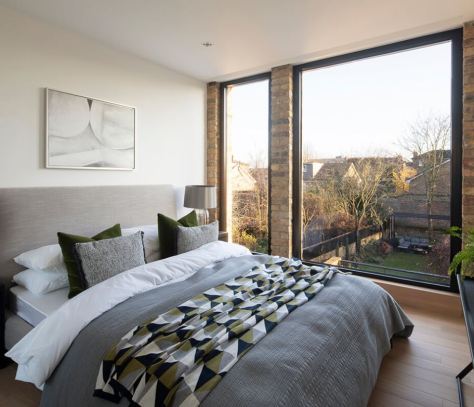
The Coach House by Selencky Parsons architects London Infill house upstairs bedroom

Website

Future Of Housing: The New “LivingHome AD1” Accessory Dwelling Unit (ADU) By Plant Prefab

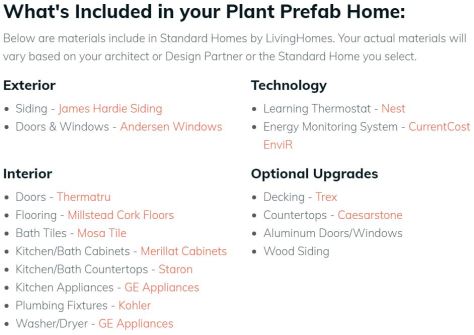
Plant Prefab logoIntroducing the LivingHome AD1: The Versatile Accessory Dwelling Unit (ADU). This one bedroom, one bath ADU is designed to provide affordable, sustainable rental units or family housing on existing single family lots. Finish options include three packages for interior and three for exterior, giving owners a total of nine standard configurations to choose from.
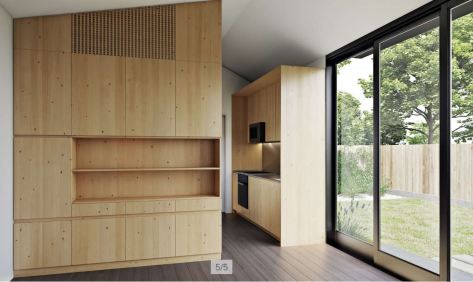
LivingHome AD1 - The Versatile Accessory Dwelling Unit Interior (ADU)

LivingHome AD1 - The Versatile Accessory Dwelling Unit (ADU) Specifications

Read more 

Future Of Housing: California Architect And Builder Launch Luxury Container Tiny Homes

From a Dwell.com online article:

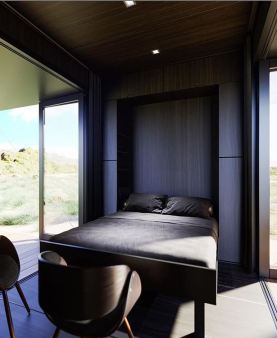
BuHaus Container Home interior fold down bedDrawing upon Garnero’s six years of cargotecture experience and Burdge’s design expertise, the duo recently launched the Buhaus: a tiny pre-permitted container home designed for indoor/outdoor living. “People appreciate great design, and most shipping container designs seem to be more low-end,” says Burdge. “We wanted to create a higher-end shipping container living unit.”
In the wake of the 2018 Woolsey Fire that devastated Southern California, Malibu architect Doug Burdge and builder Nate Garnero sought to provide their clients with temporary housing by repurposing shipping containers into fire-resistant tiny homes.

Buhaus—a combination of the words Bauhaus and Malibu—takes cues from the 20th-century movement with its clean, geometric form and focus on functionality. At 160 square feet, the Buhaus Studio Unit is efficiently divided into three sections: a living/sleeping area with a kitchenette, a bathroom, and an outdoor deck.

Read full article

Top 2019 Home Designs: “Himchori Residence” In Bangladesh By River & Rain Ltd. Architects

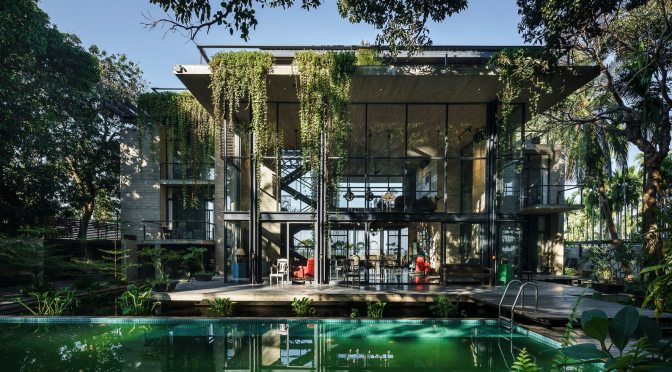
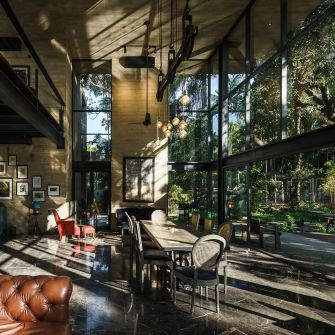
Himchori Residence Interior River & Rain LtdThe two and half-storied ‘Vacation Villa’ in Himchori marine drive is a holiday destination amidst the natural setup of hills and sea. The existing topography inspired project is an alluring statement of contemporary architecture in Bangladesh. The purpose of the villa as a place of vacationing is well served as it ensemble two exquisite natural proponent of the site; sea and hills within its built premise. Knotting multiple forces of nature within a space to create and balance the desired psychological mood of relaxation for user was the challenge.
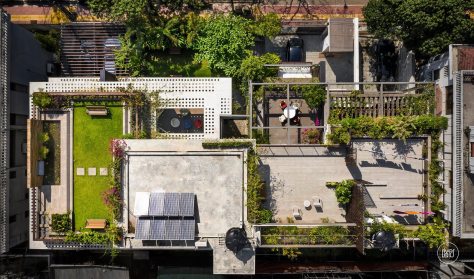


Himchori Residence Overhead View River & Rain Ltd

The composite structure of the project is well displayed to its true expression.  The RCC structure of east and west wing have been adjoined centrally with steel structure.  The sturdy sleek steel frame refurbished with glass is the central segment of the form. Recycled  and vintage materials used in various spaces of the villa have added sophistication without making it much ornate.

Architects website

Video Profiles: London Architect Richard Found In His Cotswold Retreat

When designer Richard Found discovered the dream plot on which to build his serene contemporary retreat overlooking a lake, he didn’t bet on what happened next. In the grounds stood a derelict 18th-century gamekeeper’s cottage, which was immediately spot-listed by Historic England. “It changed the whole dynamic of what I thought would be a straightforward new-build project, and became a far more arduous planning exercise.”…

House Proud is a series of videos created by the Telegraph which showcase some of Britain’s most idiosyncratic, quirky, unusual and unforgettable homes. A celebration of British eccentricity and imagination, in each film the owner gives us an intimate guided tour and tells us the story of their unique property.

Richard Found's Radical Retreat Gloucestershire England The Telegraphy Video January 16 2020

Read the full article

Design: The History Behind “Two-Up, Two-Down” London Row Houses

From a CityLab online article:

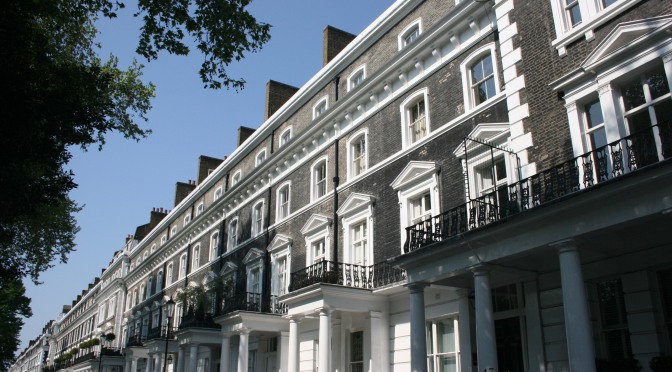
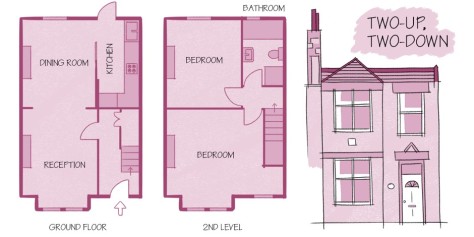
From the outside, London’s row houses have an eclectic variety of ornament, and they range in scale from palatial to boxy. But inside, they are pretty much all configured the same way. That’s because from the late 17th century up until the First World War, most residential buildings here cleaved very close to a model found across English cities: the terraced house, known in its most condensed, emblematic form as the “two-up, two-down.”

Two-Up Two Down London Row Houses CityLab Josh Kramer 2020

For a city that’s long been the repository of vast commercial, imperial, and industrial wealth, this might seem a very modest template. However, it is one that can be easily scaled up, points out Edward Denison, associate professor at the Bartlett School of Architecture and author of The Life of the British Home: An Architectural History.

“What’s extraordinary, in London in particular, is that you can find very grand houses in places such as Carlton House Terrace, with vast rooms and very high ceilings, that are still essentially two-up, two-downs with extra floors added,” says Denison. “Then you go to working-class terraced housing in places like Greenwich, and find a very different scale and quality of fittings, but essentially the same configuration.

Read full article