
From a Science Daily online release:
“People with heart failure cannot do everything that a healthy individual can, so the question becomes how much exercise can they handle and what type of impact will it have on their health,” Emter said. “We found that regardless of intensity level, some type of physical activity was good for heart health compared to no exercise at all.”
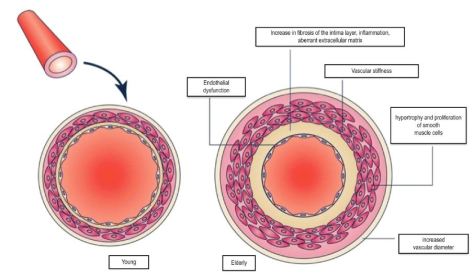
Now, research from the University of Missouri has found exercise can improve the health of blood vessels in the heart for people with heart failure. The finding is based on a study looking at swine, which have very similar blood vessels and heart muscles — both structurally and functionally — as humans.
To read more: https://www.sciencedaily.com/releases/2019/10/191022174402.htm
 “The risk for dementia is elevated about twofold in people who have diabetes or
 PayScale reports real-time salary data from over 54 million reports from job seekers, fact checking the data against private and public compensation data.
 At Dr. Soong’s hospital, withholding the results of urine cultures, unless doctors actually called the microbiology lab to request them,
 Most Americans probably aren’t aware of the decline in the number of individuals training to become transplant physicians and how it will affect the future of medicine. Neither are the 2020 presidential hopefuls, all of whom have policies they believe best provide health care coverage for Americans without acknowledging or calling attention to the fact that soon there may not be enough doctors to do the work once more people are insured. We need a plan for that.
 Our 3D deep-learning system performed well in both primary and external validations, suggesting that it could potentially be used for automated detection of glaucomatous optic neuropathy based on SDOCT volumes. Screening with the deep-learning system is much faster than conventional glaucoma screening methods (ie, by experienced specialists), can be done automatically, and does not require a large number of trained personnel on site. Further prospective studies are warranted to estimate the incremental cost-effectiveness of incorporating this artificial intelligence-based model for screening for glaucoma, both in the general population and among at-risk people.
 But greater use of biosimilars could create significantly more savings. If biosimilars obtained a 75 percent market share, less than the share of these medicines in many European Union nations, the resulting annual savings for the U.S. healthcare system could be nearly $7 billion, based on Winegarden’s analysis.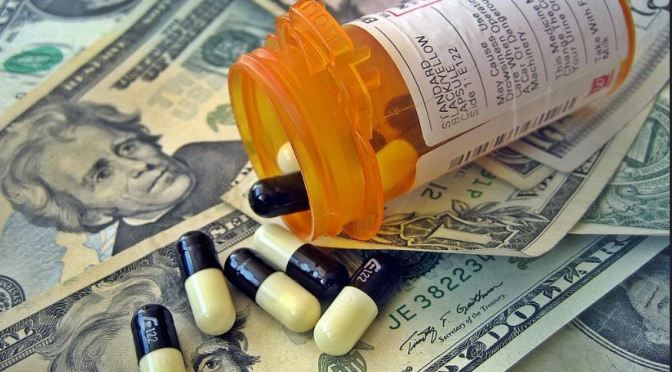
 The irony is
 In summary, dietary fructose, but not glucose, supplementation of HFD impairs mitochondrial size, function, and protein acetylation, resulting in decreased fatty acid oxidation and development of metabolic dysregulation.
 Boomers Daily