
As coronavirus spreads across the world, countries are setting up drive-through clinics to make it easier for their citizens to get tested. WSJ’s Andrew Jeong visited a test site in South Korea to see how it works.

As coronavirus spreads across the world, countries are setting up drive-through clinics to make it easier for their citizens to get tested. WSJ’s Andrew Jeong visited a test site in South Korea to see how it works.
From a New York Times online article (March 16, 2020):
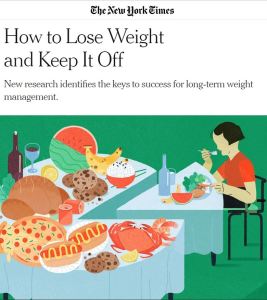 “Maintaining weight loss can get easier over time. Over time, less intentional effort, though not no effort, is needed to be successful. After about two years, healthy eating habits become part of the routine. Healthy choices become more automatic the longer people continue to make them. They feel weird when they don’t.”
Among the useful strategies identified in the new study is to keep lower calorie foods like fruits and vegetables more accessible. “We eat what we see,” Dr. Phelan noted. The corollary is equally important: keep high-calorie, less nourishing foods relatively inaccessible and out of sight if not out of the house entirely.
The new study led by Dr. Phelan, professor of kinesiology and public health at California Polytechnic State University, identified habits and strategies that can be keys to success for millions. Yes, like most sensible weight-loss plans, they involve healthful eating and regular physical activity. But they also include important self-monitoring practices and nonpunitive coping measures that can be the crucial to long-term weight management.
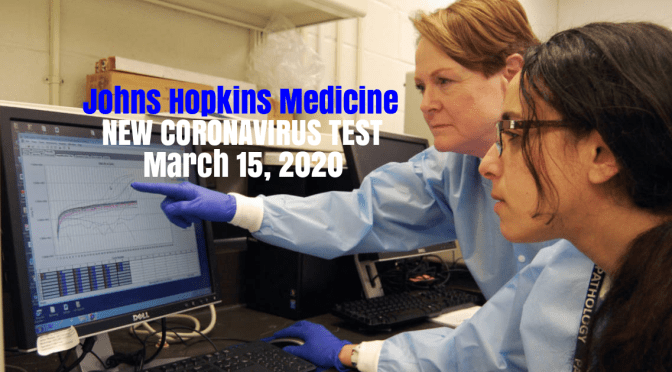
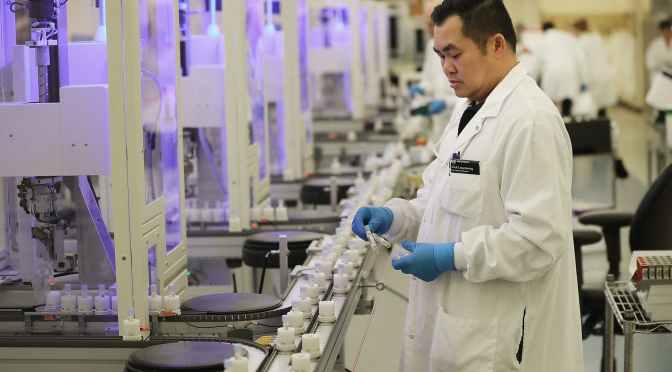
New Coronavirus test developed by Johns Hopkins microbiologists Karen Carroll and Heba Mostafa, look to test as many as 1,000 suspected Covid-19 cases per day in the Johns Hopkins Health System.
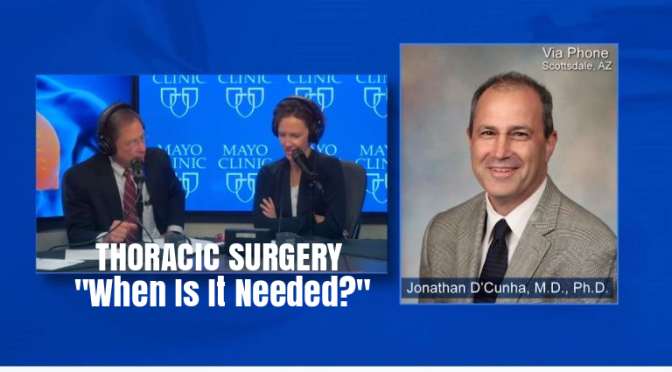
On the Mayo Clinic Radio program, Dr. Jonathan D’Cunha, a Mayo Clinic thoracic surgeon, explains when thoracic surgery might be needed.

If you are sick with COVID-19 or suspect you are infected with the virus that causes COVID-19, follow the steps below to help prevent the disease from spreading to people in your home and community.
The team at Mayo Clinic prefer to see patients screened for colorectal cancer before they show symptoms.
 Monocle 24 “The Urbanist” discusses the impact that quarantines can have on cities and what lessons city planners can learn when an outbreak causes borders to close. Here is a report from the ground on the changing nature of city life in Milan.
Dr. Matthew Binnicker oversees Mayo Clinic’s laboratory response in developing a test to detect COVID-19 in clinical samples. A process that usually takes six months to a year, was accomplished in under a month, thanks to a dedicated team working around the clock. The test should help ease the burden currently being felt at the Centers for Disease Control & Prevention and state health labs. That will also mean faster turnaround times for results. Patients can expect results within 24 hours of when samples are collected and sent to Mayo Clinic Laboratories. Initially, Dr. Binnicker says the laboratory has the capacity to run between 200-300 tests daily. Additional equipment has been ordered to double that capacity in the coming weeks.
More health and medical news on the Mayo Clinic News Network. https://newsnetwork.mayoclinic.org/
Global health officials have praised China and South Korea for the success of their efforts to contain the coronavirus. What are those countries getting right — and what can everyone else learn from them?
Guest: Donald G. McNeil Jr., a science and health reporter for The New York Times. For more information on today’s episode, visit nytimes.com/thedaily.
Background reading:


 Boomers Daily