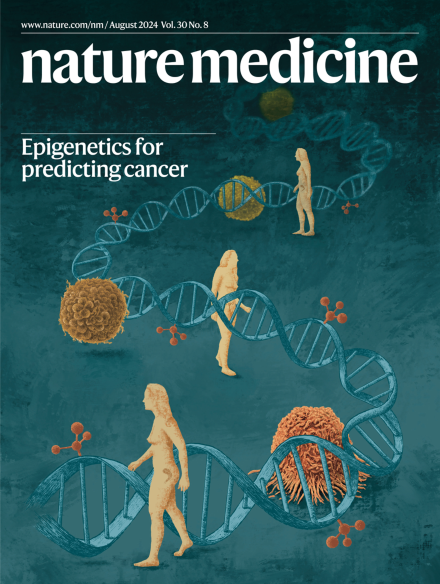
Genomics-based newborn screening has the potential to revolutionize healthcare, but new solutions are needed to ensure that the benefits are equitably available.
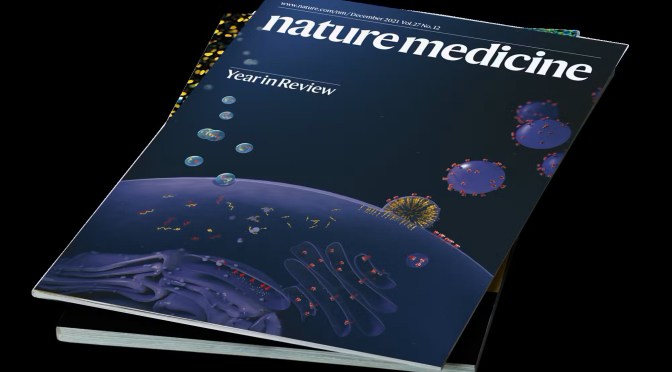
Dozens of clinical trials are testing new mRNA vaccines, using machine learning to identify antigens, and embracing new technologies such as self-amplifying RNA.
BBC Radio 4 (July 30, 2024): From the Hay Festival, James and a panel of experts explain what we can all do to help ourselves age well. We discover what’s going on in our bodies when we age, the difference between biological and chronological age, as well as getting the audience moving for a physical test.
James is joined by gerontologist Sarah Harper from the University of Oxford, biomedical scientist Georgina Ellison-Hughes from King’s College London, and doctor Norman Lazarus to understand how exercise, diet, and mental health all have a part to play in how we age.
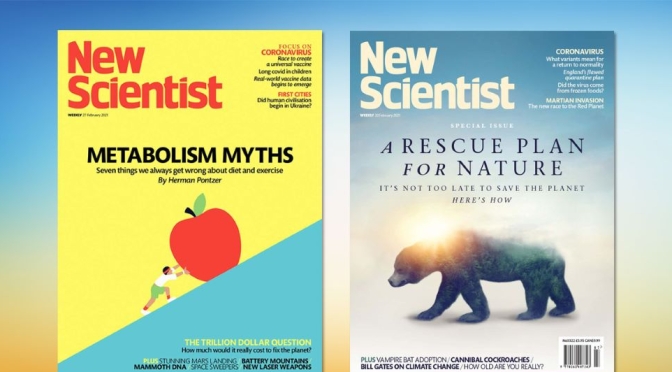
New Scientist Magazine (July 24, 2024): This issue features ‘The Smart Guide To Exercise’ – What is the quickest way to get fit?; How much exercise is too much?; What is lost and gained by working out online?; When is the best time to workout?….
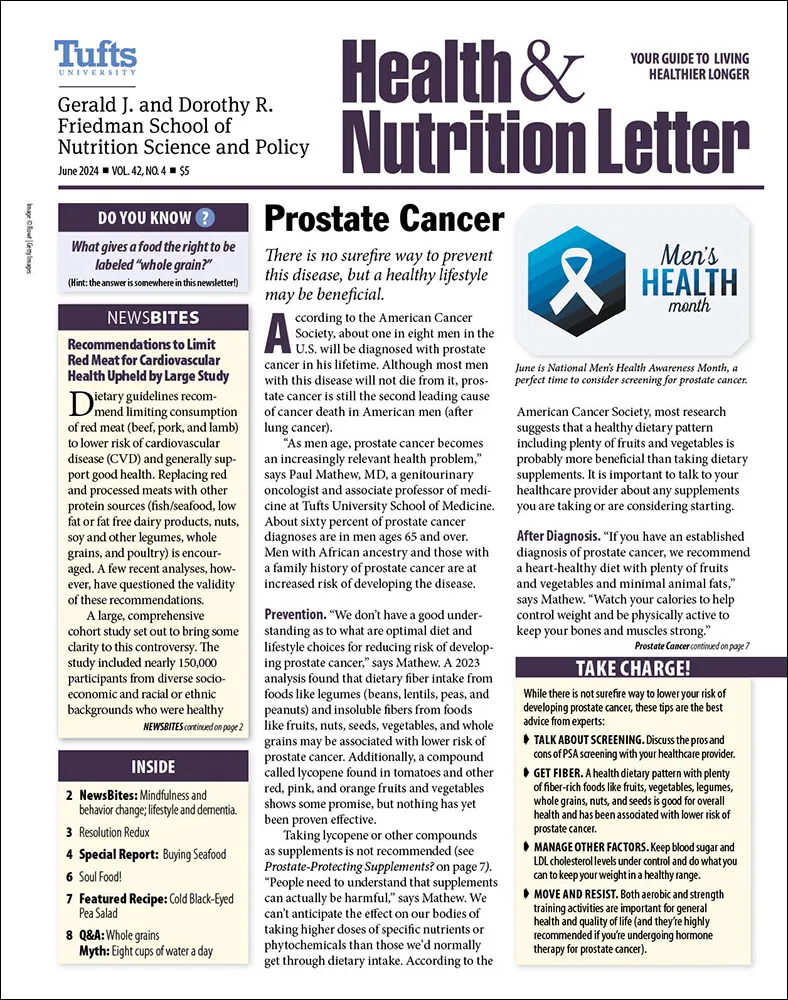
Tufts Health & Nutrition Letter (June 3, 2024): The new issue features ‘Prostate Cancer’ – There is no surefire way to prevent this disease, but a healthy lifestyle may be beneficial…
There is no surefire way to prevent this disease, but a healthy lifestyle may be beneficial.
June is National Men’s Health Awareness Month, a perfect time to consider screening for prostate cancer.
According to the American Cancer Society, about one in eight men in the U.S. will be diagnosed with prostate cancer in his lifetime. Although most men with this disease will not die from it, prostate cancer is still the second leading cause of cancer death in American men (after lung cancer).
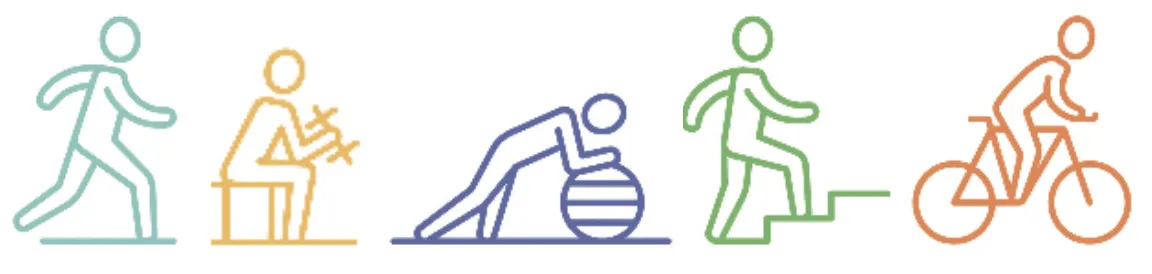
Let’s Get Moving!
Physical activity is good for us—whatever we do, and wherever and whenever we do it.
The benefits of physical activity are well-established. Not only can being physically active make you feel and perform better, but it can also reduce the risk of developing many chronic diseases, including cardiovascular disease, type 2 diabetes, and Alzheimer’s disease and other dementias.
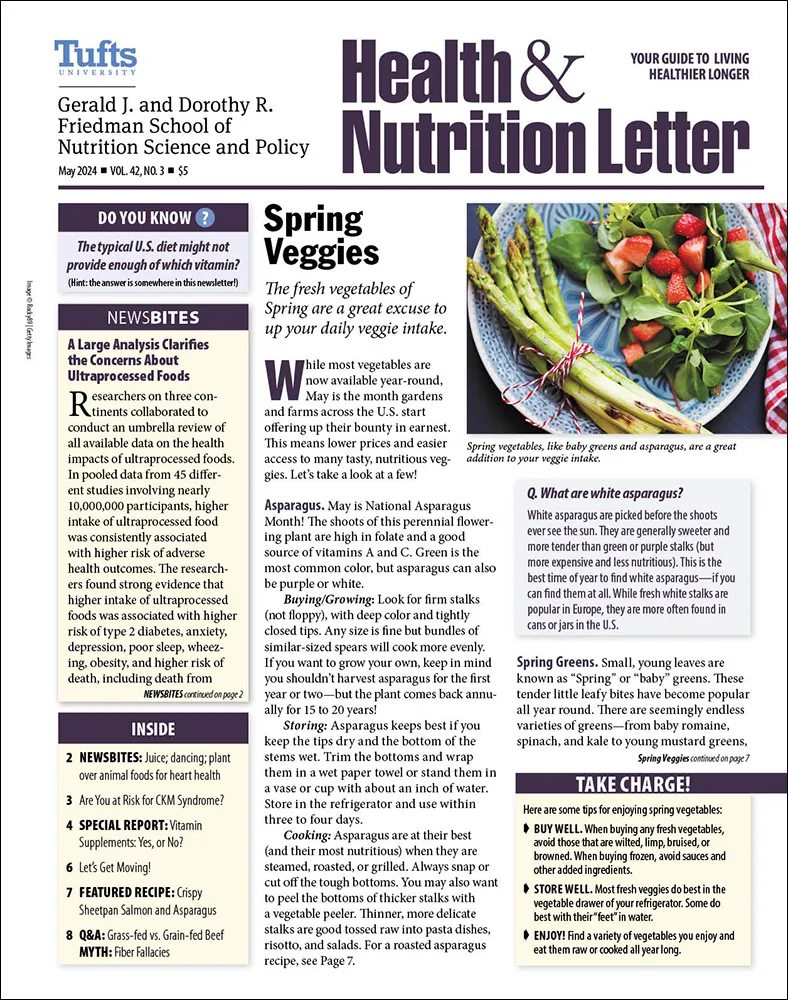
Tufts Health & Nutrition Letter (APRIL 30, 2024): The new issue features Vitamin Supplements – Yes, of No?; A large analysis clarifies the concerns about ultra-processed foods, and more….
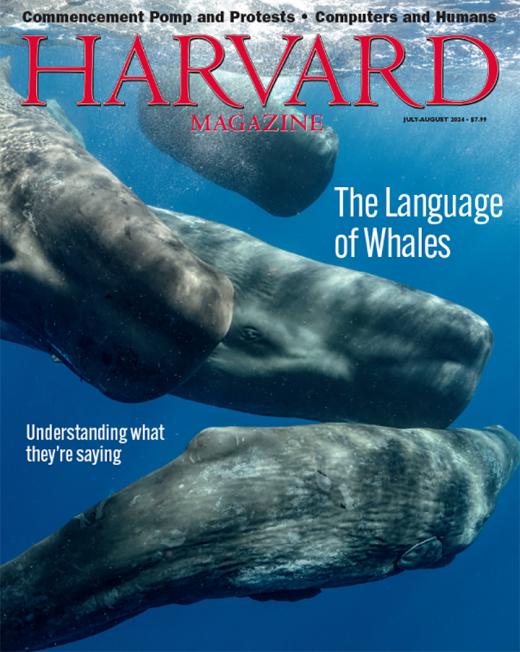
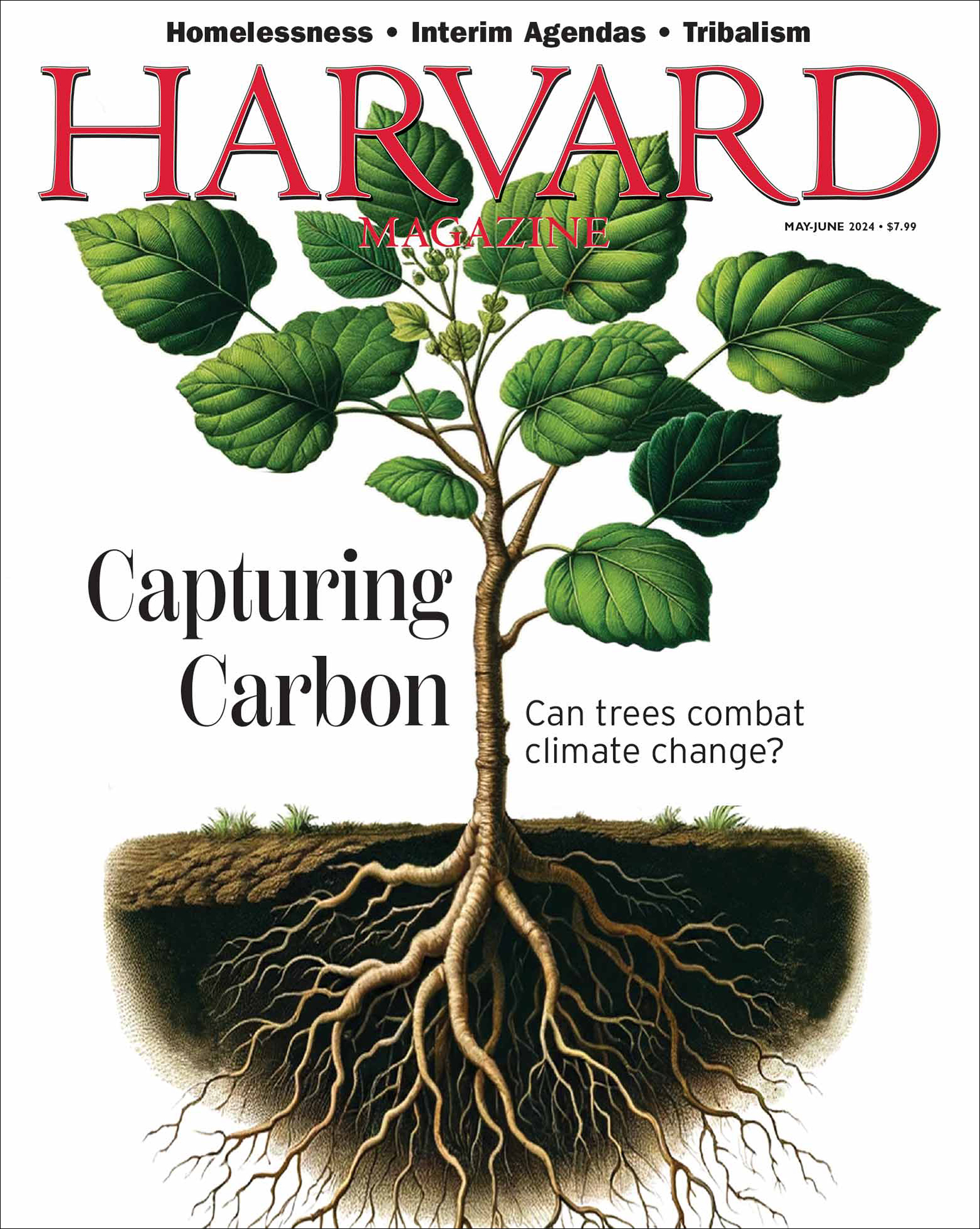
How long will the world’s forests impound carbon below ground?
by Jonathan Shaw
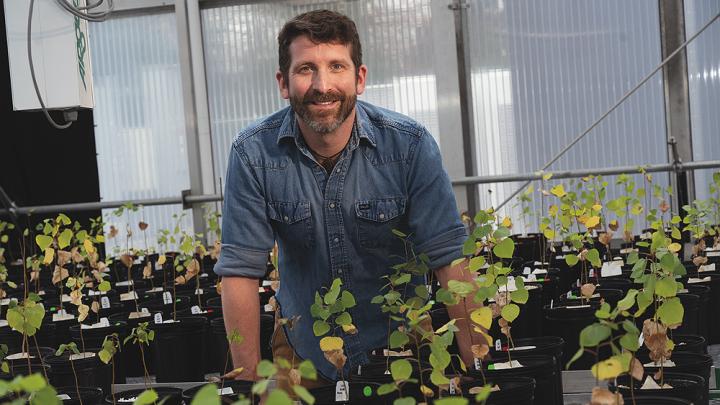
MARYVILLE, Tennessee, lies near the foothills of the Great Smoky Mountains, a range home to more tree species than exist in all of Europe. Benton Taylor grew up amidst this abundance, but as a boy, he barely noticed the plants. In the nearby national park, a family friend was raising—together with a menagerie of other mammals—a pair of bears orphaned as cubs. Taylor dreamed of studying these apex denizens of the forest, who forage at the top of the food chain. But as his education and understanding grew, his curiosity shifted to seed-dispersing animals, plants, and the soil and nutrients that sustain them: a trip down the trophic pyramid, driven by an appreciation of forests as ecological systems in which plants are primary producers. “Now I’ve half moved into the basement,” jokes the assistant professor of organismic and evolutionary biology, whose research encompasses the strategies plants use to obtain essential nutrients such as nitrogen, and how that, in turn, affects their ability to store another vital element with a global climate impact: carbon.
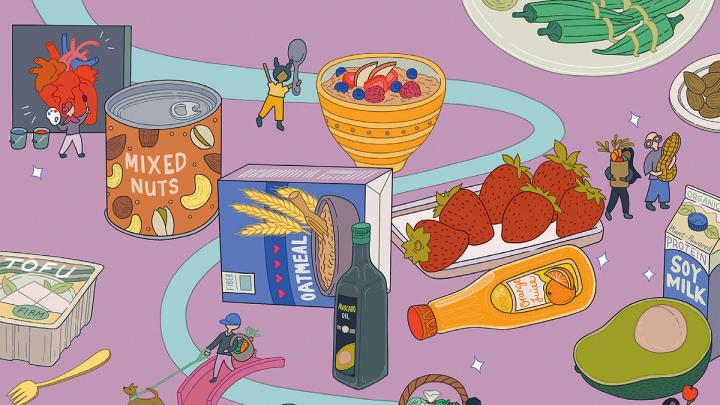
DIVERSIFYING one’s assets is useful not only in finance but also in diet, according to an October study from the Harvard T.H. Chan School of Public Health (HSPH). Though not many people have heard of the “portfolio diet”—consisting of plant-based foods proven to lower unhealthy cholesterol, such as nuts, oats, berries, and avocados—it is one of the easiest ways to improve long-term cardiovascular health. “The idea was that each of these foods lowers cholesterol quite minimally, but if you make a whole diet based on these different foods, you will see large reductions in [unhealthy] cholesterol,” said Andrea Glenn, an HSPH postdoctoral research fellow in nutrition and the lead author of the study. The more of these foods one eats, the higher the protection—but one need not include them all to reap the diet’s benefits, she said. “Like a business portfolio, you can choose the ones you want.”
Tufts Health & Nutrition Letter (APRIL 2024): The new issue features 5 Ways to ID Ultraprocessed Foods; Should You Eat Gluten Free?; Q&A: Daily Food Choices and Myth: Carbs and Weight…









 The Economist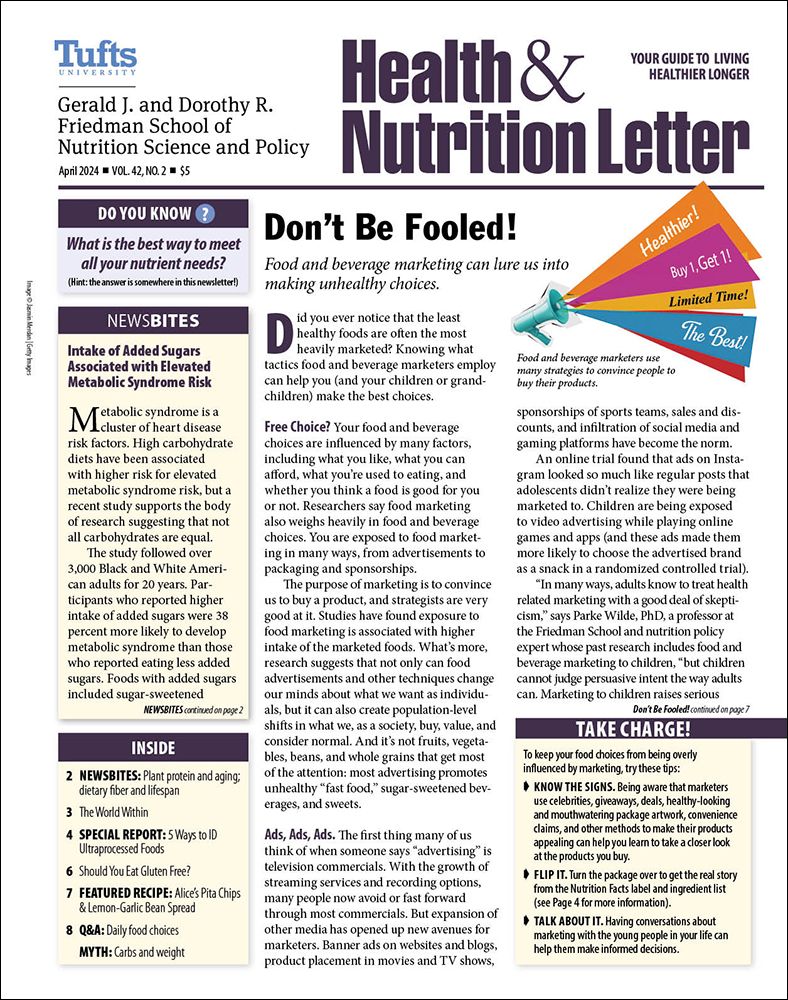
 Boomers Daily

