

From a Harvard Medical School “Harvard Heart Letter”:
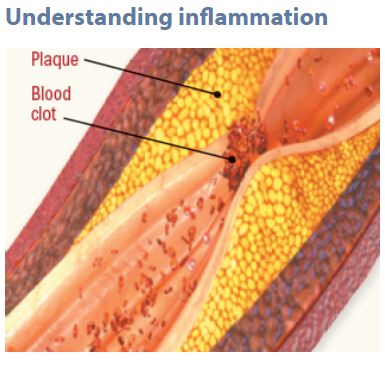 Chronic inflammation often begins with a similar cellular response but morphs into a lingering state that persists far longer. Toxins such as cigarette smoke or an excess of fat cells (especially around the belly area) can also trigger inflammation. So can the fatty plaque inside arteries, which causes inflammatory cells to cover and wall off the plaque from the flowing blood. But the plaque may rupture, mingle with blood, and form a clot. These clots are responsible for the majority of heart attacks and most strokes.
A buildup of cholesterol-rich plaque inside arteries — known as atherosclerosis — is the root cause of most heart attacks and strokes. Researchers have long recognized that chronic inflammation sparks this artery-damaging process (see “Understanding inflammation”). Now, they’re zeroing in on better ways to tackle that aspect of the problem.
Addressing inflammation is vital. Even when people take steps to lower their risks for heart disease, such as reducing their cholesterol and blood pressure, they may still face life-threatening cardiovascular events.
Click on following link to read more: https://www.health.harvard.edu/heart-health/new-insights-about-inflammation



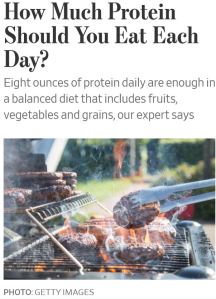 Unlike carbohydrates or fats, proteins are the only nutrients that can be used to build new cells that can form tissue, said Dr. Walter, a registered dietitian.
 I once witnessed the care of a patient who suffered from chronic obstructive pulmonary disease, which blocks airflow to lungs and makes it difficult to breathe. Over the course of a particularly hot Texas summer, he was admitted to the hospital time and time again—racking up more than $60,000 in medical expenses. Doctors were treating his breathing problems repeatedly, but they did not understand why the patient continued to have trouble.
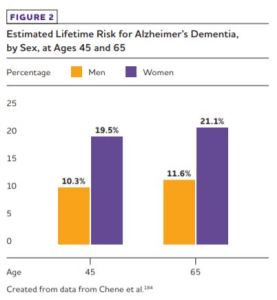 Scientists are beginning to understand why Alzheimer’s disease affects more women than men and why the disease seems to progress more quickly in women’s brains.

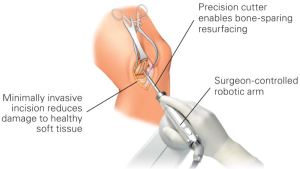 “Knee replacement is increasing in frequency, and it has an associated substantial cost implication to any health-care provider. It is also essential that patients receive the most efficacious operation for this condition. Before our study, and despite several cohort-based reports, knowledge of whether one operation type is superior, remained uncertain. Our 5-year study has indicated that both TKR and PKR are beneficial interventions but, based on our combined clinical and cost-effectiveness data and providing the operation is performed by those with adequate experience, we recommend that PKR should be offered as the treatment of choice for late-stage isolated medial compartment osteoarthritis of the knee.
 Costochondritis is caused by inflammation of the cartilage between the ribs and the breastbone, called the costosternal joints (see illustration). This uncommon condition can trigger a stabbing, aching pain that’s often mistaken for a heart attack.
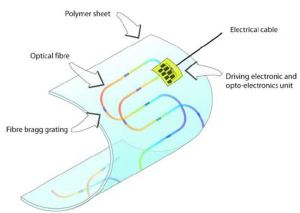 Thin, soft electronic systems that stick onto skin are beginning to transform health care. Millions of early versions

 “Living a healthy lifestyle may help offset a person’s genetic risk of dementia, according to new research.
 Boomers Daily