Love Novel by Ivana Sajko, translated by Mima Simić
Paradais by Fernanda Melchor, translated by Sophie Hughes
Marzahn, Mon Amour by Katja Oskamp, translated by Jo Heinrich
Em by Kim Thúy, translated by Sheila Fischman
The Dublin Literary Award is presented annually for a novel written or translated into English. Books are nominated for the award by invited public libraries in cities throughout the world, making the award unique in its coverage of international fiction.
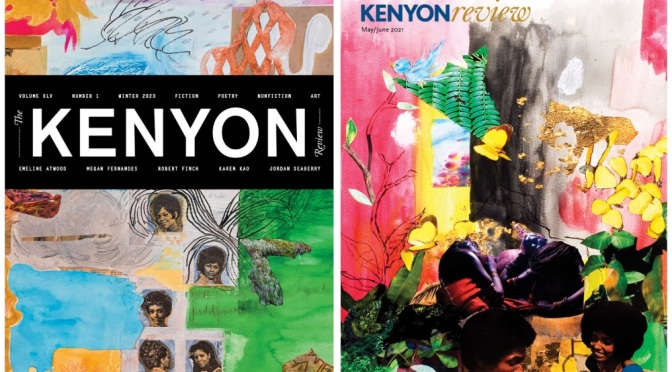
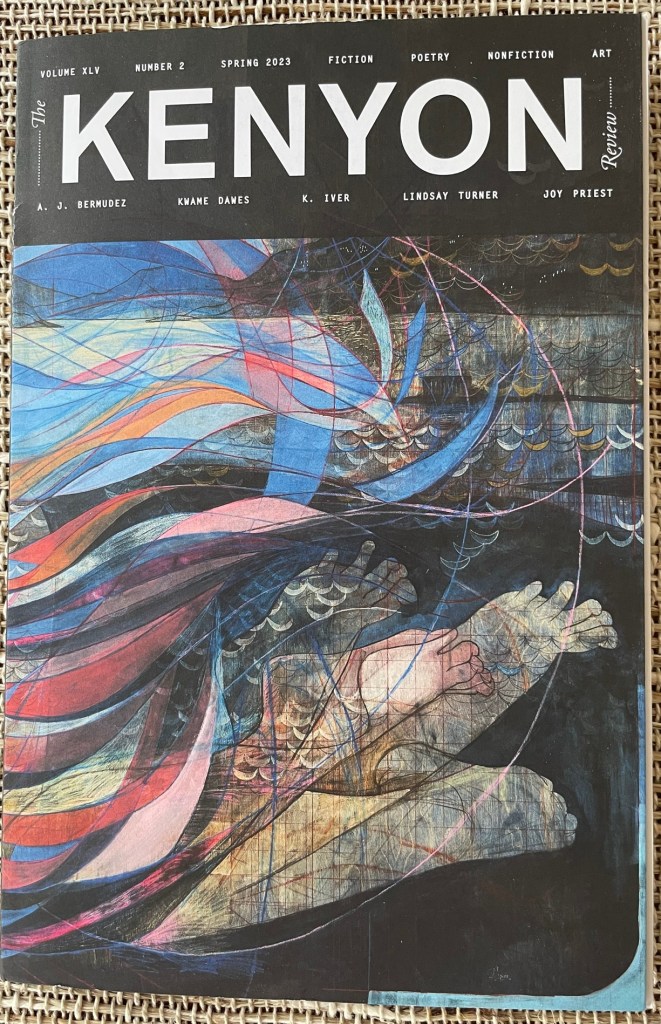
Kenyon Review – Spring 2023 issue includes a folio of literature in translation guest edited by award-winning translators Jennifer Croft, Anton Hur, and Jeremy Tiang. The issue also includes poetry by Kwame Dawes, Timothy Donnelly, K. Iver, and Danusha Lameris; fiction by Sam J. Miller, Michael Tod Powers, J. T. Sutlive, and Lindsay Turner; nonfiction by A. J. Bermudez; and the winner of the 2022 Short Fiction Contest, judged by Karen Russell. The cover art is by Pamela Phatsimo Sunstrum.
“A Field Guide to the Bear-Men of Leningrad” : a rare non-speculative thing from me, about boyhood & masculinity & human monstrosity in 1930s Russi… https://instagr.am/p/CqDkW1jsCI5/
Margaret Atwood’s new book is “Old Babes in the Wood.”Credit…Arden Wray for The New York Times
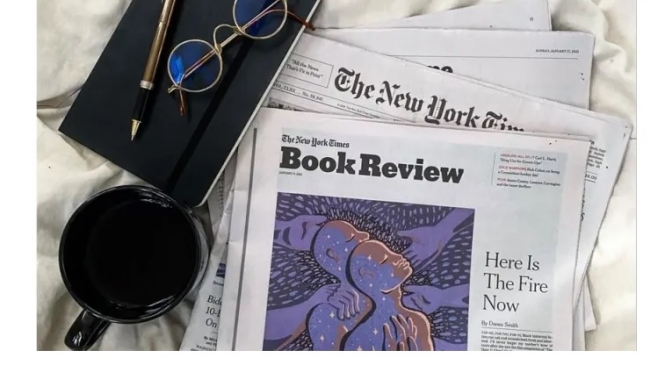
Her new story collection, “Old Babes in the Wood,” offers elegiac scenes from a marriage plus a grab bag of curious fables.
There are authors we turn to because they can uncannily predict our future; there are authors we need for their skillful diagnosis of our present; and there are authors we love because they can explain our past. And then there are the outliers: those who gift us with timelines other than the one we’re stuck in, realities far from home. If anyone has proved, over the course of a long and wildly diverse career, that she can be all four, it’s Margaret Atwood.
Michael Lesy’s book of historical photographs and found text offers a singular portrait of American life.
Michael Lesy’s 1973 book “Wisconsin Death Trip” is an American oddity, a cult classic for a reason. In a way that few documentary texts do, it makes us leave the baggage of modernity at the trailhead. It forces us back into the inconceivably long nights in rural and small-town America before the widespread use of electricity, before radio, before antibiotics for dying children and antidepressants for anxiety bordering on mania, when events could make a family feel that some nocturnal beast had chalked its door.
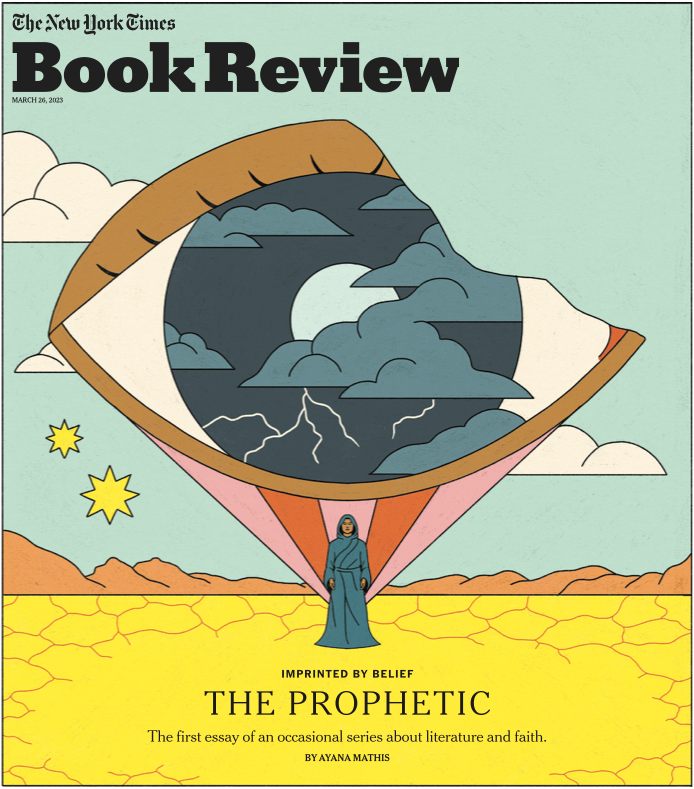
The first installment of an essay series on American literature and faith.
I am a child of the church. In an early memory, I am 6 years old, half-asleep in the back of my grandparents’ station wagon on the way home from a revival…
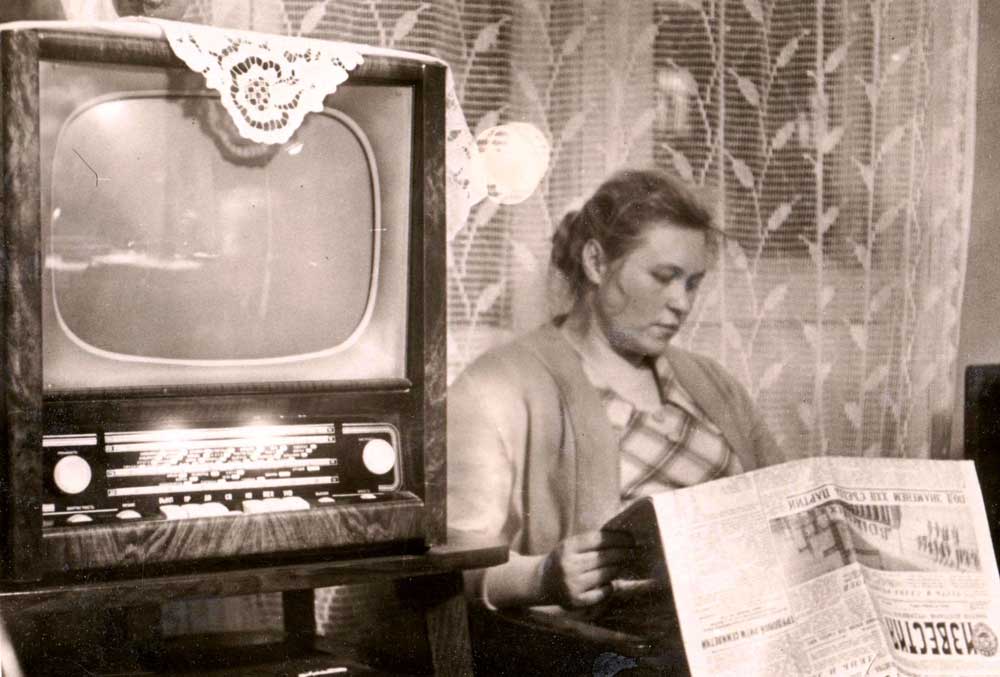
‘The ‘Belarus-5’ in an ordinary Soviet house,’ photographed in the 1960s.
Americanised globalisation and the new world of Russian business in the 1990s.
In the 1990s, a version of the satirical puppet show Spitting Image arrived on Russian television. A Muscovite once told the story of his father, who took great care to record every episode on VHS.
A Nation of Descendants: Politics and the Practice of Genealogy in US History by Francesca Morgan.
In A Nation of Descendants: Politics and the Practice of Genealogy in U.S. History(University of North Carolina Press, 2021), historian Francesca Morgan tracks Americans’ obsession with tracing family ancestry. Morgan sheds light on the evolution of genealogical knowledge from the early republic to the present day. Although our New Books Network conversation concentrates on African Americans, in her text, she looks explicitly at how Anglo-American white, Mormon, Jewish, African American, and Native American people wrestled with locating and documenting their kin and ultimately shaped the practice of genealogy. A Nation of Descendants also explores the transformation of genealogical practices as it becomes commercialized and commodified.
Pirates have long lived in the realm of romance and fantasy, symbolizing risk, lawlessness, and radical visions of freedom. But at the root of this mythology is a rich history of pirate societies―vibrant, imaginative experiments in self-governance and alternative social formations at the edges of the European empire.
My husband doesn’t enjoy peeling oranges. He doesn’t like the little white webs of pith or the way the juice trickles between his fingers and soaks and stains the skin. He’s not a fan of pips. The citrus-sweet taste he could take or leave. If I had to choose between him and my favourite fruit, I like to think I’d stick with him.
On this episode of The London Magazine Podcast, we speak with Max Wilkinson.Max is a playwright and screenwriter whose award-winning play, Rainer, about a voyeuristic delivery rider riding around London, played at the Arcola Theatre last summer and is being produced for BBC Radio Four’s Afternoon play slot.
When Clare wakes, the car is moving along a wide valley between fields of grazing cattle. She shifts in her seat, her side sweaty where her brother Robbie has been leaning against her. The last thing she remembers is crossing into Austria at a high pass, a young border guard peering in at them through the drizzle. Now the sun is out, and the tarmac is steaming in the heat. At a junction, her father slows down. ‘This is it,’ he says, turning the car. They pass through a village, all whitewashed houses with large overhanging roofs. In the deserted square is a small inn, Der Jäger painted across one wall in beautiful gothic script. Next to the lettering is a twenty-foot-high figure of a hunter in Tyrolean leather trousers and green hat, striding across a mountain side. Clare notices that he has the same jaw as John Travolta in Grease.
From the Romans to the Russians, monarchies that at one time seemed all powerful have come crashing down as a result of violence, political manoeuvring or the will of the people. Danny Bird charts the downfall of 10 kingdoms and empires throughout history
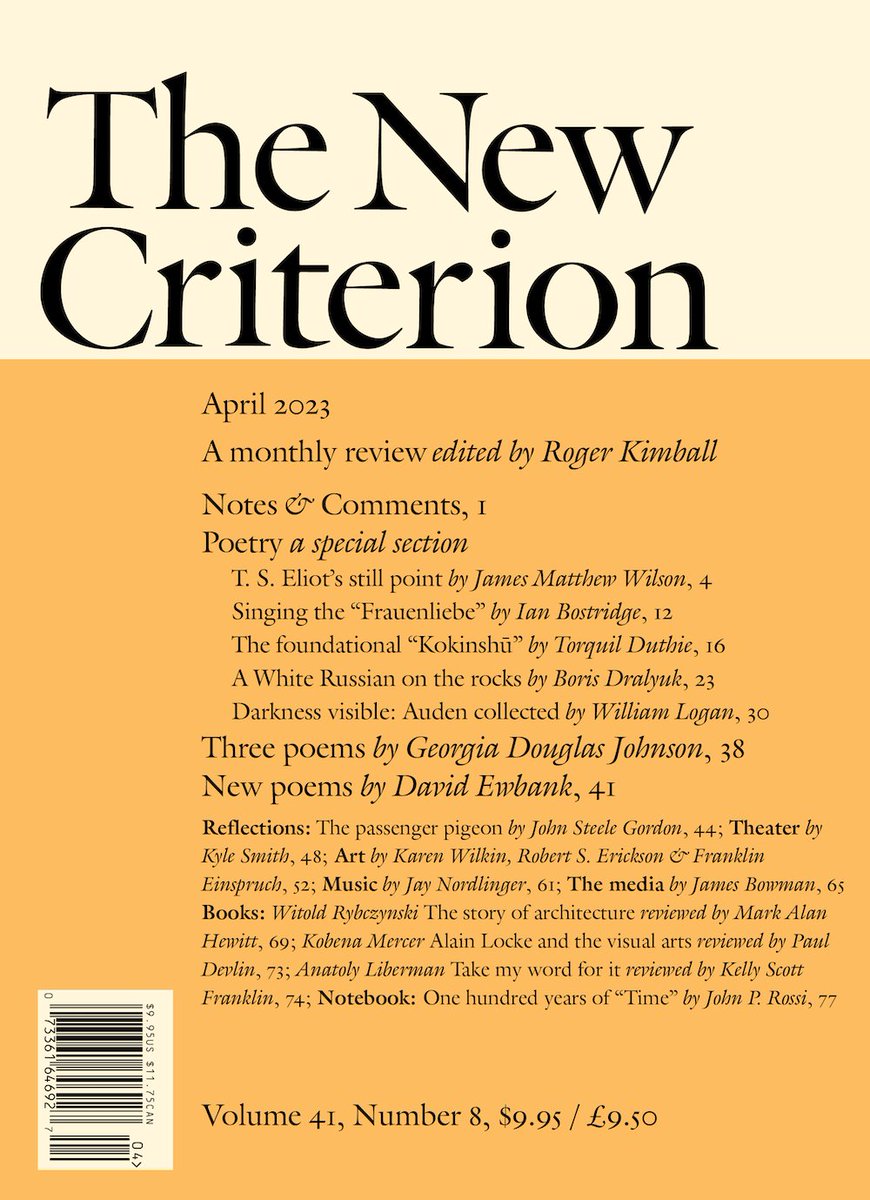
Poetry a special section T. S. Eliot’s still point by James Matthew Wilson Singing the “Frauenliebe” by Ian Bostridge The foundational “Kokinshu” by Torquil Duthie A White Russian on the rocks by Boris Dralyuk
Darkness visible: Auden collected by William Logan
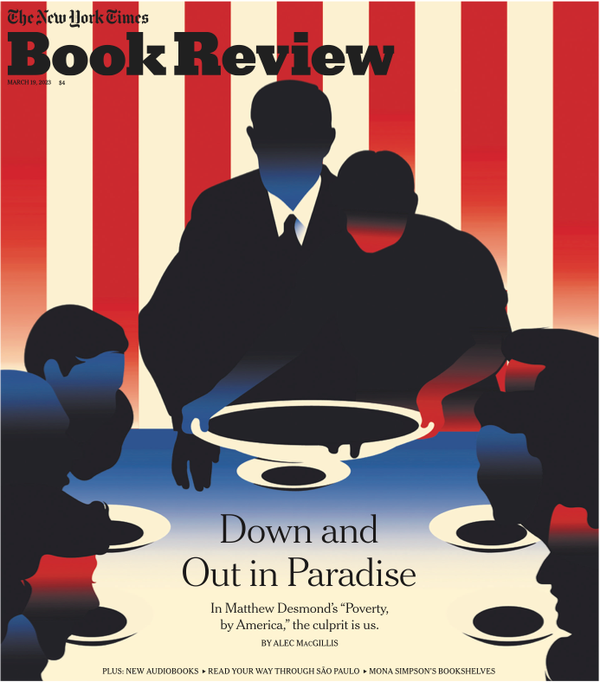
The new book by the sociologist and author of “Evicted” examines the persistence of want in the wealthy United States, finding that keeping some citizens poor serves the interests of many.
The fashion world’s hunger for larger-than-life figures glorified the designer. But a cozy new biography shows him to be more business whiz than artist.
News, Views and Reviews For The Intellectually Curious





















 Boomers Daily