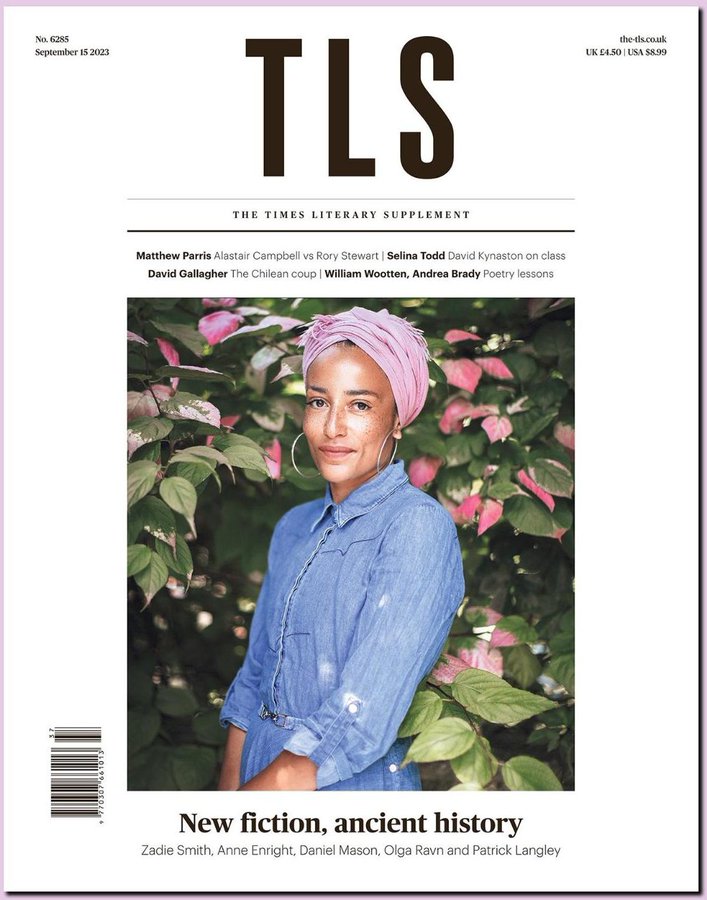
Times Literary Supplement (September 15, 2023): The new issue features what connects the novelist William Harrison Ainsworth, the Tichborne Trial and life on a sugar plantation in Jamaica? In a New Yorker essay Zadie Smith spelt out the preoccupations of The Fraud, her novel set in the Victorian era, as “fake identities, fake news, fake relationships, fake histories”. Ainsworth, in Smith’s view, was a fraud as a historical novelist.
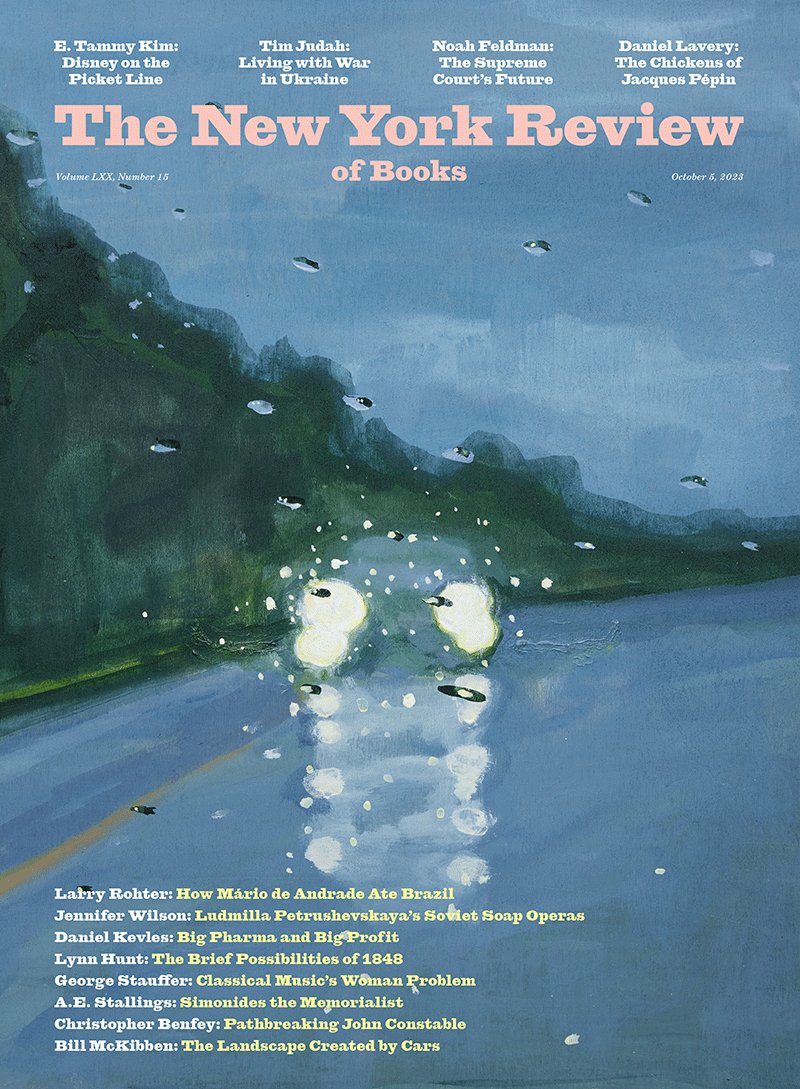
The New York Review of Books (October 5, 2023) – The new issue features Jennifer Wilson on Ludmilla Petrushevskaya’s unsettlingly funny tales of domestic un-bliss, Tim Judah on the new normal in Ukraine, Daniel M. Lavery on Jacques Pépin, E. Tammy Kim on the 1941 Disney animators’ strike, Christopher Benfey on John Constable, Bill McKibben on a planet smothered in asphalt, Lynn Hunt on the revolutions of 1848, Noah Feldman on the Supreme Court’s conservative bloc, A.E. Stallings on Simonides, poems by Devin Johnston and Claire DeVoogd, and much more.
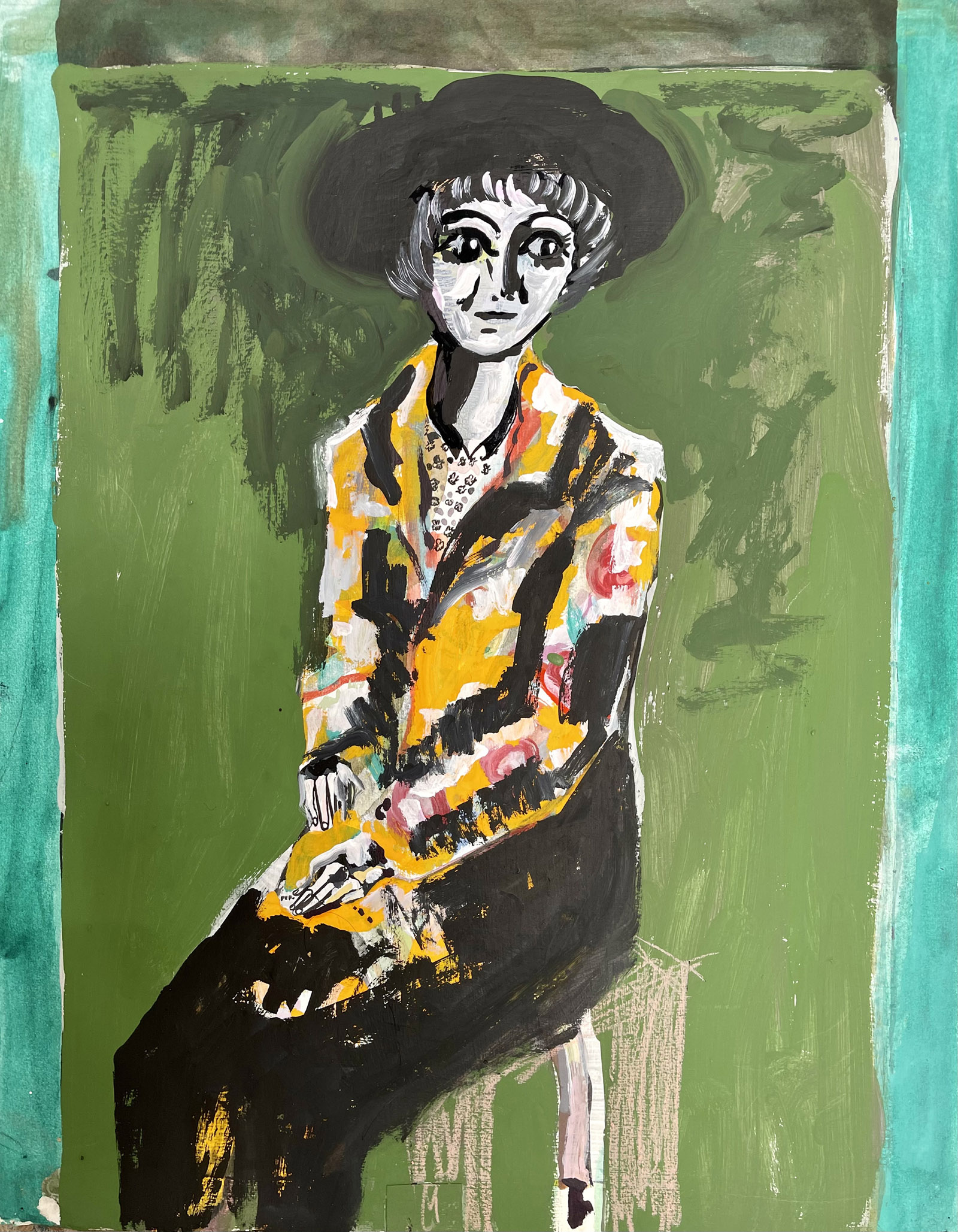
Some months ago I was having dinner with a writer from Moscow. I told him I was thinking of reviewing a new translation of Ludmilla Petrushevskaya’s Kidnapped, a Bollywood-inspired novella that pays homage to the Soviets’ love of Indian cinema. “Don’t do it,” he—a friend of hers—warned me. “If she doesn’t like what you write, she will turn you into a character in one of her stories—the stupid girl in New York who doesn’t know anything.” Being a longtime admirer of Petrushevskaya, I wasn’t too worried: realism is not her thing.
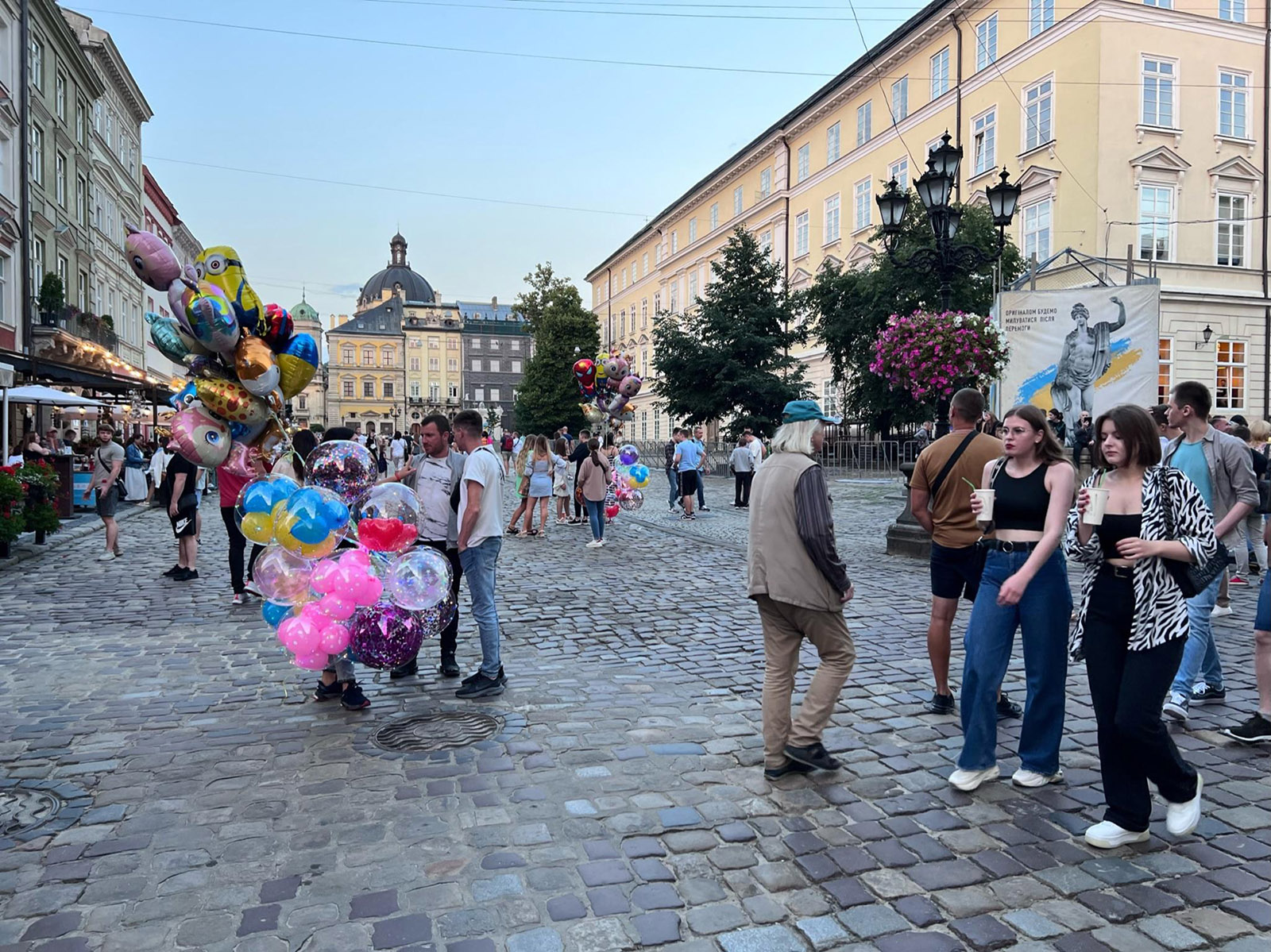
On August 8 I went to the Jellyfish Museum in Kyiv. During my previous visits to the city, it had been closed because of the war. Now it has reopened. In the gloom the fantastical creatures drifted about in their tanks while couples, friends, and families drifted about happily looking at them. In Kharkiv, in eastern Ukraine close to the Russian border, the Half an Hour café, where I wrote for a couple of days before Russia launched its full-scale invasion on February 24, 2022, has also just reopened.
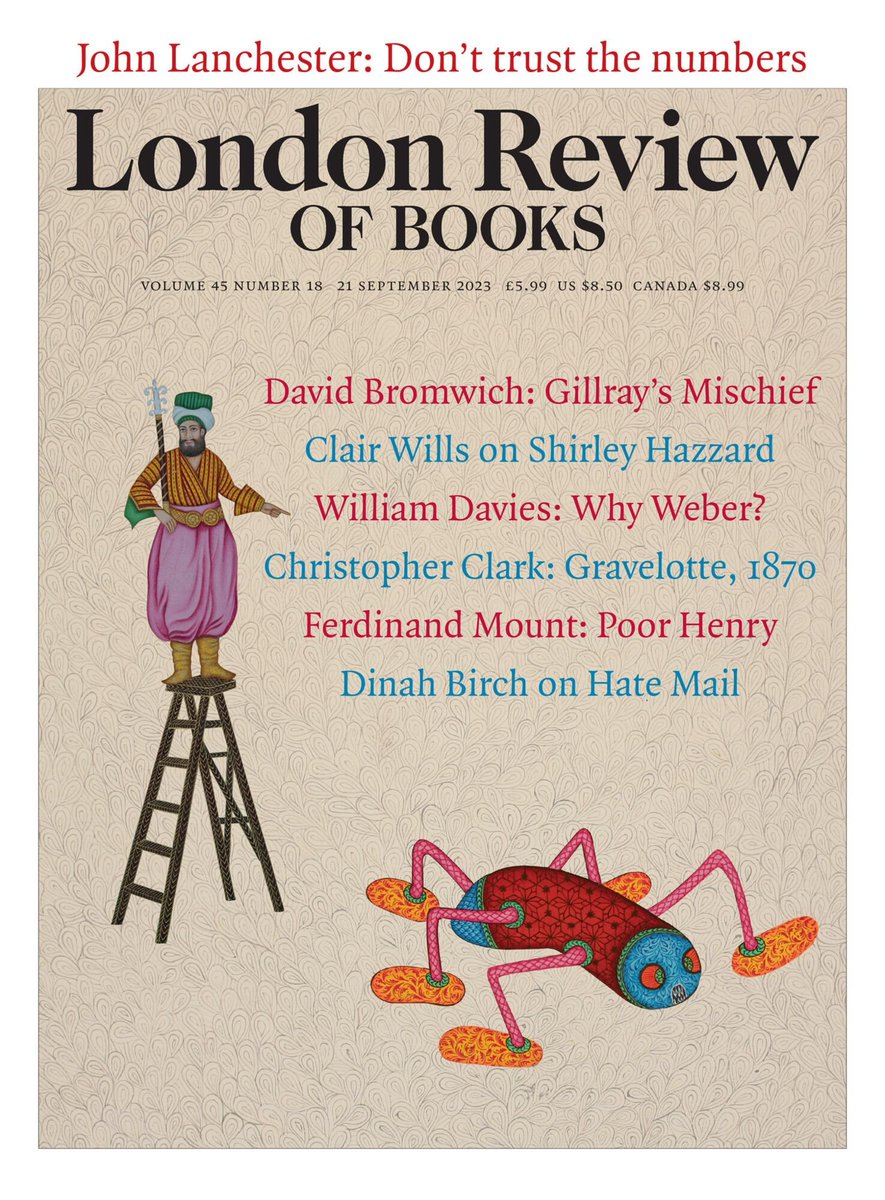
London Review of Books (LRB) – September 21, 2023: The new issue features John Lanchester on statistics, William Davies on Weber, nihilism and universities @dlbirch1 on hate mail, Ferdinand Mount on Henry III Clair Wills on Shirley Hazzard and a cover by Alexander Gorlizki.
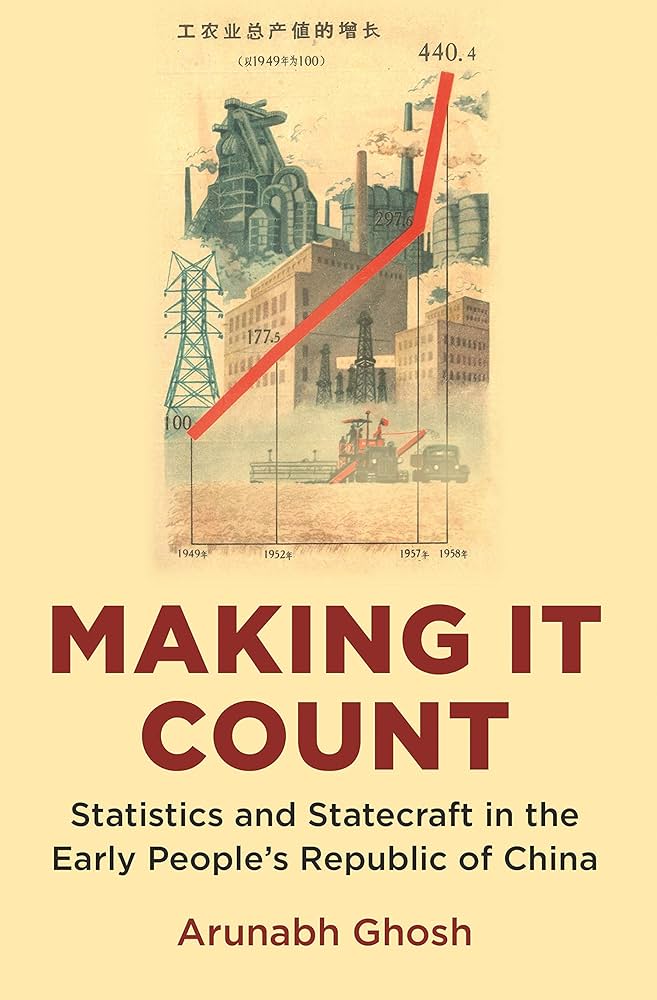
Making It Count: Statistics and Statecraft in the Early People’s Republic of China (Histories of Economic Life, 10) by Arunabh Ghosh
At a dinner with the American ambassador in 2007, Li Keqiang, future premier of China, said that when he wanted to know what was happening to the country’s economy, he looked at the numbers for electricity use, rail cargo and bank lending. There was no point using the official GDP statistics, Li said, because they are ‘man-made’. That remark, which we know about thanks to WikiLeaks, is fascinating for two reasons. First, because it shows a sly, subtle, worldly humour – a rare glimpse of the sort of thing Chinese Communist Party leaders say in private. Second, because it’s true. A whole strand in contemporary thinking about the production of knowledge is summed up there: data and statistics, all of them, are man-made.
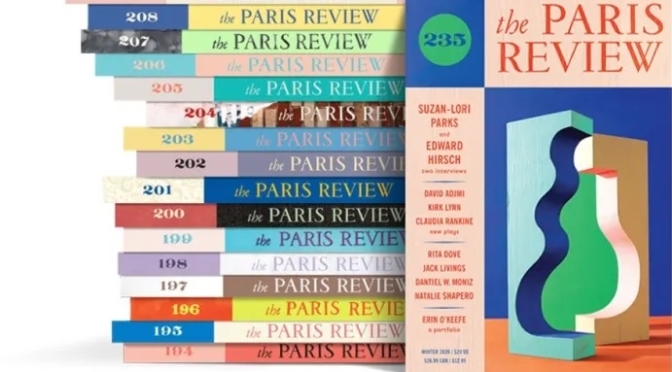
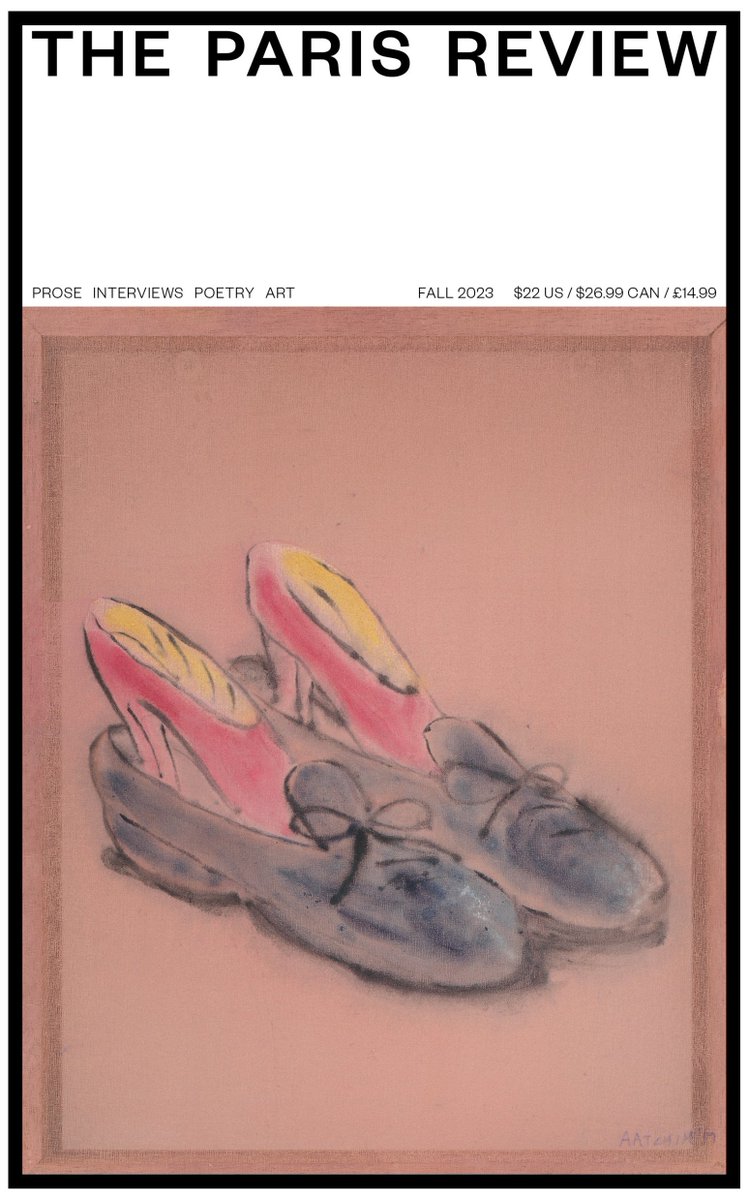
Paris Review Fall 2023 — The new issue features Robert Glück on the Art of Fiction: “When people would ask me—and sometimes they did—to write about them, I’d reply, ‘First, break my heart.’”; Lynn Nottage on the Art of Theater: “I embrace the fact that I write plays that are popular. Audiences make their own decisions.”
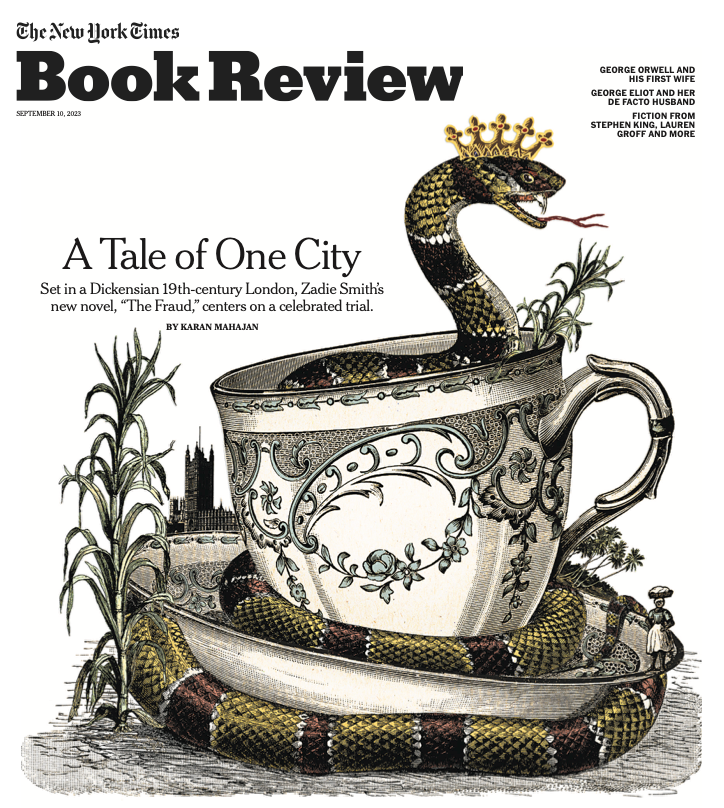
Her new novel, “The Fraud,” is based on a celebrated 19th-century criminal trial, but it keeps one eye focused clearly on today’s political populism.
By Karan Mahajan
All over the dorm in California glinted pale-orange and tabasco-red and steel-blue copies of Zadie Smith’s “White Teeth,” with their hard white bright lettering. The year was 2001, and “White Teeth” had been assigned as incoming reading for my freshman dorm. I remember loving the sprawling, rude, funny, slapdash narration, the magical way in which Smith brought it all together in the figure of a genetically engineered mouse.
“The Vaster Wilds” follows a girl’s escape from a nameless colonial settlement into the unforgiving terrain of America.
By Fiona Mozley
Jamestown, Va., the first permanent English settlement in the Americas, very nearly didn’t survive. A few years into its existence, in the early 1600s, the majority of the population had succumbed to famine and disease. The period known as the Starving Time has taken on allegorical status. Jamestown is the colony that tried too much too soon; that underestimated the harsh climate, the foreign land, its existing, Indigenous population. Pilgrims went in search of heaven and found hell.
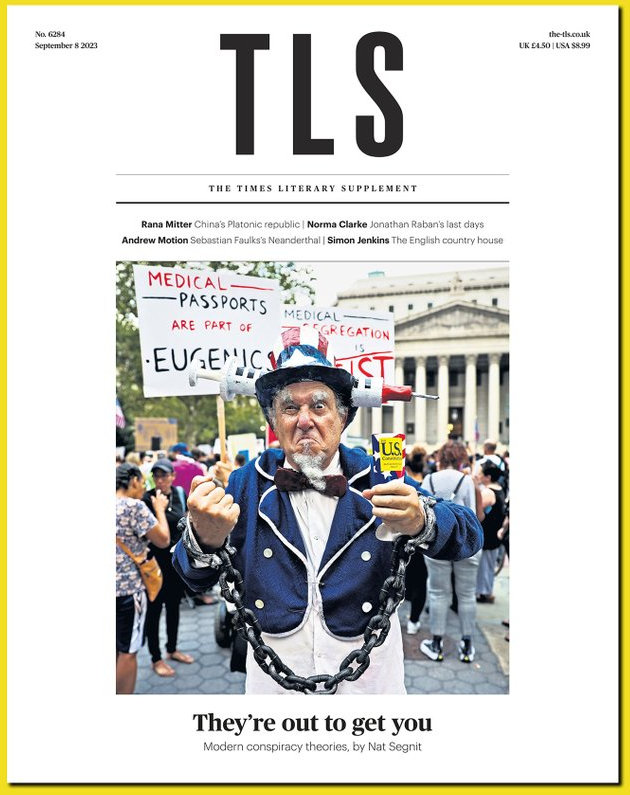
Times Literary Supplement (September 8, 2023): The new issue features Modern conspiracy theories, China’s Platonic republic, Jonathan Raban’s last days, Sebastian Faulks’s Neanderthal, the English country house, and more….
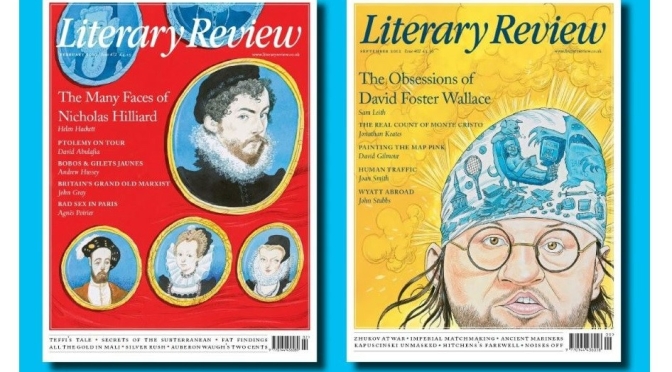
Literary Review – September 2023: The new issue features Yoga Goes To Hollywood by Dominic Green; How England Lost France; Who’s Afraid of AI?; Don’t Mention Tiananmen; Anne Boleyn’s Ascent and Tastes of China….
Turning Points: Crisis and Change in Modern Britain, from 1945 to Truss By Steve Richards
In the good old days, dates were for foreigners. France, to take the obvious example, had repeatedly been turned upside down by war, revolution and changes of regime. But the English tourist in Paris rarely bothered to find out which of these distasteful events might be commemorated by, say, the rue du Quatre Septembre. The history of England (this was less true of Scotland and not at all true of Ireland) was a smooth and mostly benign progression. Educated people could tell you what the Glorious Revolution was but might be hazy about when exactly it had happened.
The Handover: How We Gave Control of Our Lives to Corporations, States and AIs By David Runciman
Artificial intelligence, it is commonly acknowledged, will pose one of the gravest challenges to humanity in the coming years. In the minds of some, it is already the most urgent problem we face. While there are a number of possible dangers that might bring about the extinction of our species, AI confronts us with a particularly dire situation, because it may well be that we have only a brief amount of time – perhaps a generation – in which to set up norms and constraints on the development of autonomous, non-human intelligences that may otherwise escape our control.
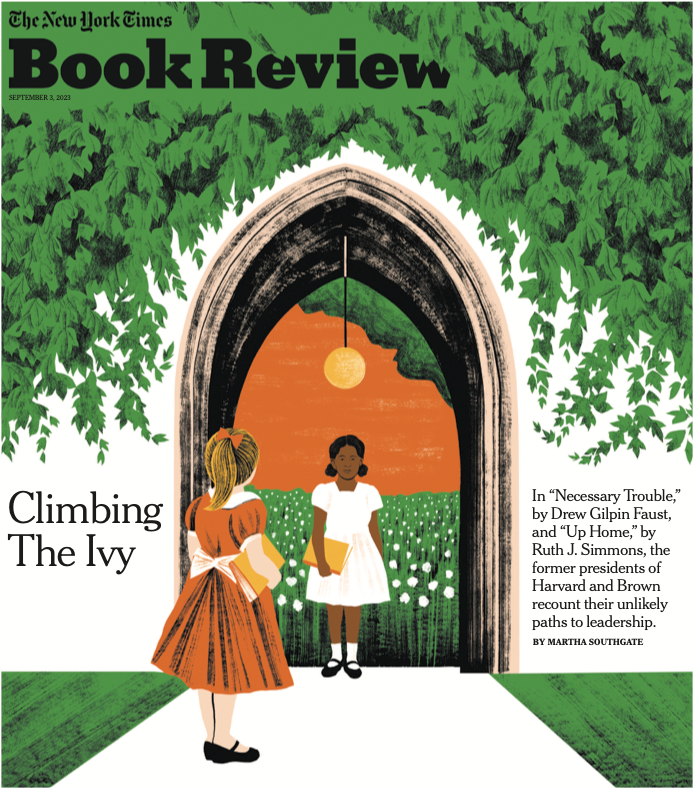
THE NEW YORK TIMES BOOK REVIEW (September 3, 2023): The new issue features “THE EXHIBITIONIST“, a barbed comic novel about a midwardly mobile London family by Charlotte Mendelson; “THE GUEST“, by Emma Cline, “about one woman’s week of lying, scamming and conning her way through the Hamptons; CROOK MANIFESTO, the sequel to Colson Whitehead’s 2021 novel “Harlem Shuffle” (and the middle volume of a planned trilogy), and more….
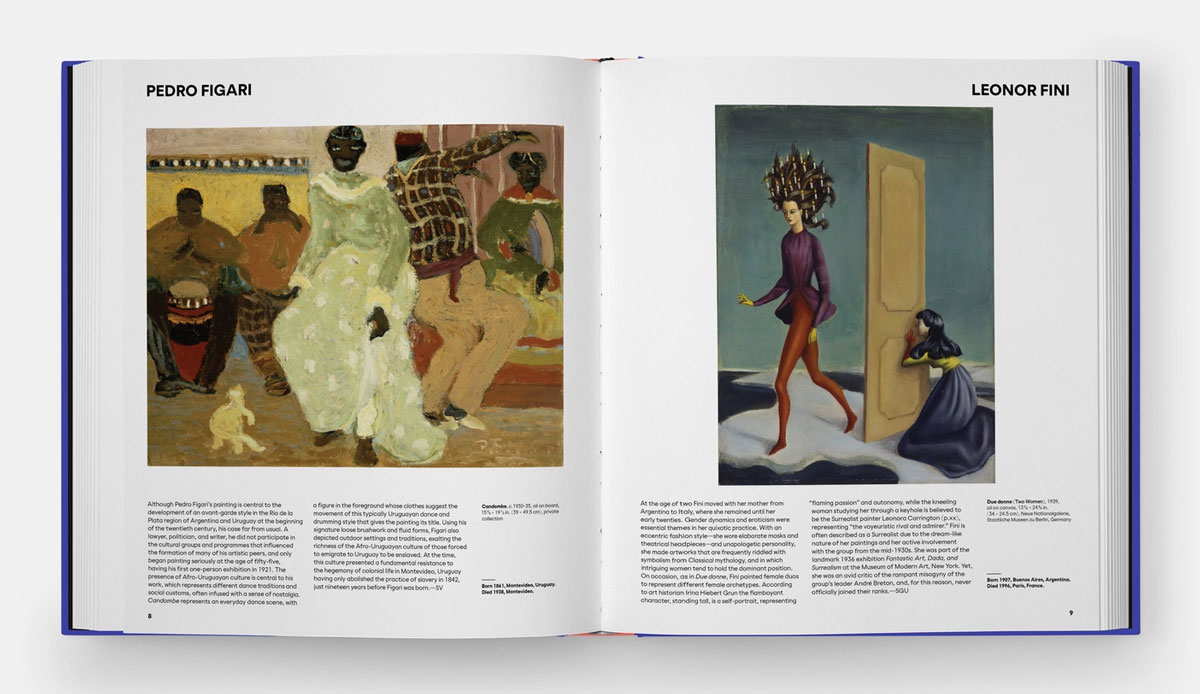
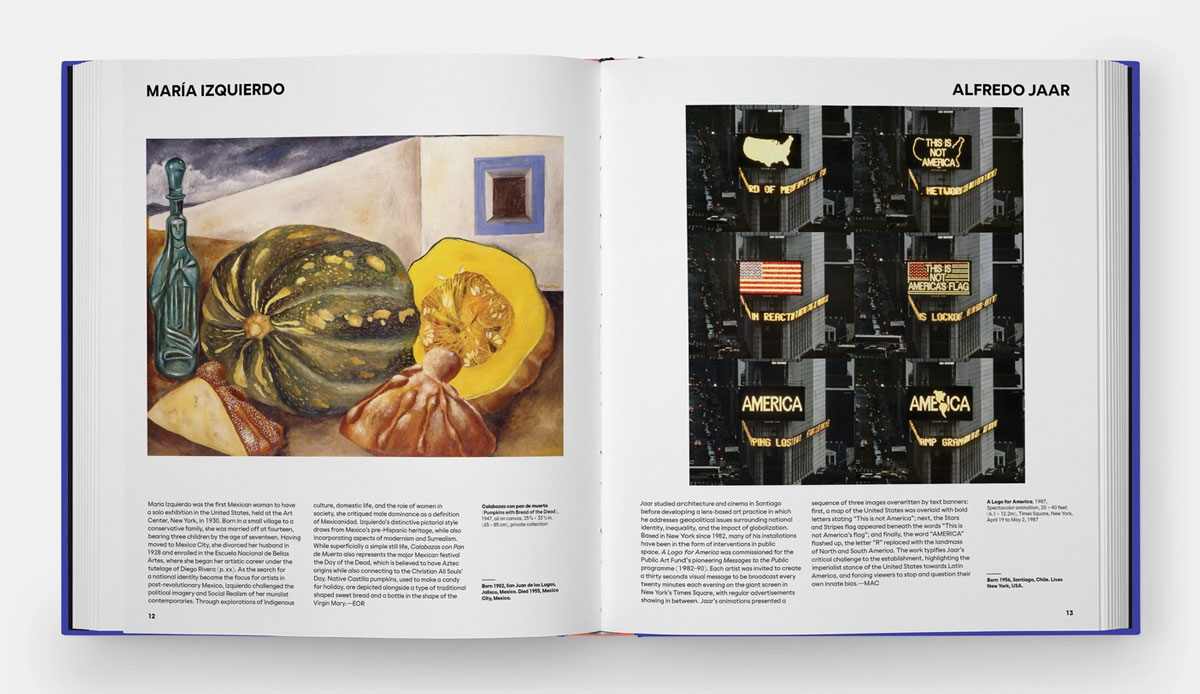
The essential survey showcasing the work of more than 300 modern and contemporary artists born or based in Latin America
Latin American artists have gained increasing international prominence as the art world awakens to the area’s extraordinary art scenes and histories. In an accessible A-Z format, this volume introduces key artworks by 308 artists who together demonstrate the variety and vitality of artwork being made.
Artists featured include: Allora and Calzadilla, Manuel Alvarez Bravo, Francis Alÿs, Olga de Amaral, Fernando Botero, Leonora Carrington, Lygia Clark, Carlos Cruz-Diez, Leonor Fini, Gego, Felix Gonzalez-Torres, Carmen Herrera, Graciela Iturbide, Alfredo Jaar, Frida Kahlo, Guillermo Kuitca, Wifredo Lam, Teresa Margolles, Marisol, Cildo Meireles, Ana Mendieta, Beatriz Milhazes, Ernesto Neto, Hélio Oiticica, Gabriel Orozco, José Clemente Orozco, Diego Rivera, Zilia Sánchez, David Alfaro Siqueiros, Cecilia Vicuña, Adrián Villar Rojas and Faith Wilding.



















 Boomers Daily