

From a Wall Street Journal book review:
 When Diana, Princess of Wales, attended the Met’s Costume Institute Gala in 1996, a black-tie-clad Mr. Barelli was at her side. “I wasn’t nervous, but the pressure!” he said. “You don’t want anything to go wrong.” The princess had one request: that he keep an eye on the black lace shoulder straps of her midnight blue Dior dress and adjust them if they slipped. “I almost told her: ‘Yeah, right, I have to touch your dress.’ That’s all I have to do. I think my wife would be a little upset,” he recalled. There was no wardrobe malfunction and the evening went off without a hitch, although Mr. Barelli remembers security concerns putting a damper on the fun-loving princess. “We couldn’t let her dance,” he said.
Mr. Barelli, now 70 years old, devoted much of his tenure to less-glamorous work, such as disposing of artifacts from would-be donors. In 2007, a curator in the Department of the Arts of Africa, Oceania, and the Americas received two shrunken human heads in the mail. The cardboard box had no return address, just a note donating the contents, which the sender said had come from friends in Ecuador. “They did have an odor,” said Mr. Barelli, who ultimately consigned the package to the city morgue.
To read more click on the following link: https://www.wsj.com/articles/royalty-a-naked-visitor-and-shrunken-heads-at-the-met-11565521202


 The Glass House, designed by architect Philip Johnson in 1949, when floor-to-ceiling windows were a novelty even in office buildings, is a work of art in itself. But there’s much more art to be found on the lush grounds of this famous home in New Canaan, Connecticut. Amble on over to the Painting Gallery, which houses large-scale works by Frank Stella, Andy Warhol, Robert Rauschenberg, and Cindy Sherman, among others, or the Sculpture Gallery, featuring works by such artists as Michael Heizer, George Segal, Frank Stella, and Bruce Nauman.

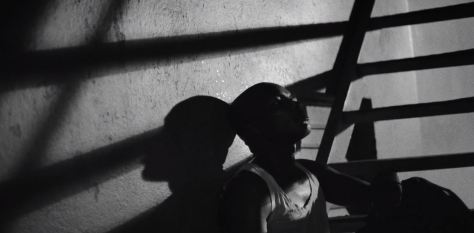

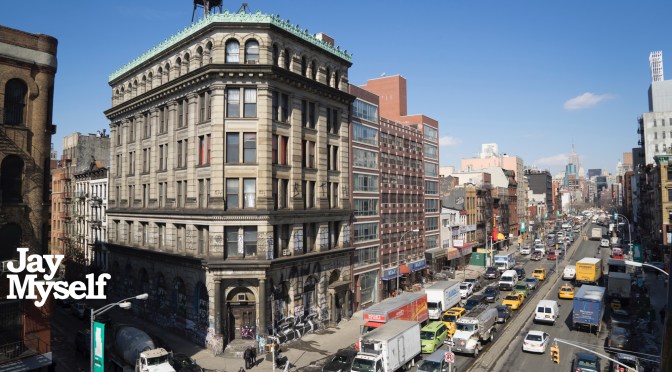
 JAY MYSELF documents the monumental move of renowned photographer and artist, Jay Maisel, who, in February 2015 after forty-eight years, begrudgingly sold his home—the 36,000 square-foot, 100-year-old landmark building in Manhattan known simply as “The Bank.” Through the intimate lens of filmmaker and Jay’s protégé, noted artist and photographer Stephen Wilkes, the viewer is taken on a remarkable journey through Jay’s life as an artist, mentor, and man; a man grappling with time, life, change, and the end of an era in New York City.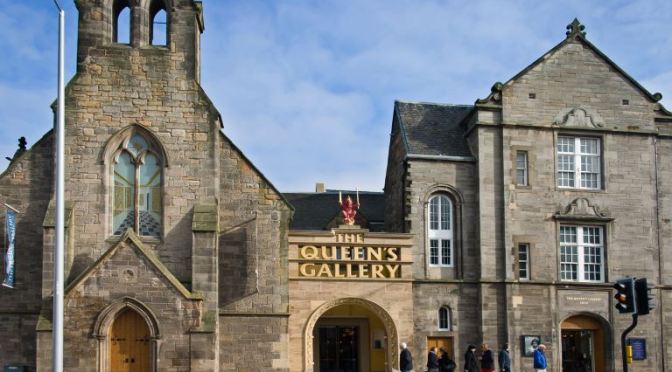
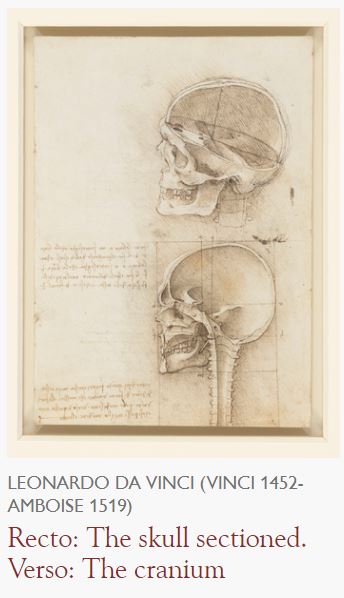 The 200 pages on display at the Queen’s Gallery, Buckingham Palace, have been together since the artist’s death. They were bound by the sculptor Pompeo Leoni in about 1590 and entered the Royal Collection during the reign of Charles II. Some of his most iconic images are here, including his study of a foetus in the womb, made as part of a treatise on anatomy that came close to being finished, but was never published.

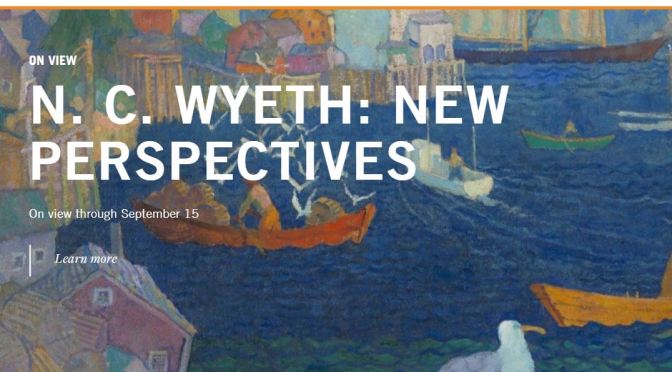
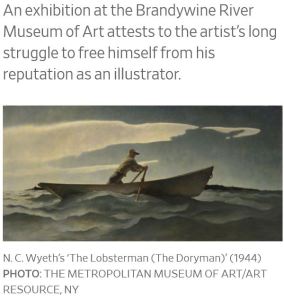 In some cases, Wyeth’s images bore into memory as sharply as the books they illuminate. I’m thankful I never saw Wyeth’s “Captain Nemo” (1918) while steeping myself in Jules Verne’s “The Mysterious Island” (1874): I would never have been able to shed the image Wyeth created of this white-haired, secretive, dying man, surrounded by allusions to his exotic past, his skin seeming bleached, we learn here, by the electrical lighting of his submarine.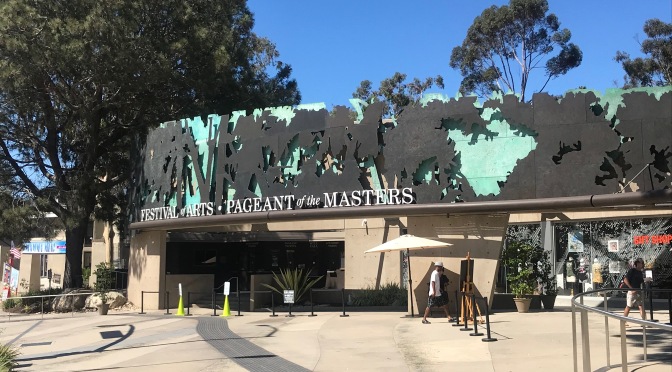
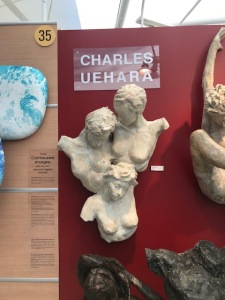 The Pageant of the Masters was first developed in the 1930s to combine music, storytelling and theatrical illusions to celebrate artistic interpretation and history. It has since become a Laguna Beach tradition drawing visitors from around the world. This year’s show, which opens Sunday, July 7, and runs through Aug. 31, marks the pageant’s 86th year.
 Boomers Daily