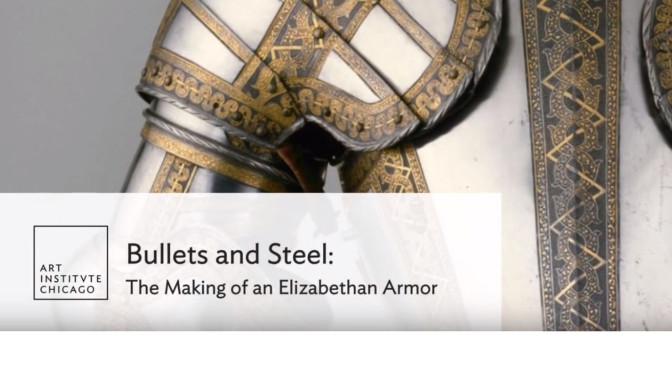
Jeffrey D. Wasson, the armorer who crafted the accurate replica of the Art Institute’s Greenwich armor, and Jonathan Tavares, the Art Institute’s associate curator of arms, armor and European decorative arts before 1700, discuss how utilizing experimental archaeology allowed them to uncover the methods used by Renaissance armorers in crafting the bulletproof protection.
Danny DeVito breaks down his most iconic roles, including his characters in ‘It’s Always Sunny in Philadelphia,’ ‘Batman Returns,’ ‘One Flew Over the Cuckoo’s Nest,’ ‘Taxi,’ ‘Throe Momma from the Train,’ ‘Twins,’ ‘Matilda,’ ‘Hercules,’ ‘L.A. Confidential,’ ‘Curmudgeons’ and ‘Jumanji: The Next Level.’
“The Academy Museum gives us the opportunity to honor the past while creating a building for the future—in fact, for the possibility of many futures. The historic Saban Building is a wonderful example of Streamline Moderne style, which preserves the way people envisioned the future in 1939. The new structure, the Sphere Building, is a form that seems to lift off the ground into the perpetual, imaginary voyage through space and time that is moviegoing. By connecting these two experiences we create something that is itself like a movie. You go from sequence to sequence, from the exhibition galleries to the film theater and the terrace, with everything blending into one experience.”
Renzo Piano, Architect
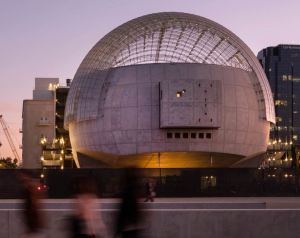
When it opens in the heart of Los Angeles, at the intersection of Wilshire Boulevard and Fairfax Avenue, the Academy Museum of Motion Pictures will be the world’s premier movie museum.
Situated on the famed “Miracle Mile,” the museum will preserve and breathe new life into the former 1939 May Company department store, now re-named the Saban Building. Celebrating its history and imagining new possibilities, the additions to the building that date from 1946 have been removed and replaced with a spherical building that features the 1,000-seat David Geffen Theater and the Dolby Family Terrace with views towards Hollywood. The revitalized campus will feature more than 50,000 square feet of gallery space, two theaters, cutting-edge project spaces, an outdoor piazza, the rooftop terrace, an active education studio, a restaurant, and store.
Larry David stars as… Larry David, living the good life out in Los Angeles and stumbling through one faux-pas after another. Curb Your Enthusiasm returns for its tenth season Sunday, January 19 at 10:30PM.
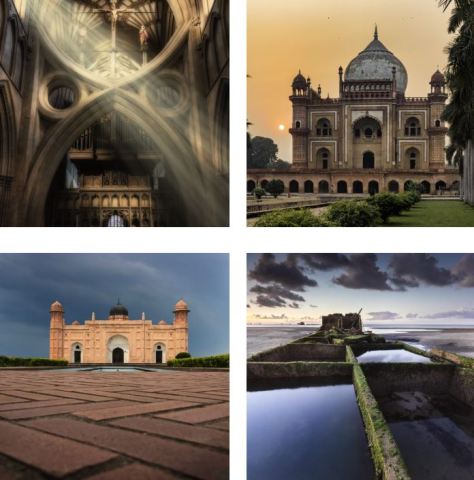
The Historic Photographer of the Year awards showcase the world’s very best historic places and cultural sites from across the globe, capturing everything from the most famous national treasures to the obscure and forgotten hidden gems.
The 2019 Awards attracted a swathe of astonishing entries from amateurs and professionals who have climbed, hiked and trekked their way to snap stunning historic places from every corner of the globe.
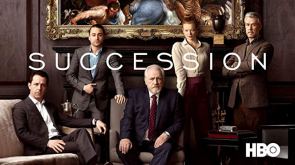
But while there is more great TV than ever before, the number of top-tier programs actually declined in 2018, making the task of assembling a Top 10 TV shows list easier than usual since so few shows stood out from the pack. That changed for the better in 2019, resulting in a Top 10 lineup that features only one returning series from 2018’s list. (Also, some of last year’s best shows, like Better Call Saul and Atlanta, didn’t air new episodes in 2019.)
Rock ’n’ roll, or even popular music, [was] often highly gendered and sexist. It certainly was paternalistic in the ’60s and prior, in terms of songs being directed at women as objects, women as needing to be “counseled” about love, [or] it was about coming on to them, even if it was just something innocent and romantic, “I Want to Hold Your Hand.” And the Beatles very consciously in 1965 began to change their tone. They created a very specific type of female character who would think for herself and did not need a man.
Looking back at your favorite classic rock songs through the lens of today’s attitudes about women’s empowerment, male privilege, and even sexual violence can be cringeworthy at best. But just as they were trailblazers in music, film, fashion, and popular culture, the Beatles were ahead of their time in embracing feminism, argues Kenneth Womack, a well-known authority on the band and dean at Monmouth University, evolving from early patronizing “hey, girl” entreaties to songs filled with independent women who don’t need a man, not even a Beatle. Ideological Diversity, a Harvard Kennedy School student organization, hosts a free talk with Womack on Thursday about how the group explored issues of feminism, gender, and inclusion in ways few rock bands dared in the 1960s.
Anger. A word that often does the rounds in the 21st century. On a global scale, citizens are increasingly dissatisfied with their governments — from discord within the current American administration to rising hostility within France, Germany, Greece, Iraq, and Lebanon. Anger due to the persistence of racial violence, threats against the rights of women and workers, discrimination against the LGBTQ community, repression, as well as fear and instability surrounding health care systems, income inequality, the environmental crisis, and the effects of mass migration.
Join a nuanced conversation in this MoMA R&D Salon hosted by Paola Antonelli, Senior Curator of Architecture & Design and Director of Research & Development at MoMA, with speakers (in alphabetical order):
Shaun Leonardo: a multidisciplinary artist whose work discusses societal expectations of manhood––namely definitions surrounding black and brown masculinities––along with its notions of achievement, collective identity, and experience of failure.
Lydia Lunch: a writer, singer, poet, actress, and speaker whose career was spawned by the New York City “No Wave” scene. Widely considered one of the most influential performers originating from New York City, Lydia has worked with a range of bands and artists.
Andrew Marantz: a staff writer at The New Yorker, where he has worked since 2011. His work has also appeared in Harper’s, New York, and Mother Jones. He recently published his first book, Antisocial: Online Extremists, Techno-Utopians, and the Hijacking of the American Conversation.
Marilyn Minter: a contemporary artist whose works are in the collections of MoMA, the Solomon R. Guggenheim Museum in New York, the San Francisco Museum of Modern Art, and the Museum of Contemporary Art in Los Angeles, among others.
Pamela Sneed: a poet, writer, visual artist, and performer. She is the author of the books Imagine Being More Afraid of Freedom than Slavery (1998) and Kong and Other Works (2009), as well as the chapbooks Lincoln (2014), Gift (2015), and Sweet Dreams (2018).
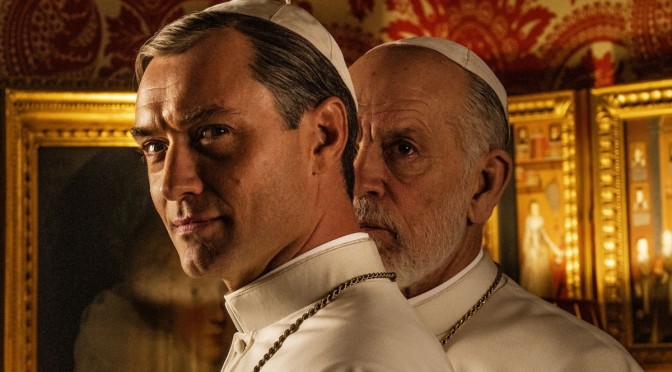
Academy Award-winning director Paolo Sorrentino returns with The New Pope, his second original series set in the world of the modern papacy. Written by Sorrenttino with Umberto Contarello and Stefano Bises, the nine-episode original series features Jude Law and John Malkovich. Sharon Stone and Marilyn Manson guest star.
News, Views and Reviews For The Intellectually Curious

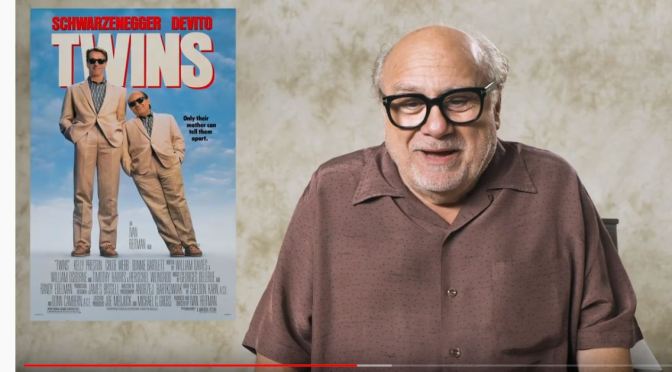
 Danny DeVito breaks down his most iconic roles, including his characters in ‘It’s Always Sunny in Philadelphia,’ ‘Batman Returns,’ ‘One Flew Over the Cuckoo’s Nest,’ ‘Taxi,’ ‘Throe Momma from the Train,’ ‘Twins,’ ‘Matilda,’ ‘Hercules,’ ‘L.A. Confidential,’ ‘Curmudgeons’ and ‘Jumanji: The Next Level.’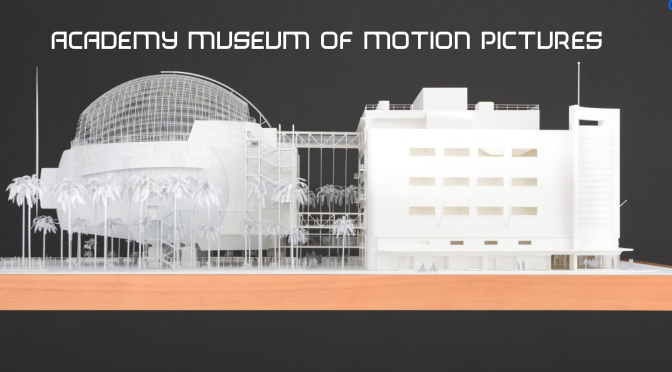
 “The Academy Museum gives us the opportunity to honor the past while creating a building for the future—in fact, for the possibility of many futures. The historic Saban Building is a wonderful example of Streamline Moderne style, which preserves the way people envisioned the future in 1939. The new structure, the Sphere Building, is a form that seems to lift off the ground into the perpetual, imaginary voyage through space and time that is moviegoing. By connecting these two experiences we create something that is itself like a movie. You go from sequence to sequence, from the exhibition galleries to the film theater and the terrace, with everything blending into one experience.”
 Situated on the famed “Miracle Mile,” the museum will preserve and breathe new life into the former 1939 May Company department store, now re-named the Saban Building. Celebrating its history and imagining new possibilities, the additions to the building that date from 1946 have been removed and replaced with a spherical building that features the 1,000-seat David Geffen Theater and the Dolby Family Terrace with views towards Hollywood. The revitalized campus will feature more than 50,000 square feet of gallery space, two theaters, cutting-edge project spaces, an outdoor piazza, the rooftop terrace, an active education studio, a restaurant, and store.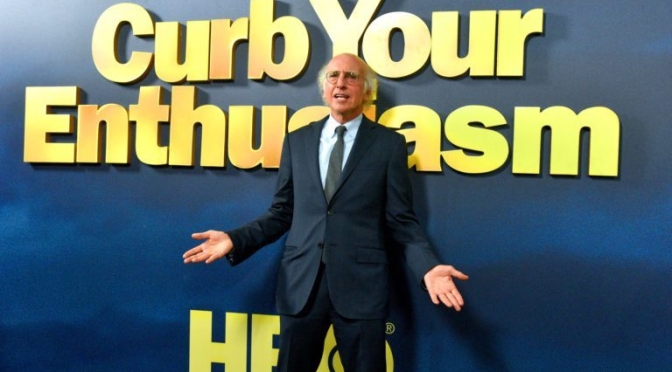
 Larry David stars as… Larry David, living the good life out in Los Angeles and stumbling through one faux-pas after another. Curb Your Enthusiasm returns for its tenth season Sunday, January 19 at 10:30PM.
 The Historic Photographer of the Year awards showcase the world’s very best historic places and cultural sites from across the globe, capturing everything from the most famous national treasures to the obscure and forgotten hidden gems.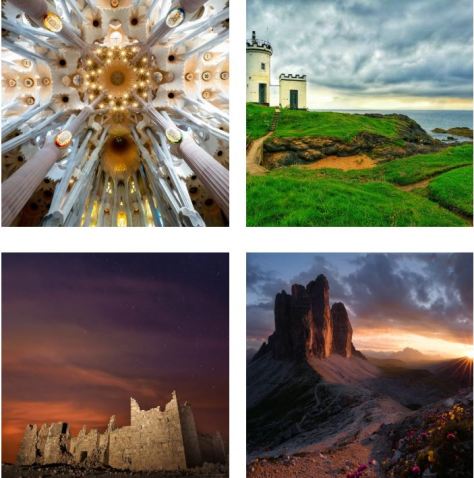

 But while there is more great TV than ever before, the number of top-tier programs actually declined in 2018, making the task of assembling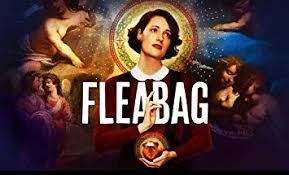
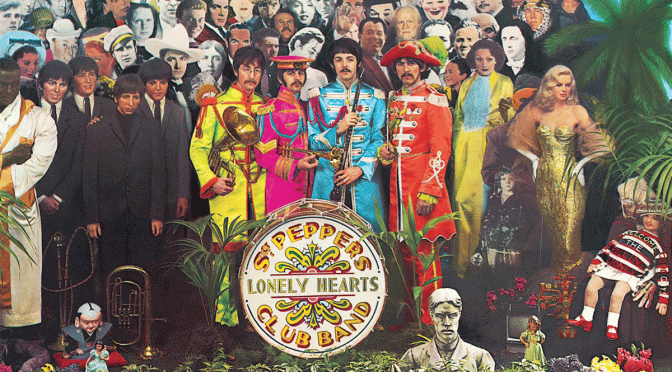
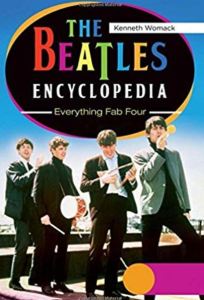 Rock ’n’ roll, or even popular music, [was] often highly gendered and sexist. It certainly was paternalistic in the ’60s and prior, in terms of songs being directed at women as objects, women as needing to be “counseled” about love, [or] it was about coming on to them, even if it was just something innocent and romantic, “I Want to Hold Your Hand.” And the Beatles very consciously in 1965 began to change their tone. They created a very specific type of female character who would think for herself and did not need a man.
  Looking back at your favorite classic rock songs through the lens of today’s attitudes about women’s empowerment, male privilege, and even sexual violence can be cringeworthy at best. But just as they were trailblazers in music, film, fashion, and popular culture, the Beatles were ahead of their time in embracing feminism, argues Kenneth Womack, a well-known authority on the band and dean at Monmouth University, evolving from early patronizing “hey, girl” entreaties to songs filled with independent women who don’t need a man, not even a Beatle. Ideological Diversity, a Harvard Kennedy School student organization, hosts a free talk with Womack on Thursday about how the group explored issues of feminism, gender, and inclusion in ways few rock bands dared in the 1960s.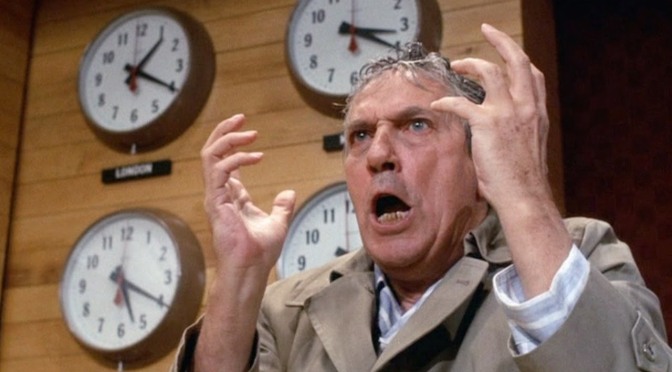


 Boomers Daily