
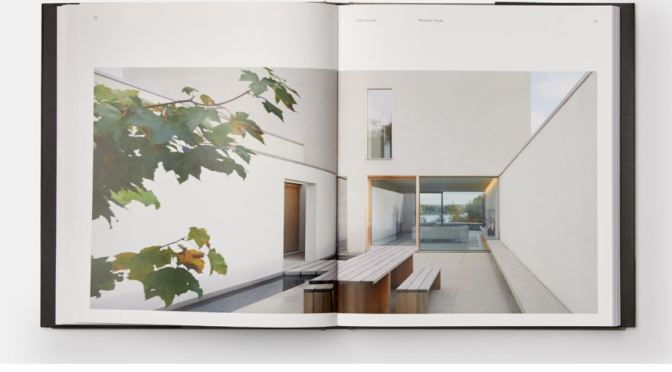
From a The Modern House online article:
“Simplicity in architecture can sometimes only be achieved by the most complex of means.”
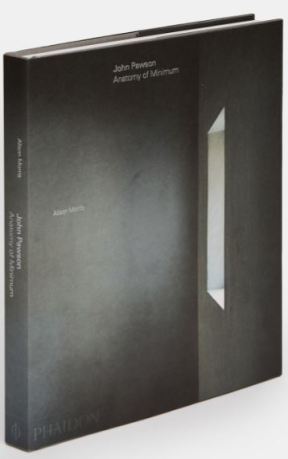 British architectural designer John Pawson has, in a career spanning over three decades, created an inimitable body of work characterized by its distillment of the fundamental ingredients of architecture into their most elemental, elegant expressions.
His design practice, which began primarily with residential commissions, now extends to churches, museums, ballet sets, textiles, kitchenware and furniture. Despite his minimalist approach, Pawson is sensitive to the intimate rituals of daily life and his buildings are far from austere: instead, they elegantly make the case for the clarity and freedom to be found in the act of reduction.
In a new book published by Phaidon, writer Alison Morris explores Pawson’s most recent projects, shedding light on his working process and influences accompanied by stunning photographs, drawings and imagery from his personal journal.
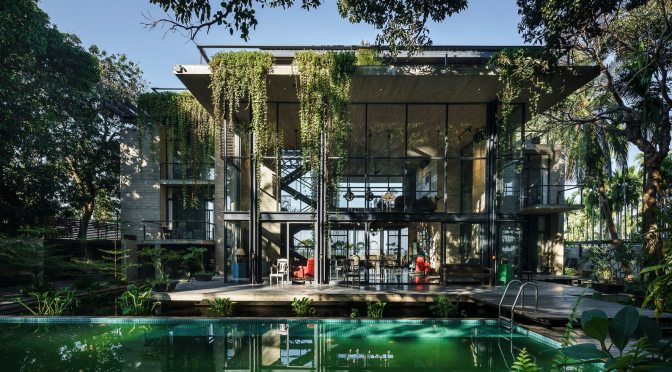
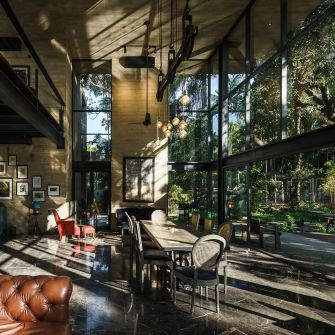 The two and half-storied ‘Vacation Villa’ in Himchori marine drive is a holiday destination amidst the natural setup of hills and sea. The existing topography inspired project is an alluring statement of contemporary architecture in Bangladesh. The purpose of the villa as a place of vacationing is well served as it ensemble two exquisite natural proponent of the site; sea and hills within its built premise. Knotting multiple forces of nature within a space to create and balance the desired psychological mood of relaxation for user was the challenge.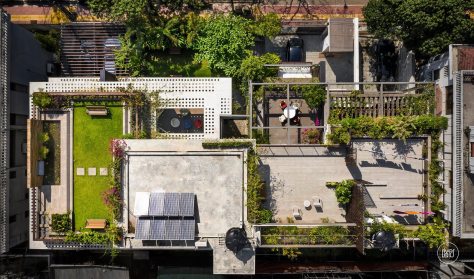
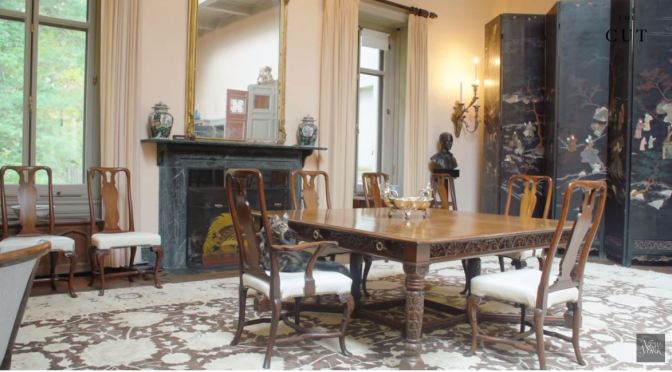
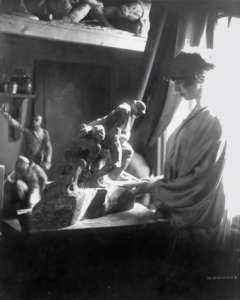 Long Island. In 1912, she commissioned the Gilded Age architect William Adams Delano, of Delano & Aldrich, to build her a neoclassical studio on the grounds of the Whitney estate in Old Westbury.

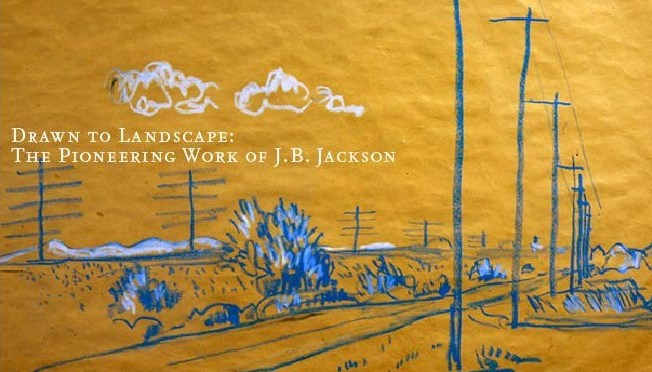
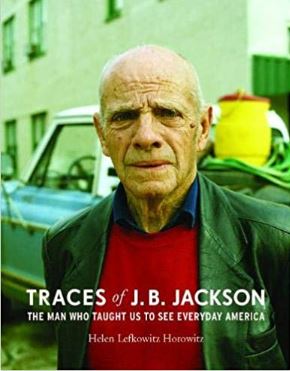 After a varied life of traveling, writing, sketching, ranch labor, and significant service in army intelligence in World War II, Jackson moved to New Mexico and single-handedly created the magazine Landscape. As it grew under his direction throughout the 1950s and 1960s, Landscape attracted a wide range of contributors. Jackson became a man in demand as a lecturer and, beginning in the late 1960s, he established the field of landscape studies at Berkeley, Harvard, and elsewhere, mentoring many who later became important architects, planners, and scholars.
 countryside and city, exploring them as texts that reveal important truths about society and culture, present and past. In Jackson’s words, landscape is “history made visible.”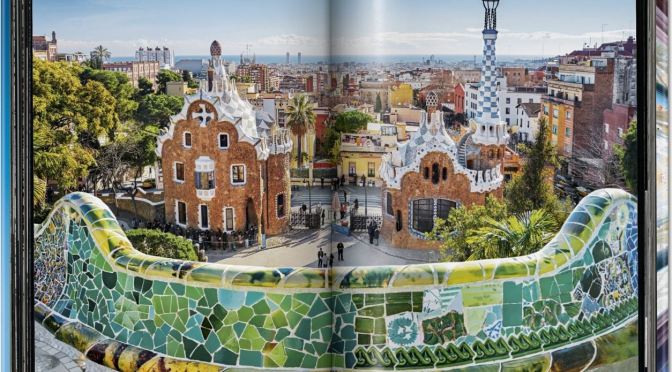
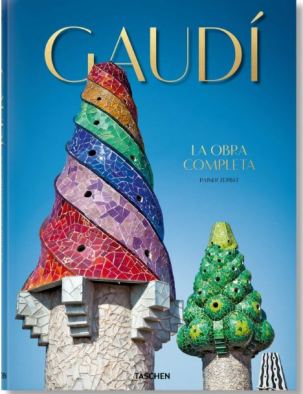 Through brand-new photography, plans and drawings by Gaudí himself, historical photos, as well as an appendix detailing all his works—from buildings to furniture, decor to unfinished projects—this book presents Gaudí’s universe like never before. Like a personal tour through Barcelona, we discover how the “Dante of architecture” was a builder in the truest sense of the word, crafting extraordinary constructions out of minute and mesmerizing details, and transforming fantastical visions into realities on the city streets.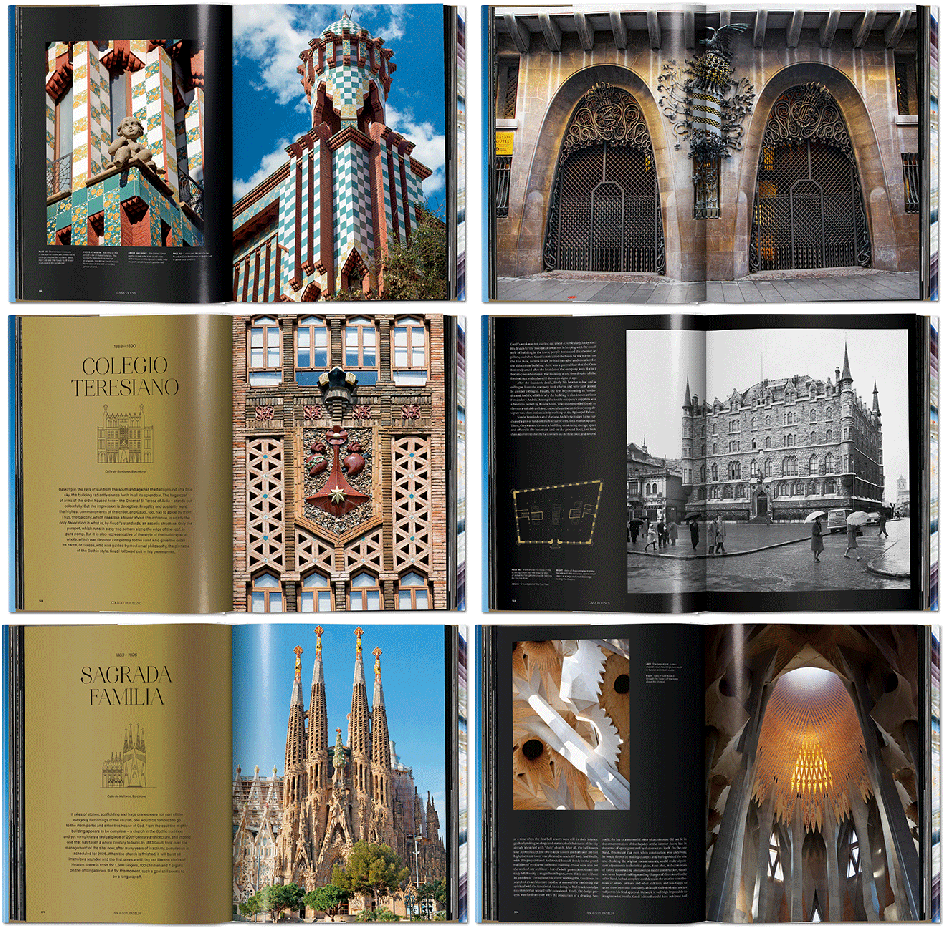
 Gaudí’s incomparable architecture channels much of this multifaceted intricacy. From the shimmering textures and skeletal forms of Casa Batlló to the Hispano-Arabic matrix of Casa Vicens, his work merged the influences of Orientalism, natural forms, new materials, and religious faith into a unique Modernista aesthetic. Today, his unique aesthetic enjoys global popularity and acclaim. His magnum opus, the Sagrada Familia, is the most-visited monument in Spain, and seven of his works are UNESCO World Heritage Sites.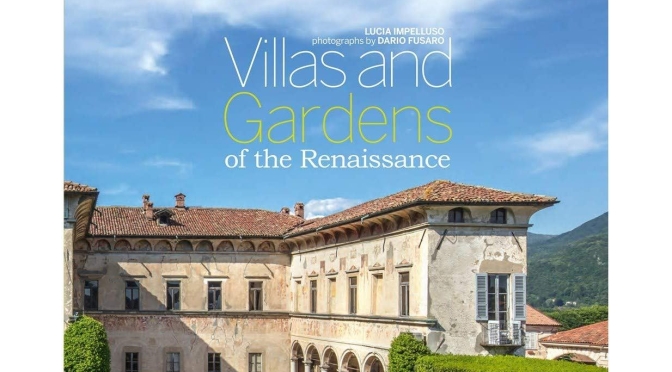
 An historical text introduces each property, giving an overview of its origins. The villas have been specially photographed for this book by Dario Fusaro, with views of both the palace interiors and their grounds, as well as the gardens, glimpses of the halls, details of the furnishings, and a focus on the frescoes, where still preserved. Explanatory text offers insights on the most
 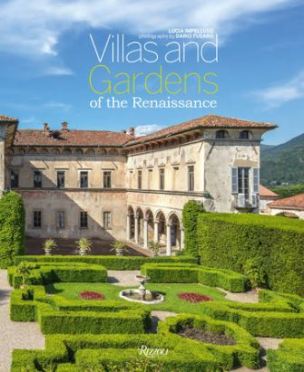 interesting frescoes, such as those of Veronese at Villa Barbaro. For the first time, Fusaro also employs a drone with the purpose of capturing the architectural structure and elements of each Italian Renaissance garden, from above and as a whole.
 Boomers Daily