
In the case of this stunning Beverly Hills home by AD100 Designer Billy Cotton, florals are definitely groundbreaking.
— Architectural Digest (@ArchDigest) January 5, 2022
Step inside the bright, airy, and whimsical abode which graces our February cover 👉 https://t.co/FLPDXcGtH8 pic.twitter.com/aIfVQq9rgL
Category Archives: Architecture

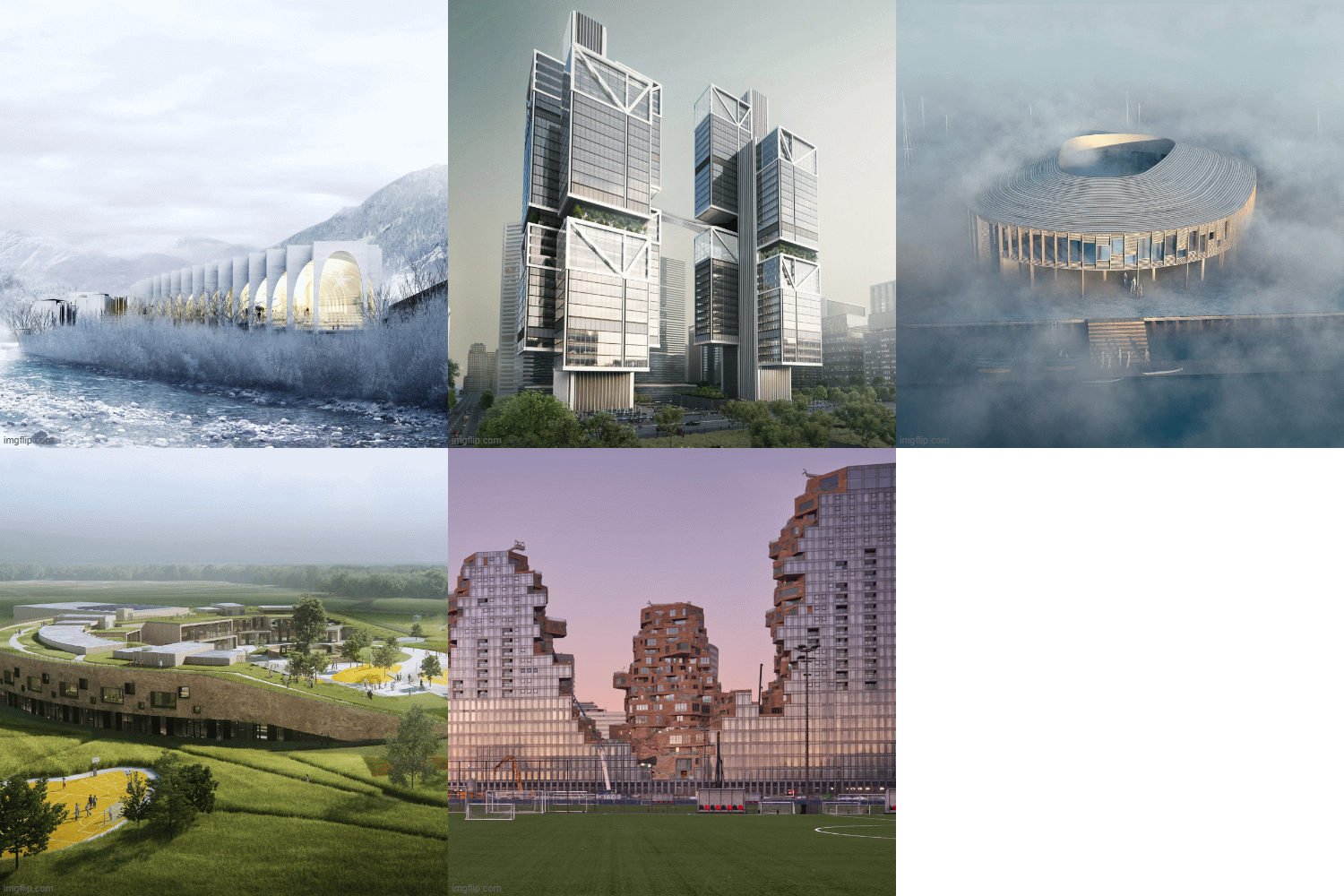
Architecture: The Top 12 Projects For 2022 (Dezeen)

Dezeen architecture reporter Lizzie Crook picks of the 12 most interesting architecture projects slated for completion in 2022, including an underwater sculpture park and a pair of towers linked by a skybridge for drones.
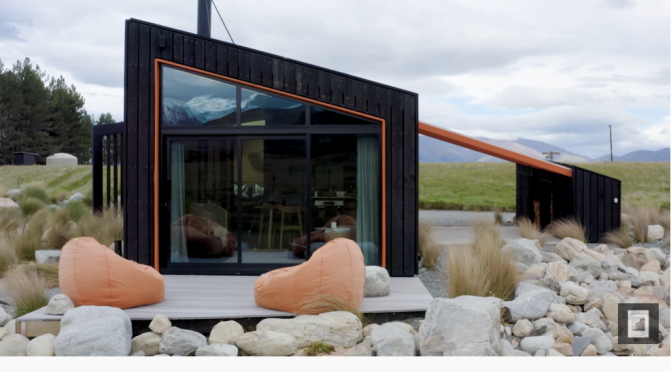
Tours: ‘Skylark Cabin’ – Off Grid Tiny Home In Twizel, New Zealand
A tiny off grid cabin, Skylark Cabin embraces the incredible views afforded by its location. Barry Connor Design opens the cabin to the foothills of the Ben Ohau Mountain Range, establishing the residence as a dream home. Settled into the rugged environment of Twizel, Canterbury, the tiny off grid cabin is under 50 square metres and under four metres in height. From the cabin tour, i
Video timeline: 00:00 – The Local Project Print Publication 00:20 – The Brief for the Architect 00:45 – The Location of the Off Grid Cabin 01:03 – The Layout of the Cabin 02:40 – The Exterior from the Street 03:00 – The Layout Continued 03:26 – The Weather and Environment Around the Cabin 04:08 – Using Orange on the Exterior 04:20 – The Exterior of the Off Grid Cabin 04:51 – The Skylight in the Bedroom 05:04 – The Outdoor Bath 05:55 –
t becomes clear that the home has many features that make it a special addition to Airbnb. The architecture of Skylark Cabin encourages residents to enjoy the New Zealand landscape. Windows of various sizes throughout the home make for defined views of Backbone Peak and the Ben Ohau Range, whilst an open sightline from the bedroom to the reserve – passing through the living room – allows the tiny off grid cabin to borrow visual space from the outdoors. Barry Connor Design ensures that the interior design of the tiny off grid cabin references the natural scenery. Sheets of beech plywood pull the colours of the surrounding landscape into the cabin, whilst a large skylight above the bed alludes to the night sky in oversized, telescopic fashion. By creating a tiny off grid cabin that bears witness to its ever-changing external environment, Barry Connor ensures that the experience of backcountry Ben Ohau Range is like no other.
Design: ‘Branch House’
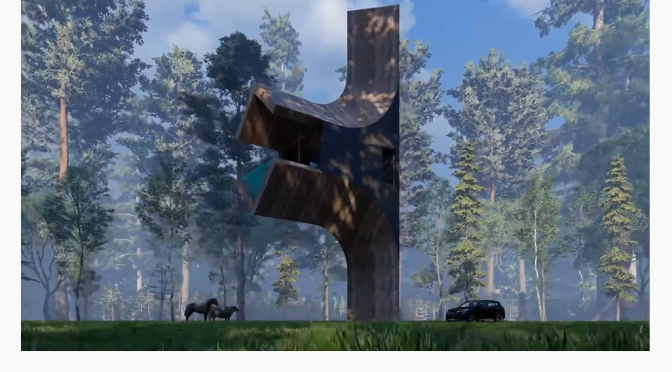
The location of this project is in Athena, Florida, In designing this project, we got an idea from a tree branch, so that the house is connected to a vertical structure in the form of a console, like a tree branch growing from a tree trunk.
Vertical connection including stairs and elevators inside the structure, which is located vertically, which acts as a vertical core. As soon as a person enters the house, one is faced with the endless view of nature, which is in front of the entrance door of the house. In fact, one reaches the light (interior space of the house) from the dark space of vertical connection.
The interior includes a bedroom and living room next to the fireplace, a bathroom and Wc , and a small kitchen.
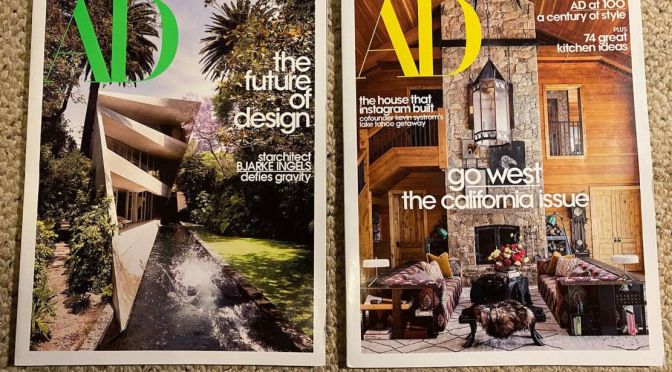
Previews: Architectural Digest – January 2022


Home Tour: ‘Menzies Pop’ In Sumner, New Zealand
An architect’s own home, Menzies Pop is a celebration of architectural craft. Introducing a refined material palette to the pre-existing building, Common Architecture maximises the potential of the New Zealand property. Located in Sumner, a suburb settled on the outskirts of Christchurch, Menzies Pop is a distinctive concrete construction.
A house tour of ‘The Bunker’, as it is referred to by locals, reveals the creative possibilities of the building that culminated in it becoming an architect’s own home. Hand-crafted details give character to the foundation of the house, such as clover shapes cut into the parapets and a skilfully carved arched entrance. Features retained by Common Architecture, such as a concrete ceiling and concrete work beams, present the home as an architecturally exciting offering.
Cementing its status as an architect’s own home, Menzies Pop emerges as a thoughtful reconfiguration of its original building. Three bedrooms are reimagined as a kitchen-living area, with their north-west orientation allowing the spaces to have access to a deck at the rear of the home. By moving the kitchen into a more communal part of the house, Common Architecture presents the space as central to family life. The interior design of the structure speaks to the fact that it is an architect’s own home.
An expert eye is applied to the scale of furniture, skylights and the single-length boards that cover some of the walls of the home, so that the dimensions of the building are emphasised. The beloved timber of the pre-existing home is complemented by teak, stone and brass accents, which form a sophisticated extension of the original material palette. Embracing its structural history, Menzies Pop stands as a cleverly crafted example of an architect’s own home.
Timeline: 00:00 – The Local Project’s Print Publication 00:20 – An Introduction to Menzies Pop by Common Architecture 00:40 – Where It’s Located 00:52 – The Existing House 01:35 – The Beginning of the Renovations 02:45 – The Key Elements of the New Renovation 03:47 – The Kitchen 04:01 – The Extension (First Floor Edition) 05:03 – The Key Learnings 05:41 – What Common Architecture Are Most Proud Of 06:19 – The Local Project’s Tri-Annual Subscription
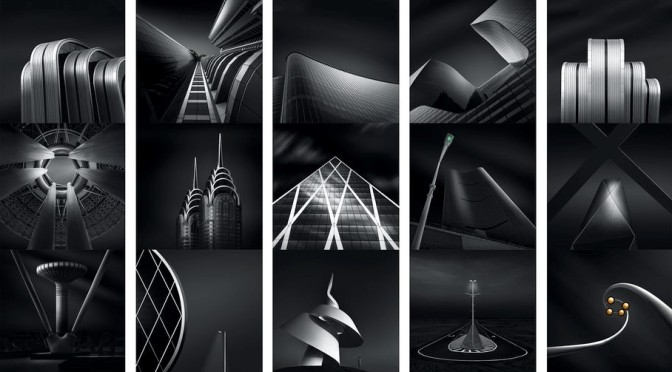
Art Views: ‘Uncluttered Sobriety’ – A Visualization

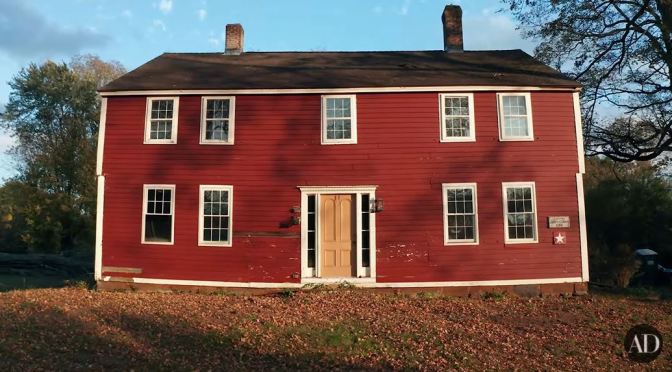
Home Renovations: 18th C. Colonial In Longmeadow, Massachusetts (Video)
Today on Architectural Digest we visit Longmeadow, Massachusetts to tour a colonial-era home with a ton of potential but needing lots of work. Contractor Nick Schiffer from NS Builders takes us through this 18th century relic room by room – laying out the possibilities for restoring the historic flourishes while bringing the property into the present day.
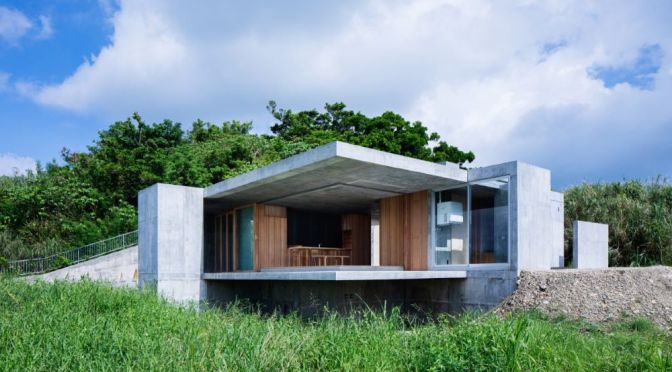
Architecture: ‘Fusato House’ – Okinawa, Japan

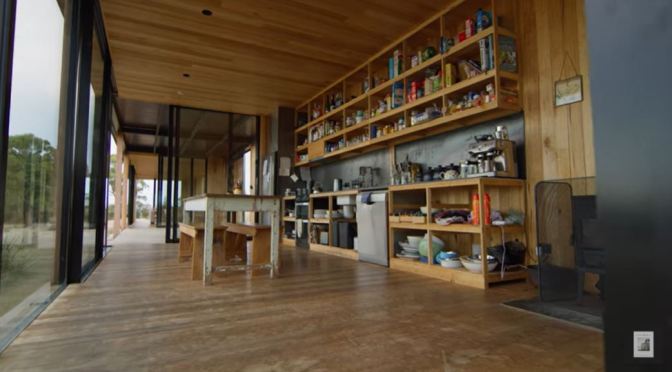
Tours: Off The Grid ‘Pine Flat Lodge’ In Tasmania
Located on the east coast of Tasmania, Australia, Pine Flat Lodge emerges from the environment as a place of retreat and immersion. The off the grid lodge is proposed as a minimal insertion within the landscape, a simple gesture that holds the space between the pines and the expansive view beyond the site. Imbued with a sense of belonging and placemaking, the off the grid lodge was approached in a deliberate manner, with focus placed on the conservation and rehabilitation of the land.
As a response, the architecture and interior design of the lodge accentuates an outward perspective, blurring the lines between indoors and out. The off the grid lodge is comprised of a series of modules within a continuous envelope, which in turn opens out to the landscape. The communal spaces are separated by decks and continue the structure’s discourse with the external environment, while the sleeping quarters represent an intended moment of quiet and retreat. The lodge tour also highlights Pine Flat Lodge’s solar power and rainwater collection, a physical reminder to visitors to be mindful when experiencing the space and landscape.
When designing a lodge, especially one that operates off grid, sustainability must inform each component. The material of the cabin is motivated by the surrounding context – sustainably sourced timber is used throughout the off the grid lodge. The structure utilises resources in an accountable way by pursuing efficient use of materials and minimising carbon footprint while supporting local craftsman. Bespoke details feature throughout the off the grid lodge, celebrating craft and the natural environment in an authentic and sustainable manner.
 Boomers Daily