

From a Shulamit Nazarian online review:
 The artist incorporates an array of art historical scenes such as John Martin’s English-Romantic apocalypses and Edouard Manet’s Luncheon on the Grass with ubiquitous imagery sourced from the Internet. The highly rendered areas in her paintings resemble a cascade of Google image search results where cellphone photos of skylines and gardens slide past gestural marks.
 Shulamit Nazarian is pleased to present Strange Little Beast, a solo exhibition of new works by Los Angeles-based painter Annie Lapin. This will be the artist’s first solo exhibition with the gallery.
Annie Lapin’s paintings call attention to the human desire for meaning making–our effort to create order out of chaos. In Strange Little Beast, Lapin’s paintings use her interest in art history, perception, and the materiality of painting itself to examine the role of digital technology and narrative building in our contemporary moment.
To read more: http://www.shulamitnazarian.com/exhibition/annie-lapin/#
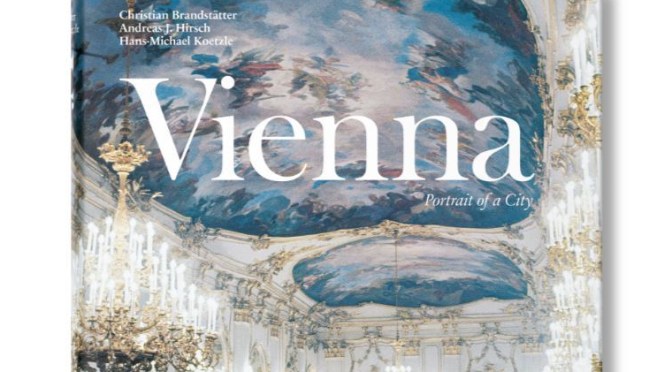
 This volume is a treasure trove of photography from the last 175 years, following the evolution of Vienna from imperial capital to modern metropolis. Like a visual walk through time and cityscape, hundreds of carefully curated pictures trace the developments in Vienna’s built environment and the cultural and historical trends they reflect, whether the urban Gesamtkunstwerk of the 19th-century Ringstrasse or the experiments of “Red Vienna” in the 1920s, when the city had a social democrat government for the first time.
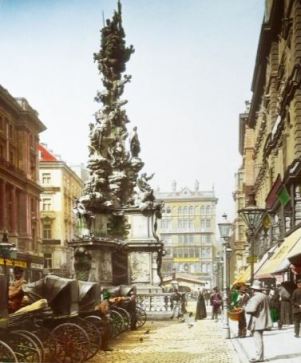 Vienna combines drama and elegance like no other. For centuries the heart of the Austro-Hungarian Empire, the stately city on the Danube, has been defined by vast palaces and imperial grandeur—but behind the Baroque opulence, Vienna is also a place of genteel coffee house culture, epicurean tradition, and a heritage of both delicate and daring music, art, and design, from Johann Strauss to

 This proposed agency could work like a seal of approval, like the Energy Star program run by the Environmental Protection Agency, for new software, apps, and vendors that will be handling sensitive health information. Just like dishwashers evaluated by Consumer Reports, apps that handle personal health information should have a similar unbiased review process.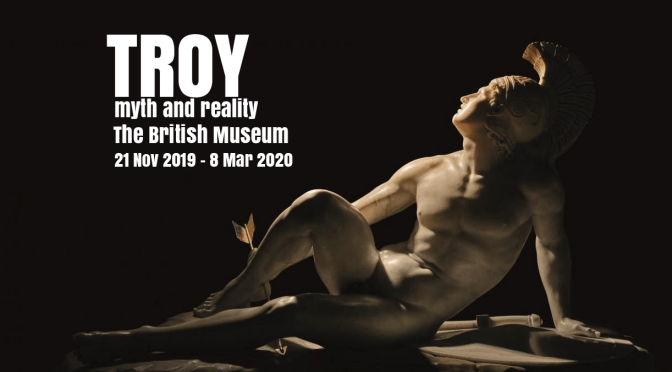
 From Helen of Troy’s abduction to the deception of the Trojan Horse and the fall of the city, tread the line between myth and reality in this phenomenal new exhibition.
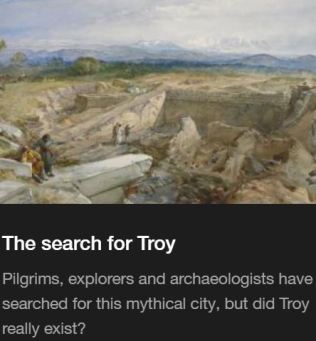 The story of the ancient city of Troy, and of the great war that was fought over it, has been told for some 3,000 years. Spread by travelling storytellers, it was cast into powerful words by the Greek poet Homer as early as the eighth to seventh century BC – and into powerful images by ancient Greek and Roman artists. Just as it enraptured audiences in the past, it still speaks to us today and it’s easy to see why. It’s a story that has it all – love and loss, courage and passion, violence and vengeance, triumph and tragedy – on a truly epic scale.
 Expect many of those chairs to be filled in the months ahead. The Winter Village is a huge draw, built around a massive ice rink enjoyed by upwards of 300,000 skaters throughout the holiday season. “We want people to enjoy great cocktails and drinks at the Porch, to take time to relax and appreciate the city with all its extraordinary energy,”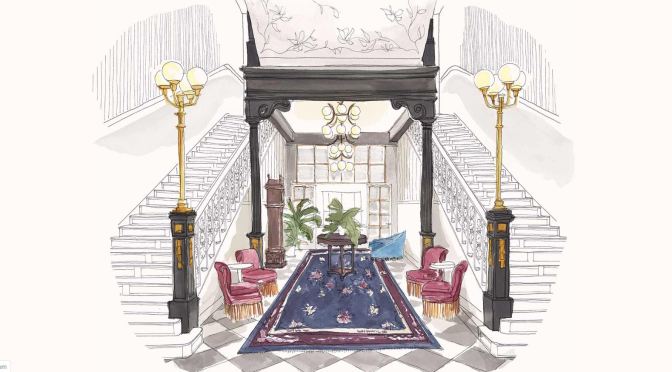
 Maison de la Luz
 “For patients with severe but stable heart disease who don’t want to undergo these invasive procedures, these results are very reassuring,” said



 In 1965, James Baldwin, by then internationally famous, faced off against William F. Buckley Jr., one of the leading voices of American conservatism, in a debate hosted by the Cambridge Union in England. The debate proposition before the house was: “The American dream is at the expense of the American Negro.”
 Boomers Daily