

From an Architectural Digest online article:
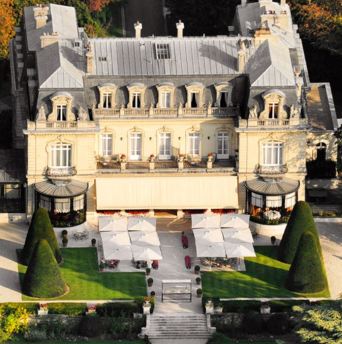 Champagne is a lot bigger than it seems. Vineyards can be up to an hour away from each other depending on traffic, so it’s best to pick a home base in the heart of the region. The luxurious Domaine Les Crayères was the former home of Madame Pommery’s daughter (Pommery was a 19th century French businesswoman who took over her husband’s successful wine business after he passed away). The space was transformed into a hotel in the early 1980s, where it still retains some of the Belle Époque sensibility from its previous owner.
 Champagne is one of those places in the world that there’s truly no bad season to visit. Yet, before you let the bubbles get to your head, remember to plan everything in-advance as many vineyards are small, independently owned, and can’t always accommodate walk-ins. The place is also very spread out, so you should consider renting a car or hiring a driver if you’re booking several tastings. Luckily, getting to Champagne is easy, as it’s only a two-hour train ride from Paris. In fact, some travelers even opt to simply make a day trip out of it. Time spent aside, the grandiose French architecture all the way to the glow of the vineyards will warm your heart (no, it’s not just the alcohol) and have you immediately wanting to come back.
To read more: https://www.architecturaldigest.com/story/design-lovers-guide-to-champagne-france

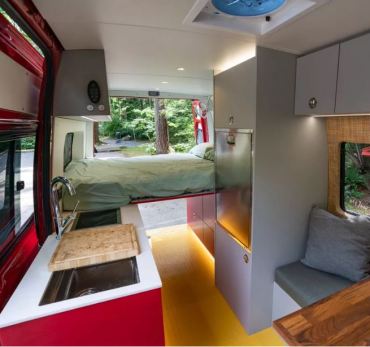 One of the most refreshing companies currently converting vans is
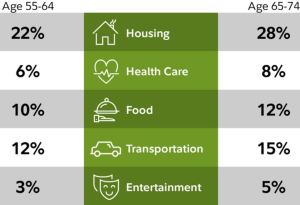 • Required distributions. Most people know that, after reaching age 70½, they must begin withdrawing funds from tax-deferred accounts (like IRAs). What they fail to understand are the ripple effects from these payouts. Required minimum distributions can, first, push you into a higher tax bracket and, second, translate into increased Medicare Part B premiums (which are tied to annual income).
 PayScale reports real-time salary data from over 54 million reports from job seekers, fact checking the data against private and public compensation data.

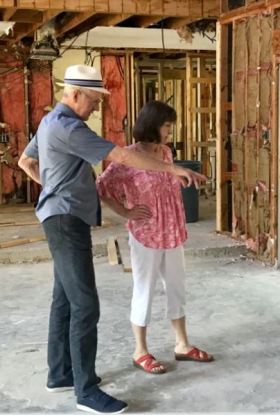 Leaving nothing to chance, the Cavners are making a number of modifications they might never need. For instance, neither uses a wheelchair, but contractors are making all doorways 3 feet wide for accessibility throughout — just in case. The master bath roll-in shower, flat and rimless, will provide room to maneuver and the master bath vanity is also at wheelchair-accessible height. Kitchen drawers, rather than cabinets, will allow easy access in a wheelchair. The Cavners are closely watching details of the renovation, but it wasn’t a hard decision.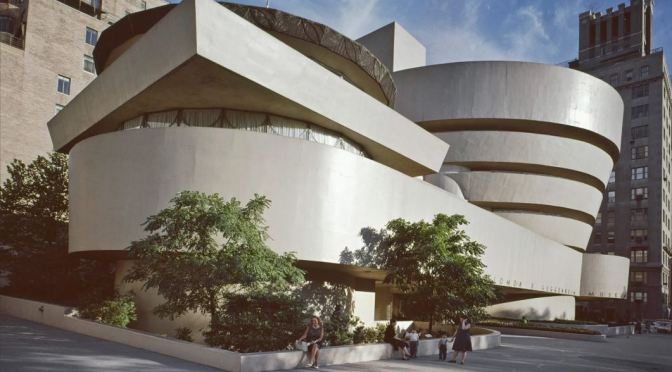
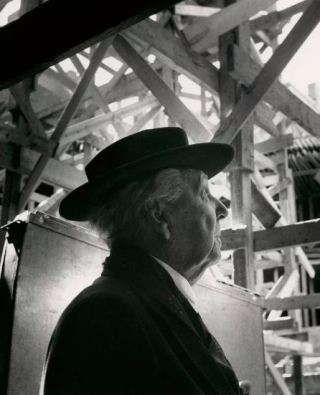 This year marks the 60th anniversary of Frank Lloyd Wright’s building for the Solomon R. Guggenheim Museum. Since opening its doors on October 21, 1959, the architectural icon has inspired countless visitors and is widely seen as Wright’s masterpiece.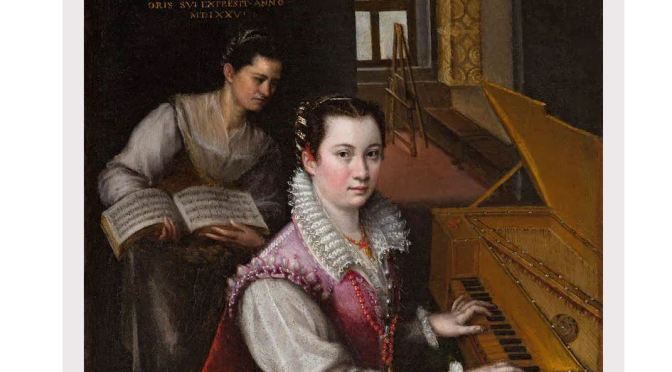
 Born in Bologna in 1552, Lavinia Fontana is often considered to be the first professional woman painter; she was the first to be accepted into the Accademia di San Luca in Rome, and supported her family throughout her life by gaining prestigious commissions for portraits in the city. This self-portrait has been interpreted as a wedding painting; it was completed in the year of Fontana’s marriage to Giovan Paolo Zappi, a fellow artist who became her agent and manager.
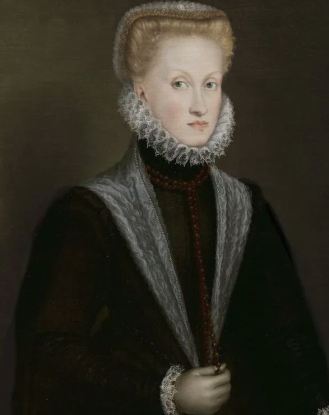
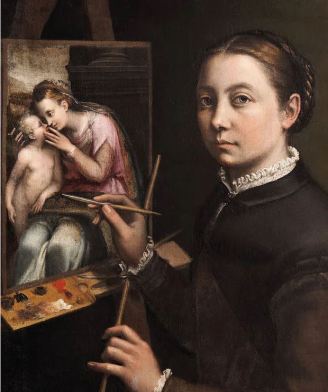 Sofonisba Anguissola was born into an aristocratic family from Cremona in around 1532; she travelled to Rome as a young woman, where her talent was recognised by Michelangelo, and in 1559 became lady-in-waiting to Elisabeth de Valois, Queen of Spain (and a keen amateur painter). She became a court painter to Philip II, and remained at court for some 15 years – at least until her marriage to a Sicilian nobleman after Elisabeth’s death in 1568, for which Philip II provided the dowry. Here she portrays Anna of Austria, who became Queen of Spain after Philip remarried in 1570.
 Part of the Prado’s bicentenary celebrations, this exhibition looks at two of the most significant women artists of the Renaissance. Though born into very different social classes, both Lavinia Fontana and Sofonisba Anguissola rose to heights of prestige that had not previously been scaled by women painters – Fontana at the Vatican, and Anguissola at the Spanish court.
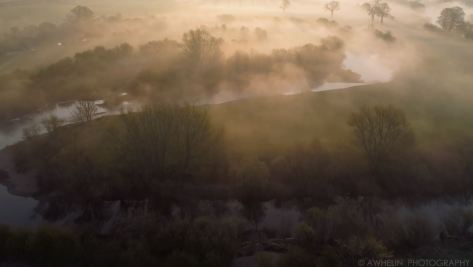

 As a natural paradise rooted in sustainable luxury, only 5 percent of the island is developed, with the rest kept as a nature reserve. “It’s 400 acres of unspoiled jungle, lagoons, mangroves, and beaches that create intimate connections between the land and the traveler,” notes Benjamin Loomis, the architect and developer behind Isla Palenque Resort. From the people to the food to the design materials, everything is sourced locally (most even coming directly from the property).
 Boomers Daily