

Fran Silvestre Arquitectos @FranSilvestreAr reveals permeable Piera House in Spain: https://t.co/kNpE8Di2cS #architecture #spain pic.twitter.com/OH6xVHXCC2
— World Architecture (@WACommunity) January 21, 2022
Monthly Archives: January 2022

Preview: The Economist Magazine – January 22
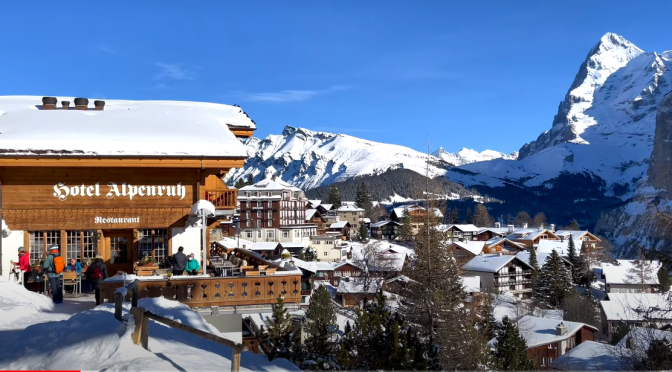
Winter Walks: Mürren In Alpine Switzerland (4K)
Mürren is a Swiss mountain village at the foot of the Schilthorn peak, which is accessible by cable car. Featured in a James Bond film, the Piz Gloria revolving restaurant contains the Bond World 007 exhibit and has views of Mont Blanc. Near Mürren is the Lauterbrunnen Valley, with its subterranean, glacial Trümmelbach Falls. Themed trails on the Allmendhubel peak include the Flower Panorama and North Face paths.

Morning News: Russia-Ukraine, Covid Pandemic, Portugal Vote, Greece
We reflect on Antony Blinken’s address on the Russia-Ukraine tensions and ask whether the pandemic is nearing its endgame.
Plus: Portugal’s forthcoming election, Andrew Mueller on the week’s stranger stories and Greece’s attempts to bring the Parthenon marbles back to Athens.

Front Page: Wall Street Journal – January 21
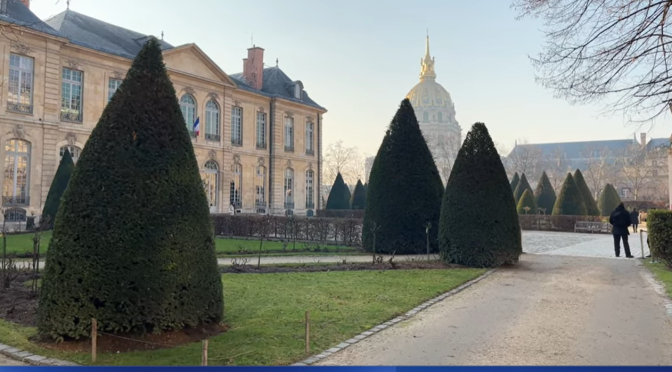
Walking Tour: The Musée Rodin in Paris, France (4K)
The Musée Rodin in Paris, France, is a museum that was opened in 1919, primarily dedicated to the works of the French sculptor Auguste Rodin. It has two sites: the Hôtel Biron and surrounding grounds in central Paris, as well as just outside Paris at Rodin’s old home, the Villa des Brillants at Meudon, Hauts-de-Seine.
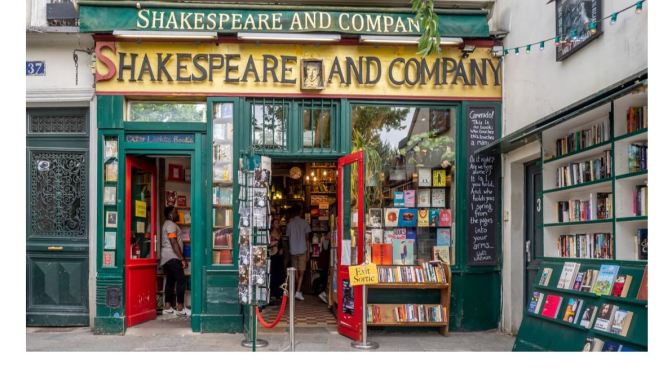
Shakespeare & Company: Author Rebecca Solnit On Her Book ‘Orwell’s Roses’
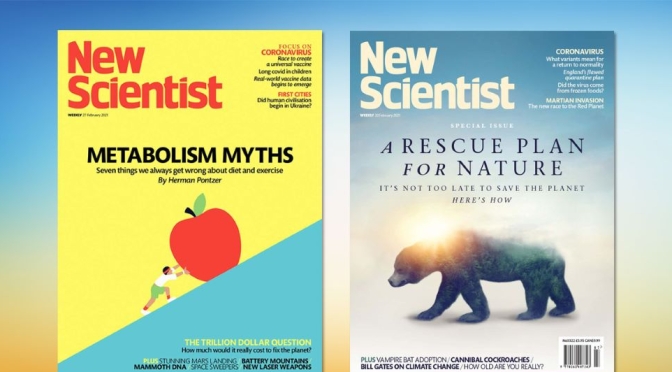
Previews: New Scientist Magazine – January 22
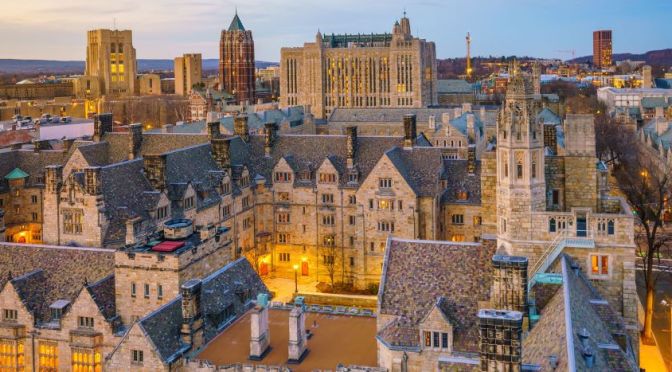
Aerial Views: New Haven In Southern Connecticut
New Haven is a coastal city on Long Island Sound, in Connecticut. It’s home to the Ivy League Yale University, founded in 1701. The institution’s museums include the Yale Peabody Museum of Natural History, the Yale University Art Gallery and the Yale Center for British Art. Grove Street Cemetery, dating from the late 18th century, has a 19th-century Egyptian Revival gateway. The New Haven Museum covers local history.

Science: Random Genome Mutations, Ancient Peru’s Hallucinogenic Beer
Challenging the dogma of gene evolution, and how chiral nanoparticles could give vaccines a boost.
In this episode:
00:45 Genome mutations may be less random than previously thought
A long-standing doctrine in evolution is that mutations can arise anywhere in a genome with equal probability. However, new research is challenging this idea of randomness, showing that mutations in the genome of the plant Arabidosis thaliana appear to happen less frequently in important regions of the genome.
Research article: Munroe et al.
News and Views: Important genomic regions mutate less often than do other regions
13:45 Research Highlights
How hallucinogenic beer helped cement an ancient superpower’s control, and a surprisingly enormous colony of breeding fish.
Research Highlight: Drug-fuelled parties helped ancient Andean rulers to hold power
Research Highlight: Vast fish breeding colony is more than twice the size of Paris
16:11 How a left-handed nanoparticle could give vaccines a boost
The chirality of a molecule – whether it has a left- or right-handed orientation – can have significant impacts on how it works. This week, a team show that left-handed gold nanoparticles can stimulate the immune system of mice, and boost the activity of a flu vaccine.
Research article: Xu et al.
News and Views: Nanoparticle asymmetry shapes an immune response
23:04 Briefing Chat
We discuss some highlights from the Nature Briefing. This time, Tasmanian devils’ discerning diets break the rules on scavenging, and new techniques uncovering the sex of ancient human remains may rewrite our assumptions.
Cosmos: Tasmanian devils puzzle science with picky eating habits
The Observer: Archaeology’s sexual revolution
 Boomers Daily