
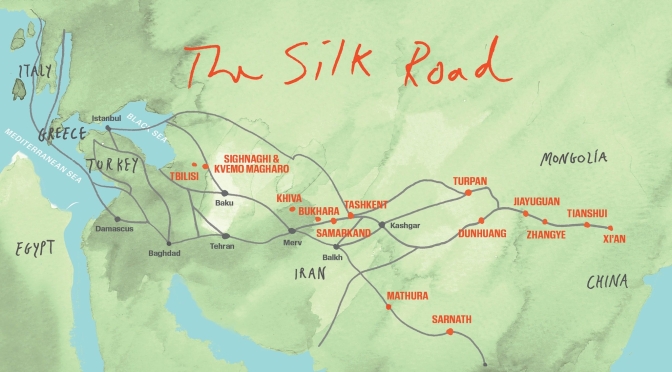
A Poetic Journey Through Western China
For years, Silk Road travelers made the grueling trek past towering mountain ranges and ancient cities now lost to time. Centuries later, one writer attempts to retrace the journey.

This year, T’s spring Travel issue is devoted to just five stories, each an account of its writer’s journey along a different section of the Silk Road — the ancient network of trade routes that until the 15th or 16th century spanned some 4,000 miles of the globe, from Central Asia across the Middle East to Southern Europe, and formed a vital conduit for both new commodities and new ideas. While venturing to faraway places might seem like a distant possibility now, a year after this issue began to take shape, as we reckon with the global pandemic, these pieces are a powerful reminder of our innate desire to move and explore.


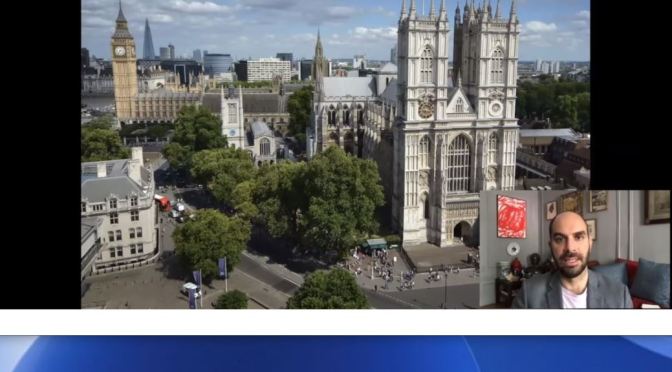

 This week, Elisabeth Bik tells us about her work uncovering potential image manipulation, and a new route for particulate pollution formation.
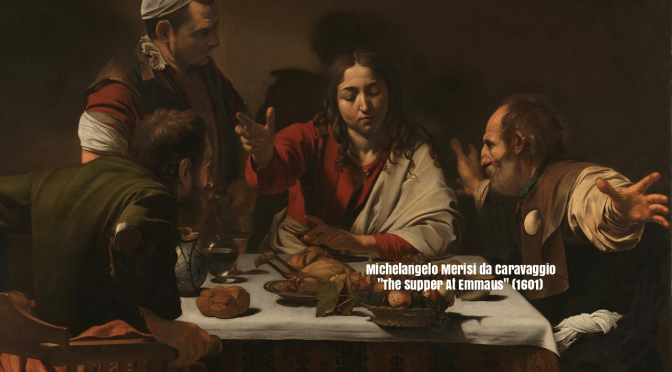
 Michelangelo Merisi da Caravaggio is one of the most admired painters of the late 16th and early 17th centuries. Known for his powerful, dramatically lit compositions, Caravaggio depicted violence and the human form with a degree of realism unprecedented at the time. He was among the most famous painters in Rome—but not only because of his skill as an artist.
 Caravaggio was also notorious for his wild life and shocking temper. After being sentenced to death for murder, he fled Rome and died in exile at age 38 . Three biographies written in the decades after his death constitute nearly all that is known about the enigmatic artist.
 Boomers Daily