
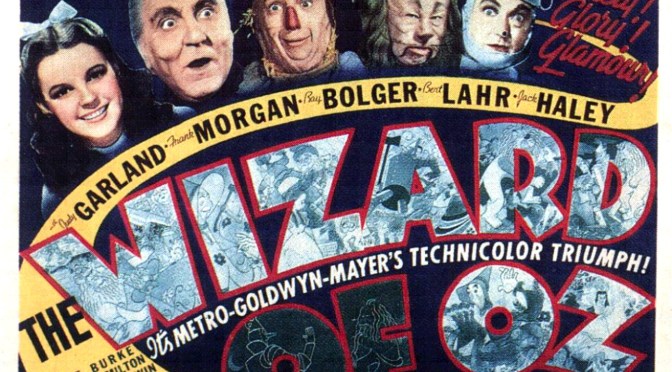
From “The Guardian”:
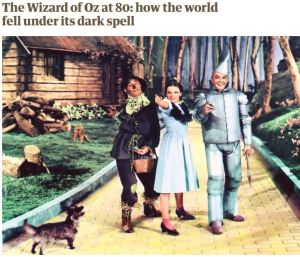 “…from Elton John’s albumGoodbye Yellow Brick Road to the Coen brothers’ O Brother, Where Art Thou?, which owes as much to Oz as it does to Homer’s Odyssey. Joel Coen once said: “Every movie ever made is an attempt to remake The Wizard of Oz.” In his 1992 essay about Fleming’s film, Salman Rushdie describes it as his “very first literary influence”. It was one of Derek Jarman’s favourite movies, and among the first he ever saw. (This is the key to its influence: the fact that everyone watches it in childhood. It seeps into your unconscious and stays there.) And there are the spin-offs, sequels and prequels – The Wiz, Return to Oz, Oz the Great and Powerful, Wicked.”
Eighty years ago, in the summer of 1939, 16-year-old Judy Garland appeared on cinema screens as the orphan Dorothy Gale, dreaming of escape from bleak, monochrome Kansas. “Find yourself a place where you won’t get into any trouble,” her aunt beseeches, too busy for poor old Dorothy, who soon breaks into song: “Somewhere, over the rainbow, skies are blue / And the dreams that you dare to dream really do come true”. Her wish is soon granted by a tornado that carries her to the gaudy, Technicolor Land of Oz, instilling her as an icon for misfits, migrants, gay kids, dreamers – anyone who has ever wanted to run away.
Read more by clicking the following link:
https://www.theguardian.com/film/2019/jun/17/how-the-world-fell-under-the-spell-of-the-wizard-of-oz
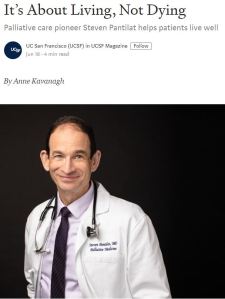 “Doctors and patients are increasingly recognizing the benefits of palliative care. People want care that helps them live as well as possible for as long as possible. Once people learn what palliative care is, they want it. So we’re training experts to meet this growing demand. We have one of the largest fellowship programs in the state, and we also train nursing students, medical students, and residents. We want all clinicians to know the basics of palliative care: how to manage pain, shortness of breath, and nausea and how to talk to patients about the things that matter most to them.”
 From time immemorial, an invariable feature of doctor–patient interaction has been that it takes place in person. But the status quo is changing. A large portion of patient care might eventually be delivered via telemedicine by virtualists, physicians who treat patients they may never meet.
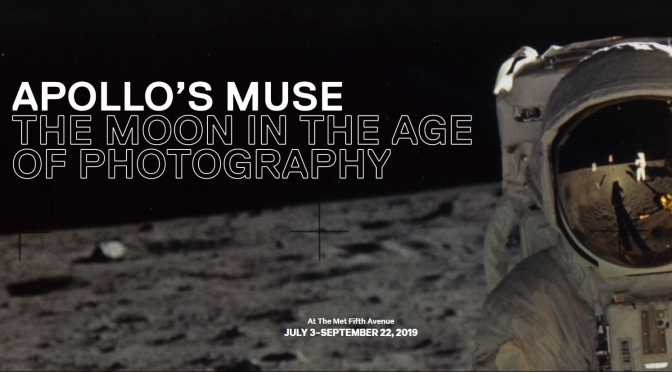
 On July 20, 1969, half a billion viewers around the world watched as the first images of American astronauts on the moon were beamed back to the earth. The result of decades of technical innovation, this thrilling moment in the history of images radically expanded the limits of human vision.

 Fragility fractures occur in structurally weak bones due to aging and bone loss – osteoporosis. Dr. Anthony Ding explains what “fragility fractures” are, where they occur, what they mean to you, and how they are treated. Series: “Mini Medical School for the Public”.
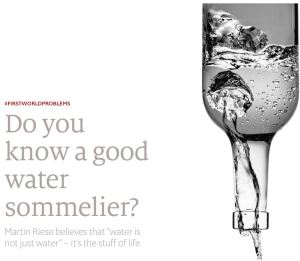 “How would he describe water, then? It’s the stuff of life. A fantasia of flavour. It is the world in a glass. Riese’s water menus (yes, there are such things) offer everything from water “harvested from icebergs freshly carved off glaciers in the remote fjords” of Norway, to 600m-year-old prehistoric water from Australia. It is also, on occasion, a trifle pricey. A bottle of that glacier water will set you back $150.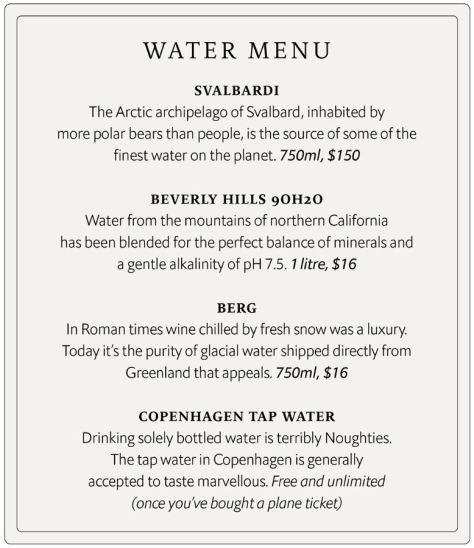





 Boomers Daily