

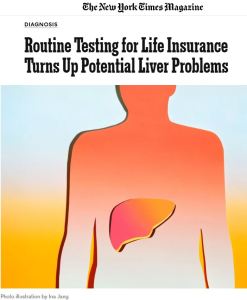
 “The doctor asked whether he was sure that he had not taken anything else when he was sick? No acetaminophen? No herbs or supplements? The man was certain. Moreover, his labs were abnormal even before he took the antibiotics. The doctor hypothesized that the man’s liver had been a little inflamed from some minor injury — maybe a virus or other exposure — and the antibiotic, which is cleared through the liver, somehow added insult to injury.”
A few weeks before he got sick, he had blood tests for an application for life insurance. Days later, he heard from his doctor that his liver labs were a little off. There are enzymes in the liver that help with the organ’s work of cleansing the blood. When the liver is injured, these hardworking chemical assistants leak into the circulatory system. The levels of these enzymes, his doctor explained, were double what they should be.
Read more in the NY Times Magazine article by Lisa Sanders, M.D.:


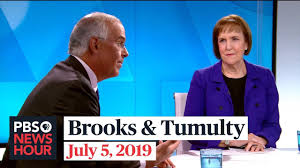 New York Times columnist David Brooks and Washington Post columnist Karen Tumulty join Judy Woodruff to analyze the week’s political news, including President Trump’s Fourth of July celebration, political and cultural implications of the crowded detention centers on the U.S.-Mexico border and the latest dynamics within the race for the 2020 presidential nomination.

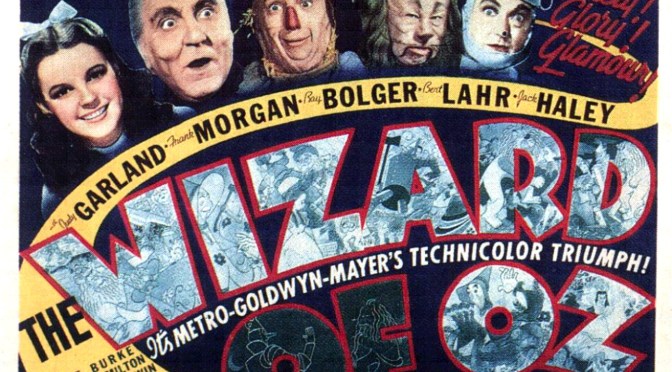
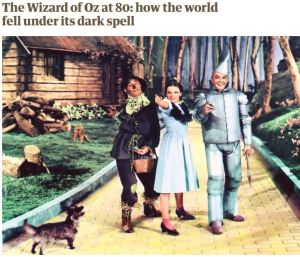 “…from Elton John’s albumGoodbye Yellow Brick Road to the Coen brothers’ O Brother, Where Art Thou?, which owes as much to Oz as it does to Homer’s Odyssey. Joel Coen once said: “Every movie ever made is an attempt to remake The Wizard of Oz.” In his 1992 essay about Fleming’s film, Salman Rushdie describes it as his “very first literary influence”. It was one of Derek Jarman’s favourite movies, and among the first he ever saw. (This is the key to its influence: the fact that everyone watches it in childhood. It seeps into your unconscious and stays there.) And there are the spin-offs, sequels and prequels – The Wiz, Return to Oz, Oz the Great and Powerful, Wicked.”
 Boomers Daily