
 Listen to the latest science updated, brought to you by Nick Howe and Shamini Bundell. This week, delving into the results of the latest graduate student survey, and assessing ageism in science fiction literature.
In this episode:
00:45 The graduate student experience
The results of Nature’s 2019 PhD survey are in. David Payne, Nature’s Chief Careers Editor, takes us through them. Nature’s PhD survey collection
06:45 Research Highlights
Giant tortoises are quick learners, and colour-changing magic mushrooms. Research Article: Gutnick et al.; Research Highlights: Why magic mushrooms turn dark blue when picked
08:52 Where are the older women in sci-fi?
Author Sylvia Spruck Wrigley has been looking into the number of older women that appear in sci-fi novels, and the roles they play. Essay: Space ageing: why sci-fi novels shun the badass older woman
16:45 News Chat
A trove of mummified remains causes excitement in Egypt, and Italy plans a new science funding body. News: Rare mummified lions add to Egyptology buzz; News: Italy’s plan to create €300-million research agency draws fire
 An infinite number of things happen; we bring structure and meaning to the world by making art and telling stories about it. Every work of literature created by human beings comes out of an historical and cultural context, and drawing connections between art and its context can be illuminating for both. Today’s guest, Stephen Greenblatt, is one of the world’s most celebrated literary scholars, famous for helping to establish the New
 Historicism school of criticism, which he also refers to as “cultural poetics.” We talk about how art becomes entangled with the politics of its day, and how we can learn about ourselves and other cultures by engaging with stories and their milieu.
 For the second year in a row, editors at The New York Times got together for a live taping of the podcast to discuss the Book Review’s list of the year’s 10 Best Books. “These are books that we think will endure, that will be looked at and read and consulted and referred to well after the year in which they were named,” says Pamela Paul, the editor of The New York Times Book Review, as part of her introductory remarks about what the editors look for in their selections.



 One of the most successful artists of the Italian Renaissance, Titian was the master of the sixteenth-century Venetian school and admired by his royal patrons and fellow artists alike. Several of his contemporaries, including the authors and art theorists Giorgio Vasari, Francesco Priscianese, Pietro Aretino, and Ludovico Dolce, wrote accounts of Titian’s life and work.
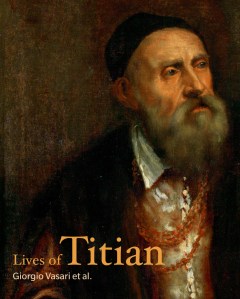 In this episode, Getty assistant curator of paintings Laura Llewellyn discusses what these “lives” teach us about Titian and the artistic debates and rivalries of his time. All of these biographies are gathered together in Lives of Titian, recently published by the Getty as part of our Lives of the Artists series.
 Netflix has risen from obscurity to be one of the most powerful media companies in the world with more than 150 million global subscribers. It has launched critically acclaimed hits such as House of Cards, The Crown and Unbelievable, as well as showcasing the back catalogues of popular television series. But as part of its rapid growth, the company has racked up huge debts.
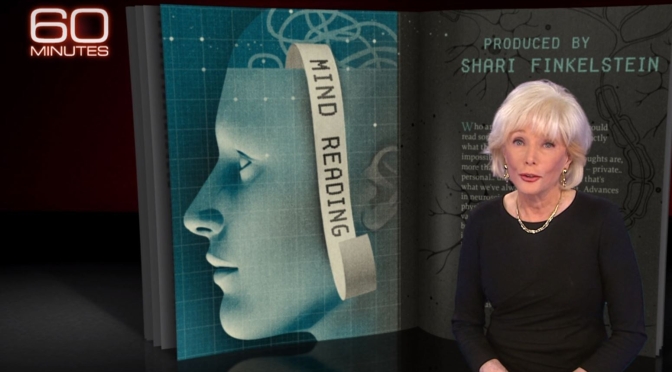
 Who among us hasn’t wished we could read someone else’s mind, know exactly what they’re thinking? Well that’s impossible, of course, since our thoughts are, more than anything else, our own. Private, personal, unreachable. Or at least that’s what we’ve always, well, thought.
 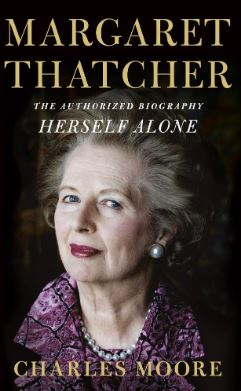 “I don’t think you can think about British politics or British history without thinking about her a very great deal,” Charles Moore, the authorized biographer of Margaret Thatcher, says of his subject on this week’s podcast. “And to some extent, you can’t think about the history of the modern West without thinking about her a very great deal.”
 It started with a phone call. In a week, a scammer would take Nina Belis’s life savings. WSJ’s Sarah Krouse explains why robocalls persist: Because sometimes they work.
 Syndicated columnist Mark Shields and New York Times columnist David Brooks join Judy Woodruff to discuss the week in politics, including the biggest revelations and most compelling characters from impeachment hearings, whether they will change voters’ minds about impeachment, how 2020 Democrats performed in their fifth debate and President Trump’s moves on military justice.

 Boomers Daily