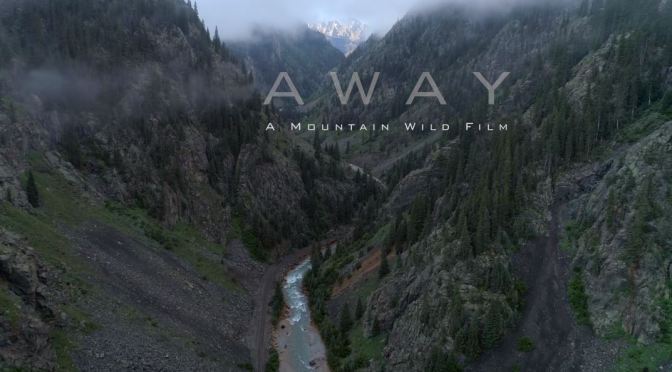
A film meant to transport you AWAY to the places you love or have yet to see. An aerial view of incredible landscapes through Colorado Wyoming Utah Arizona and Alaska.
Get ready for a Rocky Mountain adventure over the state that boasts some of the highest peaks, tallest sand dunes and largest single-site brewery in America. Every year Colorado attracts music lovers, ski buffs, and sports fans drawn to its Red Rocks, Aspen slopes and the Broncos’ Mile High Stadium. But it is also a state with a history, marked by war, a gold rush and legendary bank robberies. Through it all, Colorado remains a feast for the eyes.
“Kenny Rogers took portraits and western landscape photos like no other. He was passionate and fell in love with the warmth and beauty that captured all that he saw through a lens,” says Patty Wente IPHF CEO and President.
“One Tree” – Kenny Rogers
The International Photography Hall of Fame and Museum mourns the passing of its first Lifetime Achievement Award Winner and 2017 inductee Kenny Rogers. Rogers was a dedicated and talented photographer for nearly four decades. His best-known images are portraits of well-known singers, actors, and dignitaries from around the globe.
“The Thumb” – Kenny Rogers
In addition, he had an ongoing passion for photographing the American landscape. Rogers was skilled with his large format view camera, and loved to make prints in his darkroom. Regarding his photography, he said, “I am an impulsive obsessive. I impulsively get involved with something, and then I get obsessed with it. So that’s what happened with photography.”
Filmed, Edited and Directed by: The Pattiz Brothers
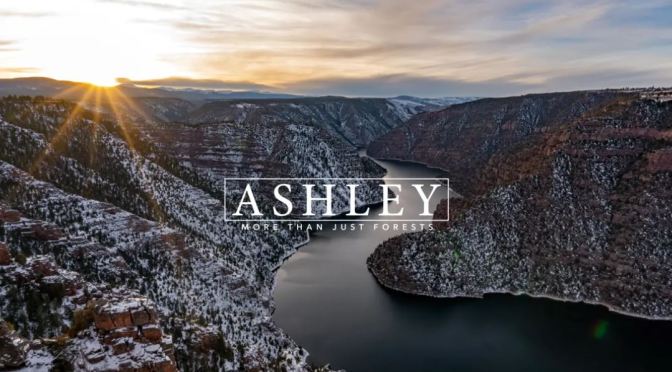
From the creators of More Than Just Parks, More Than Just Forests proudly presents More Than Just Forests | Ashley! Join us as we take you on a visual journey through one of the most stunning and unique regions in the country. Explore gorges, valleys, forests, deserts, and meadows as we take you from sunrise to sunset in this remote and beautiful landscape. This is the Ashley National Forest.
First little test shoot with my new Panasonic S1H. Shot in V-Log in 4k & some cropped 6k. Features both S1H & A7S night time lapse footage as I wanted to see how the S1H held up to my A7S for time lapse and specifically astrophotography. I shot this in January though so no Milky Way, just stars and clouds.
Filmed and Directed by: Jim Pattiz and Will Pattiz
Produced by: More Than Just Forests
Music by: The Lady & I (“Sky’s The Limit”)
Sponsored by: Visit Utah
.
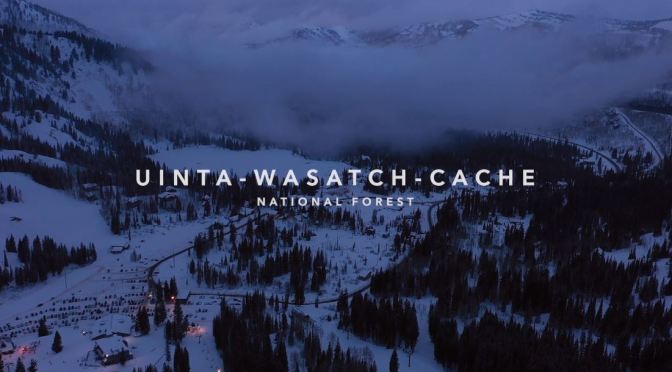
From the creators of More Than Just Parks, More Than Just Forests proudly presents More Than Just Forests | Uinta-Wasatch-Cache! Join us as we take you on a visual journey through one of the most stunning and unique regions in the country. Explore mountains, valleys, forests, canyons, and meadows that are home to some of north america’s most treasured animals and landscapes. This is the Uinta-Wasatch-Cache National Forest.
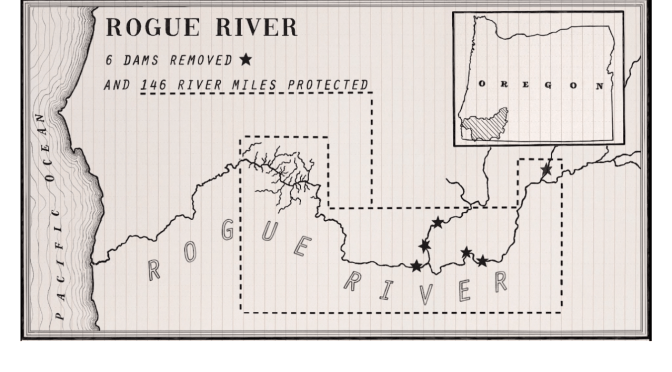
On October 2, 2018 – the 50th anniversary of the Wild and Scenic Rivers Act – a bill to protect wild rivers and lands in Oregon moved one step closer to the finish line. The Oregon Wildlands Act (S.1548) passed through the Senate Committee on Energy and Natural Resources suggesting it is ready for the spotlight – approval from the full Senate and House and a signature by the President.
Senators Wyden and Merkely’s Oregon Wildlands Act brings together longstanding efforts to protect outstanding rivers and wild landscapes in Oregon. If passed, the bill would protect 90,000 acres of Wilderness in the Devil’s Staircase and Wild Rogue areas, add 256 miles of Oregon rivers to the Wild & Scenic system, safeguard 128,000 acres of the Rogue and Molalla Rivers as Recreation Areas and withdraw an important section of the Chetco River from new mining claims.
Fifty years ago the Lower Rogue River was one of the original eight rivers designated under the Wild and Scenic Rivers Act. The Oregon Wildlands Act would grant nearly 100 miles of tributaries of the Lower Rogue River with the same protections. And, protecting the Rogue, it’s tributaries and it’s surrounding wild landscapes is good for business. According to a 2009 economic report, river-based recreation on and near the Wild & Scenic Rogue River accounted for nearly $30 million in economic output and 445 full and part time jobs.
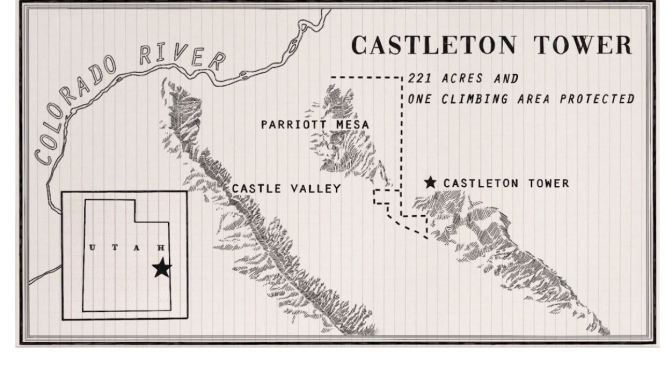
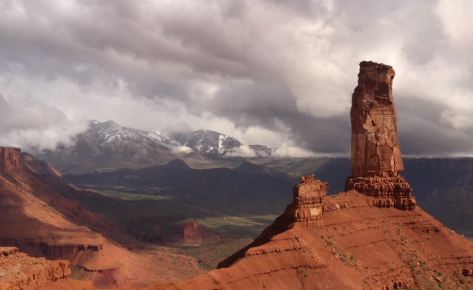
This The Conservation Alliance success story is a classic. In 2001, funding by The Conservation Alliance lead to the acquisition of 221 acres surrounding iconic Castleton Tower in Castle Valley, Utah—home to one of the “Fifty Classic Climbs of North America.”
In the clip, you’ll see Dave Erley, former two-term mayor of Castle Valley, and Wendy Fisher, Executive Director of Utah Open Lands, explain the history of the Castleton Tower Preservation Initiative. Once threatened by development, the climbing community and Utah Open Lands worked together to secure permanent access to Castleton Tower.
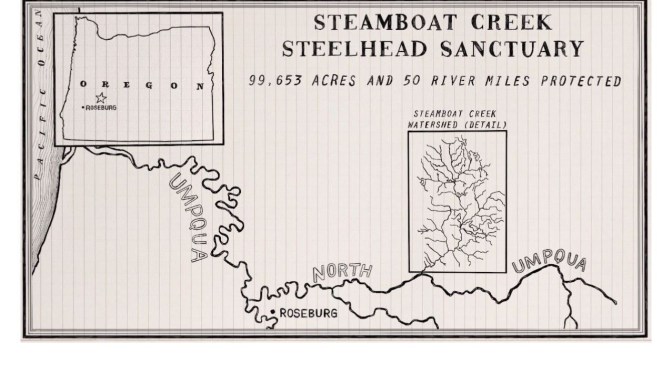
The first video in our six-part success story series celebrates the new 99,000-acre Steamboat Creek Steelhead Sanctuary along Oregon’s Umpqua River.
The backstory: Frank and Jeanne Moore are decades-long stewards and conservation champions for the Steamboat Creek watershed, located in the northeastern portion of the Umpqua River basin, and recognize it as a sanctuary for wildlife, plants, and people.
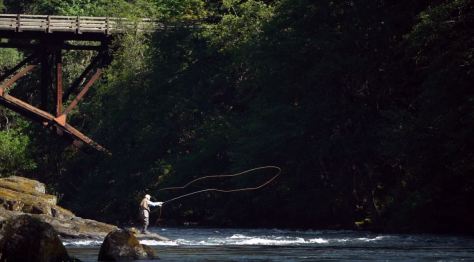
While recent protections identify the wild steelhead as the preeminent beneficiary, Frank also discovered that spending time fly fishing along the river in this area acted as therapy for PTSD induced by his service in World War II.
Vineyards in Colorado are mostly nestled in the temperate, high elevation river valleys and mesas of Mesa and Delta counties, with some acreage in Montezuma county. Colorado’s grape growing regions range in elevation from 4,000 to 7,000 feet and are thus among the highest vineyards in the world, resulting in hot days accompanied by cool nights.
The ‘continental climate’ in these regions create day to night temperature variations topically ranging from 25 to 30 degrees during the grape maturation months of August and September. The long warm daylight hours of intense high-altitude sunlight mature the fruit completely and build the natural sugars. The cool evenings cause the grapes to retain the acids so vital to premium winemaking. However, the high altitude can also present a challenge to grape growers, in that the average frost free growing season ranges from 150 to 182 days.
AMERICA THE BOUNTIFUL Regions once considered wine deserts are producing in-demand bottles as a new wave of winemakers boldly redraw the map of American wine regions.ILLUSTRATION: BETH HOECKEL



 The International Photography Hall of Fame and Museum mourns the passing of its first Lifetime Achievement Award Winner and 2017 inductee Kenny Rogers. Rogers was a dedicated and talented photographer for nearly four decades. His best-known images are portraits of well-known singers, actors, and dignitaries from around the globe.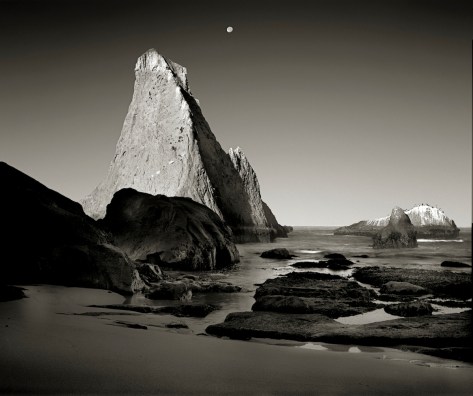

 On October 2, 2018 – the 50th anniversary of the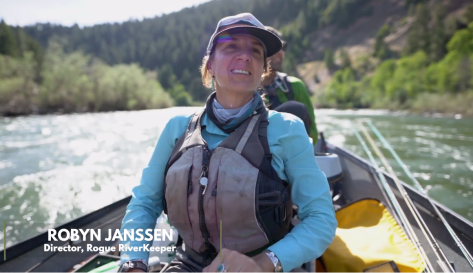


 Vineyards in Colorado are mostly nestled in the temperate, high elevation river valleys and mesas of Mesa and Delta counties, with some acreage in Montezuma county. Colorado’s grape growing regions range in elevation from 4,000 to 7,000 feet and are thus among the highest vineyards in the world, resulting in hot days accompanied by cool nights.

 Boomers Daily