
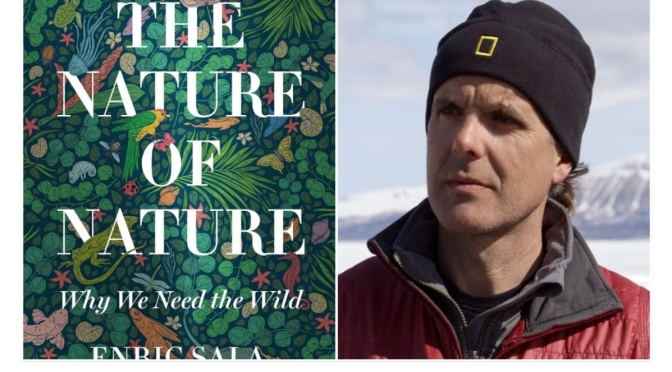
In this inspiring manifesto, an internationally renowned ecologist makes a clear case for why protecting nature is our best health insurance, and why it makes economic sense.

Enric Sala wants to change the world–and in this compelling book, he shows us how. Once we appreciate how nature works, he asserts, we will understand why conservation is economically wise and essential to our survival.
Here Sala, director of National Geographic’s Pristine Seas project (which has succeeded in protecting more than 5 million sq km of ocean), tells the story of his scientific awakening and his transition from academia to activism–as he puts it, he was tired of writing the obituary of the ocean. His revelations are surprising, sometimes counterintuitive: More sharks signal a healthier ocean; crop diversity, not intensive monoculture farming, is the key to feeding the planet.
Using fascinating examples from his expeditions and those of other scientists, Sala shows the economic wisdom of making room for nature, even as the population becomes more urbanized. In a sober epilogue, he shows how saving nature can save us all, by reversing conditions that led to the coronavirus pandemic and preventing other global catastrophes. With a foreword from Prince Charles and an introduction from E. O. Wilson, this powerful book will change the way you think about our world–and our future.
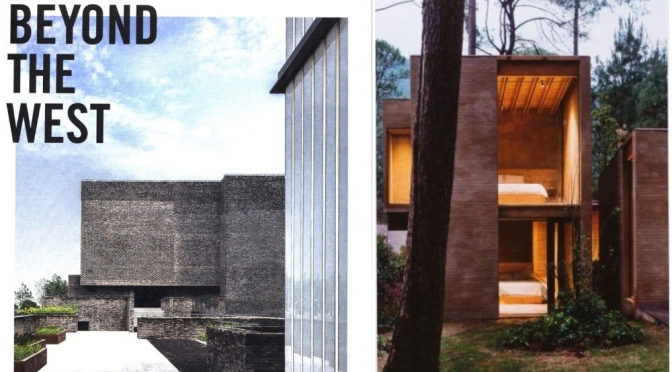
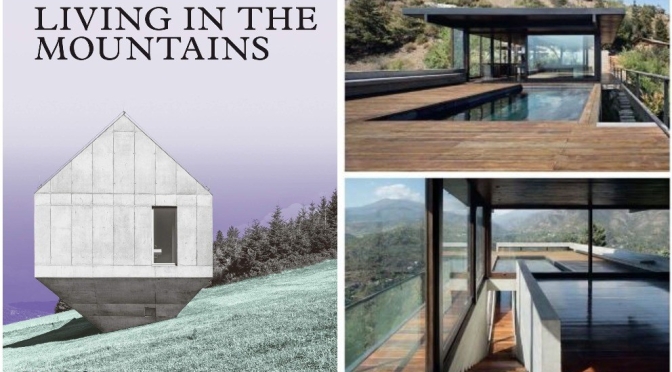
 Whether snow-capped, rocky, or covered with verdant forest, the sublime wilderness of mountains has inspired humans for millennia. Offering respite from urban living and a profound connection to nature, mountain landscapes also present unique challenges that have resulted in innovative, resourceful, and beautiful residential architecture. Living in the Mountains is the definitive global tour, showcasing the finest examples of architect-designed homes, whether furnished with impressive views, offering protection from harsh environments, or simply reveling in their extraordinary altitude.
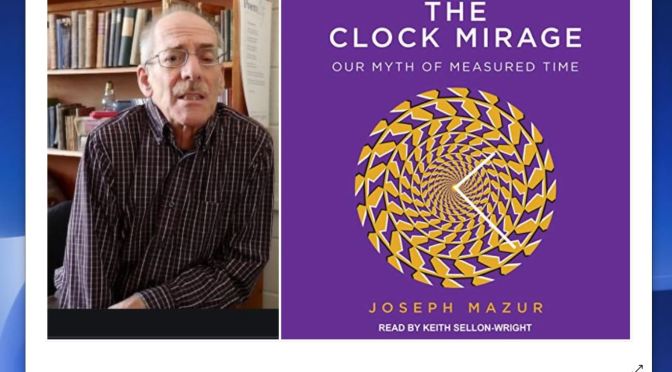
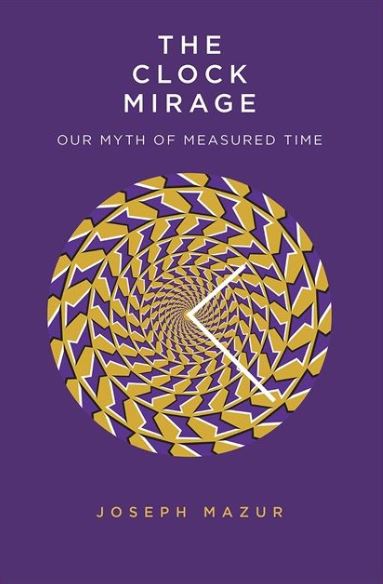 With a narrative punctuated by personal stories of time’s effects on truck drivers, Olympic racers, prisoners, and clockmakers, Mazur’s journey is filled with fascinating insights into how our technologies, our bodies, and our attitudes can change our perceptions. Ultimately, time reveals itself as something that rides on the rhythms of our minds. The Clock Mirage presents an innovative perspective that will force us to rethink our relationship with time, and how best to use it.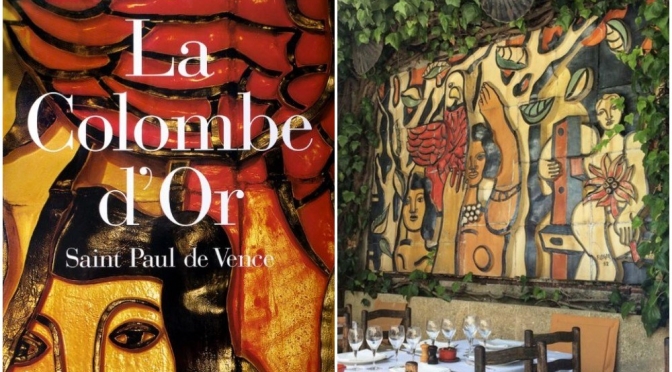
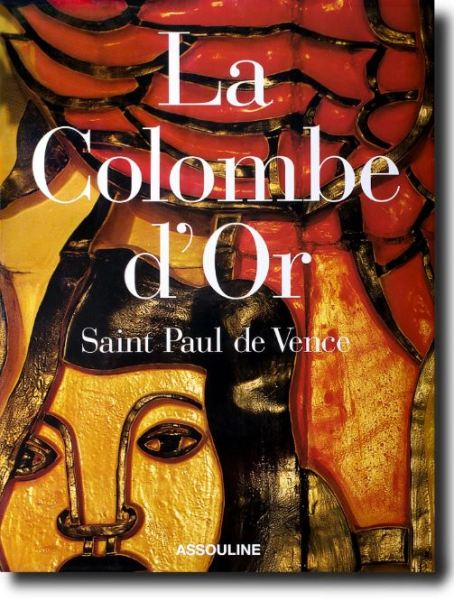 “Provence has a treasure; it’s a Colombe d’Or. It has the precious scent of thyme and nostalgia and the golden colour of olive oil and happy days. The Colombe is a part of my life. For me, it’s a place that’s as full of promise as of magnificent memories. The Colombe is indefinable, inimitable. I’m happy that today a book brings back the atmosphere of this place which is like no other in the world.”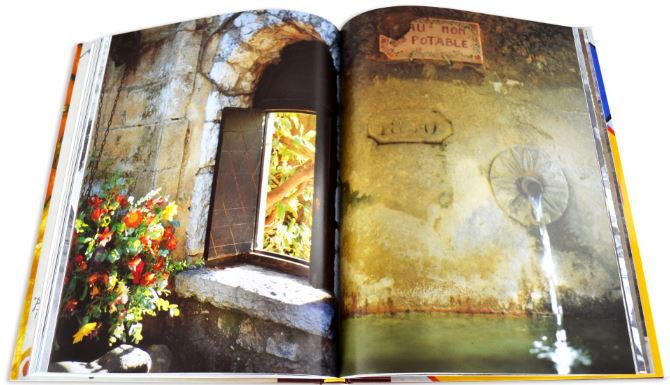
 Boomers Daily