This spring, Barbara and Joe, a retired couple in their 60s, sat down with me at a bistro in suburban Connecticut to talk about their relationship. That they were sitting there together at all was something of a triumph. In the past few days, they had hurled at each other the kinds of accusations that couples make when they are on the brink of mutual destruction. They were bruised from the words that had been exchanged, and although they sat close to each other, their energy was quiet and heavy.
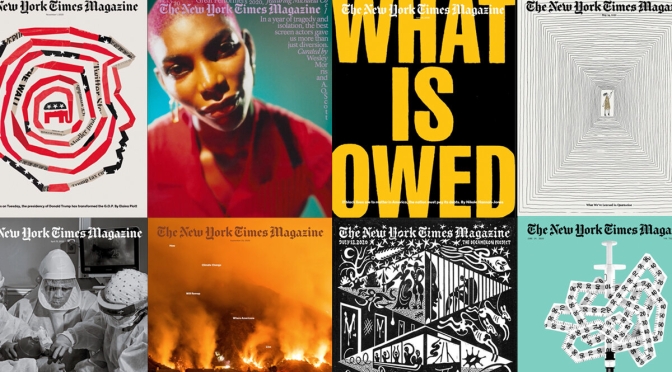
In an interview, the basketball star reveals her humiliation — and friendships — in Russian prison, and her path to recovery.
By J Wortham
On the March afternoon when I met Brittney Griner in Phoenix, the wildflowers were in peak efflorescence, California poppies and violet cones of lupine exploding everywhere. Griner was in bloom too. She was practicing with some local ballers brought in by her W.N.B.A. team, the Mercury, to prepare its players for the start of the season in May. On the court, Griner was loose, confident, trading jokes with the other players between runs.
American investors are gobbling up the storied teams of the English Premier League — and changing the stadium experience in ways that soccer fans resent.
The Globalist Podcast, Friday, August 11: We discuss Biden’s Chinese technology investment ban with David Schlesinger and ask ‘LatinNews’ editor for the Andean region, Lewis Harrison, how the assassination of a presidential candidate in Ecuador could sway voters.
Plus: we find out the latest transport news with Monocle’s Gabriel Leigh, receive an update from the FIFA Women’s World Cup and Monocle’s contributing editor, Andrew Mueller, gives us a schooling in this week’s biggest lessons.
World Economic Forum (May 13, 2023) – This week’s top stories of the week include:
0:15This volcanic bacteria eats CO2 – Scientists say they turn CO2 into biomass ‘astonishingly quickly’ and one day could help remove CO2 from the atmosphere. The microbes were discovered off the coast of the Italian island of Vulcano where the ocean is rich in CO2. They bubble up from volcanic vents on the seafloor. The microbes were discovered by scientists from the Two Frontiers Project who found that the bugs sink in water which could help to sequester the CO2 they absorb.
1:35This Japanese soccer league is over 80s only – It kicked off in April with 3 teams going head-to-head boasting an average age of 83.5. Among the players is ex-national team forward Mutsuhiko Nomura. His career has spanned 70 years and 18 World Cups. Now, aged 83, he patrols the midfield for Red Star. But the league’s veteran is Shingo Shiozawa. The former racing car designer plays in net for the White Bears at the tender age of 93.
3:19Why we need economic growth – Economic growth may not be the only measure of success but in many countries, it saves lives. But economic growth need no longer happen at the expense of the planet.
6:38Women need investment, not just empowerment – Non-profit Grameen Foundation is helping millions of people lift themselves out of poverty by teaching women how to manage money, access loans and manage their businesses. Most importantly, Bai says, women need to have the knowledge to ask the right questions.
_____________________________________________
The World Economic Forum is the International Organization for Public-Private Cooperation. The Forum engages the foremost political, business, cultural and other leaders of society to shape global, regional and industry agendas. We believe that progress happens by bringing together people from all walks of life who have the drive and the influence to make positive change.
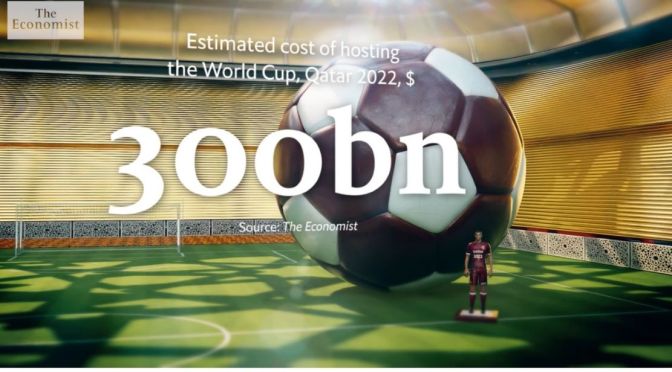
The Economist – Qatar is about to host the most expensive World Cup ever, costing as much as $300bn. Why has this small, gas-rich kingdom chosen to host football’s most prestigious event, and how does it fit into its broader plans for economic transformation?
Video timeline: 00:00 – Why is Qatar hosting the World Cup? 00:57 – World Cups are expensive competitions 01:56 – Qatar’s human rights violations 02:36 – Qatar’s place in the Gulf 04:43 – Qatar distinguishes itself from its neighbours 05:50 – Qatar bids to host the World Cup 07:18 – Qatar’s neighbours issue a blockade 10:12 – What might happen after the World Cup?
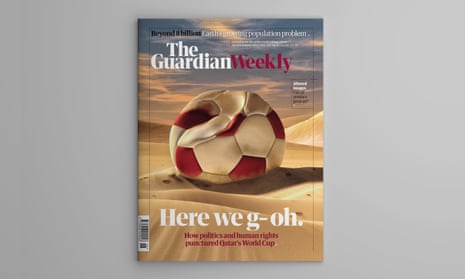
Ordinarily a football World Cup would be a moment for celebration,a time to savour sport’s power to unite nations and a glorious distraction from the problems of the day. Not this time: the 2022 tournament has been mired in controversy since it was awarded to Qatar 12 years ago.
Another dubious global milestone was reached this weekas the world’s population passed 8 billion, according to UN estimates. In a the first of a series of dispatches from the frontline of population growth, Hannah Ellis-Petersen reports from India, which next year will overtake China as the planet’s most populous nation, on what the shift means for the world.
The US midterm elections saw the Democrats fare better than expected, retaining control of the Senate despite looking likely to lose control of the House by a small margin to the Republicans. The more consequential outcome may be for Donald Trump: Chris McGreal and David Smith ask if the former president’s grip on the GOP is weakening, and if his rival Ron DeSantis’s time may be coming.
A selection of three essential articles read aloud from the latest issue of The Economist. This week, climate policy is off target, (10:40) Qatar’s World Cup isn’t quite over the goal line and (18:35) why do people who worry about exams do worse?








 Boomers Daily