On this week’s show, Contributing Correspondent Kai Kupferschmidt talks with host Sarah Crespi about modeling coronavirus spread and the role of forecasts in national lockdowns and other pandemic policies. They also talk about the launch of a global trial of promising treatments.
Also this week, Nadine Gogolla, research group leader at the Max Planck Institute of Neurobiology, talks with Sarah about linking the facial expressions of mice to their emotional states using machine learning.
Scientists around the world are racing to develop a vaccine for COVID-19. But experts have said it could take a year to 18 months for one to hit the market. The process for testing and approving a vaccine is long and complicated.
That can be frustrating when the coronavirus is taking more and more lives every day. But cutting corners to push a vaccine through faster can lead to devastating consequences. We know that, because it’s happened before.
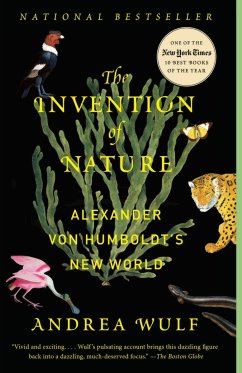
Alexander von Humboldt might not be a name you know, but you can bet you know his ideas. Back when the United States were a wee collection of colonies huddled on the eastern seaboard, colonists found the wilderness surrounding them scary.
It took a zealous Prussian explorer with a thing for barometers to show the colonists what they couldn’t see: a global ecosystem, and their own place in nature. In this episode, we learn how Humboldt—through science and art—inspired a key part of America’s national identity.
More fascinating Humboldt facts:
He strongly opposed slavery in the early 19th century, calling it the “greatest of all the evils which have afflicted mankind.”
He was the first to theorize human caused climate change by changing how water flows through a landscape, on a local level, and warned about deforestation.
He invented isotherms, the lines on a weather map that we still use today. He used them to show which parts of the world were experiencing similar temperatures.
He made the world’s most detailed map of Mexico and the American west.
He nearly summited what was then thought to be the world’s tallest mountain (while wearing 18th century wools, no less.).
Another thing Humboldt and Jefferson bonded over? Mastodons. Humboldt was the first to discover remains of a species now known as Cuvieronius hyodon in Ecuador, which were similar to the “giant elephants” being found in Ohio. The teeth Humboldt found were the clue that these weren’t modern elephants; they looked pretty different. And because these teeth looked sharp, Jefferson and some American scientists thought they were for meat eating! Eventually Georges Cuvier, a French scientist who was friends with Humboldt, proved that these were different from Indian and African elephants, and even woolly mammoths—and the species eventually ended up renamed after him. One of the few eponymous misses for our friend Humboldt!
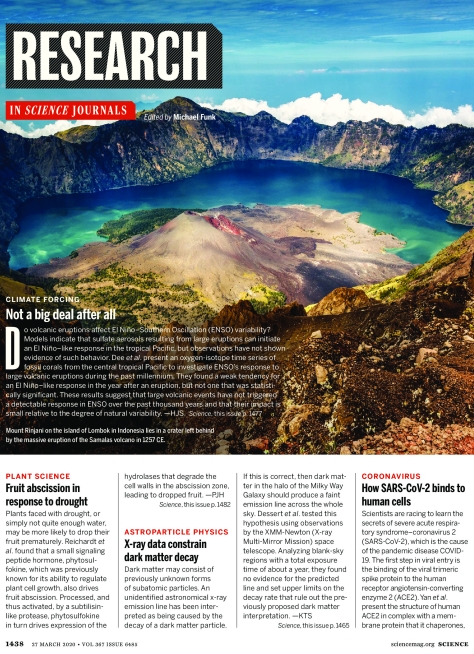
On this week’s show, host Joel Goldberg gets an update on the coronavirus pandemic from Senior Correspondent Jon Cohen. In addition, Cohen gives a rundown of his latest feature, which highlights the relationship between diseases and changing seasons—and how this relationship relates to a potential coronavirus vaccine.
Also this week, from a recording made at this year’s AAAS annual meeting in Seattle, host Meagan Cantwell speaks with Alexandra Maertens, director of the Green Toxicology initiative at Johns Hopkins University, Baltimore, about the importance of incorporating nonanimal testing methods to study the adverse effects of chemicals.
Scientists and doctors have observed for thousands of years that some diseases, like polio and influenza, rise and fall with the seasons. But why? Ongoing research in animals and humans suggests a variety of causes, including changes in the environment (like pH, temperature, and humidity) and even seasonal and daily changes to our own immune systems. Figuring out those answers could one day make all the difference in minimizing the impact of infectious disease outbreaks—such as COVID-19.
Researchers have developed an ultra-fast electrical switch that they hope can be used in communication and imaging applications.
In this episode:
01:57 Speedy switches
Researchers have developed an ultra-fast electrical switch that they hope can be used in communication and imaging applications. Research Article: Nikoo et al.
On this week’s show, host Joel Goldberg talks with science journalist Andrew Curry about archaeological finds from thousands of years ago along the shores of Northern Europe. Curry outlines the rich history of the region that scientists, citizen scientists, and energy companies have helped dredge up.
Also this week, from a recording made at this year’s AAAS annual meeting in Seattle, host Meagan Cantwell speaks with Elizabeth Margulis, a professor at Princeton University, about musical memory. Margulis explains what research tells us about how our brains process music, and dives into her own study on how Western and non-Western audiences interpret the same song differently.


 On this week’s show, Contributing Correspondent Kai Kupferschmidt talks with host Sarah Crespi about modeling coronavirus spread and the role of forecasts in national lockdowns and other pandemic policies. They also talk about the launch of a global trial of promising treatments.
 Scientists around the world are racing to develop a vaccine for COVID-19. But experts have said it could take a year to 18 months for one to hit the market. The process for testing and approving a vaccine is long and complicated.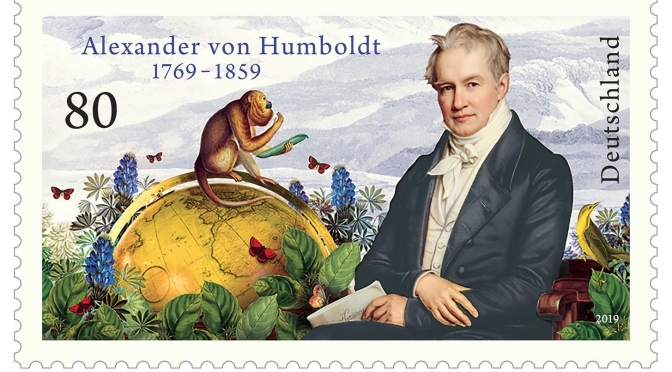
 Alexander von Humboldt might not be a name you know, but you can bet you know his ideas. Back when the United States were a wee collection of colonies huddled on the eastern seaboard, colonists found the wilderness surrounding them scary.
  episode, we learn how Humboldt—through science and art—inspired a key part of America’s national identity.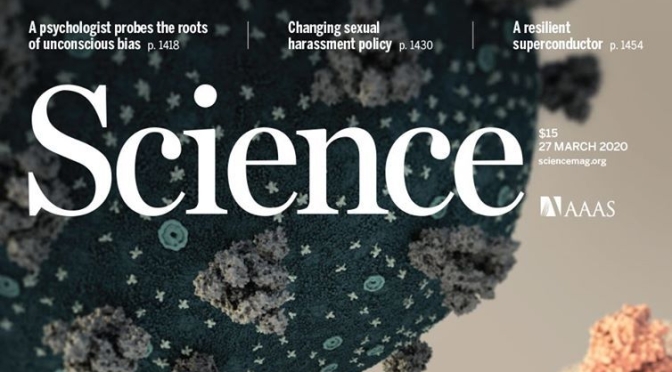
 On this week’s show, host Joel Goldberg gets an update on the coronavirus pandemic from Senior Correspondent Jon Cohen. In addition, Cohen gives a rundown of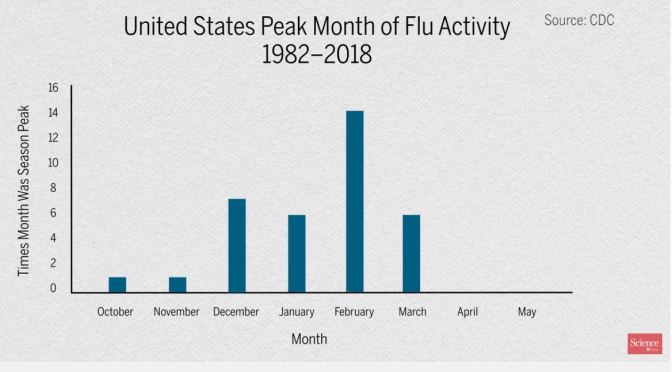

 Researchers have developed an ultra-fast electrical switch that they hope can be used in communication and imaging applications.
 On this week’s show, host Joel Goldberg talks with science journalist Andrew Curry about archaeological finds from thousands of years ago along the shores of Northern Europe. Curry outlines the rich history of the region that scientists, citizen scientists, and energy companies have helped dredge up.

 Boomers Daily