
 Hear the latest from the world of science, brought to you by Nick Howe and Shamini Bundell. This week, uncovering the structure of materials with useful properties, and quantum entanglement over long distances.
In this episode:
00:45 Analysing Prussian blues
Analogues of the paint pigment Prussian blue are used in a variety of chemical processes. Now, researchers have uncovered their atomic structure. Research Article: Simonov et al.; News and Views: Ordered absences observed in porous framework materials
08:17 Research Highlights
Teenagers’ natural sleep cycles impact on academic performance, and an extinct, giant rodent with a surprisingly tiny brain. Research Highlight: A teenager’s body clock can ring in school success; Research Highlight: Giant extinct rodent was all brawn and little brain
10:49 Distant entanglement
Researchers have demonstrated quantum entanglement between two points separated by 50 km of fibre optic cables. Research Article: Yu et al.
17:17 News Chat
The latest on the coronavirus outbreak, and gene editing gets an upgrade. News: Coronavirus: latest news on spreading infection; News: Super-precise CRISPR tool enhanced by enzyme engineering
 On this week’s show, Staff Writer Jennifer Couzin-Frankel joins host Sarah Crespi to talk about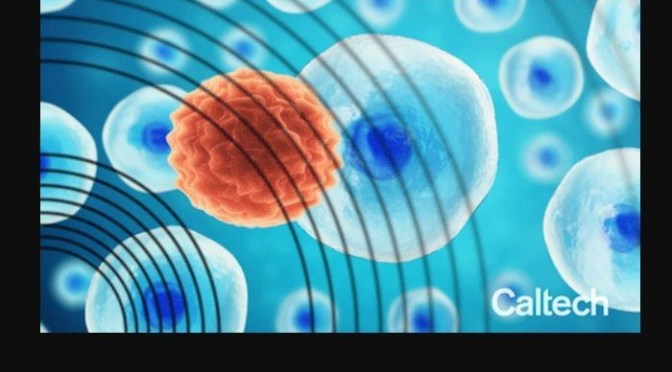
 The hope, Lee says, is that ultrasound will kill cancer cells in a specific way that will also engage the immune system and arouse it to attack any cancer cells remaining after the treatment.
 Ultrasound waves—sound waves with frequencies higher than humans can hear—have been used as a cancer treatment before, albeit in a broad-brush approach: high-intensity bursts of ultrasound can heat up tissue, killing cancer and normal cells in a target area. Now, scientists and engineers are exploring the use of low-intensity pulsed ultrasound (LIPUS) in an effort to create a more selective treatment.
 Hear the latest from the world of science, brought to you by Benjamin Thompson and Nick Howe. This week, how setting an out-of-office email could help promote a kinder academic culture.
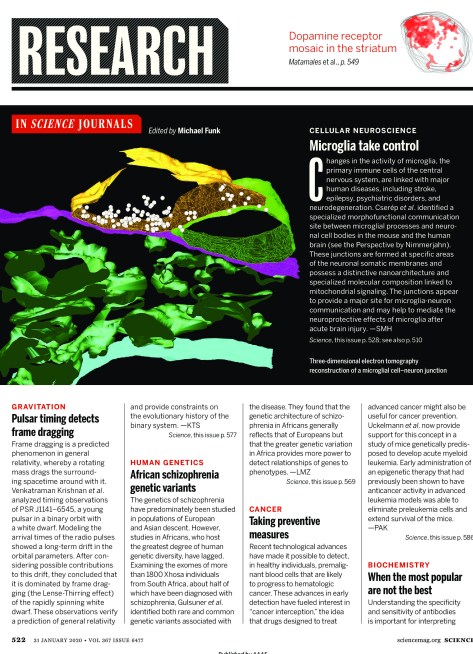
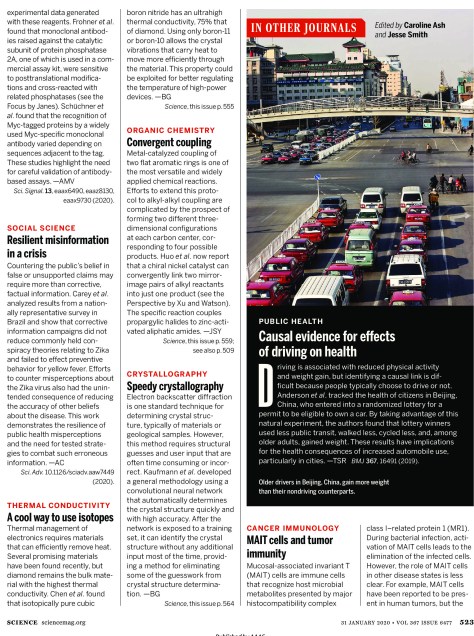
 Structural biologists rejoiced when cryo–electron microscopy, a technique to generate highly detailed models of biomolecules, emerged. But years after its release, researchers still face long queues to access these machines. Science’s European News Editor Eric Hand walks host Meagan Cantwell through the journey of a group of researchers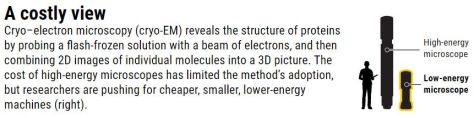
 Hear the latest science news, brought to you by Nick Howe and Benjamin Thompson. This week, why stress makes mice turn grey, and how to think about climate change.
 Boomers Daily