

Covid-19’s Delta variant is proliferating world-wide threatening unvaccinated populations and economic recovery. WSJ breaks down events in key countries to explain why Delta spreads faster than previously detected strains. Composite: Sharon Shi
Tag Archives: Science
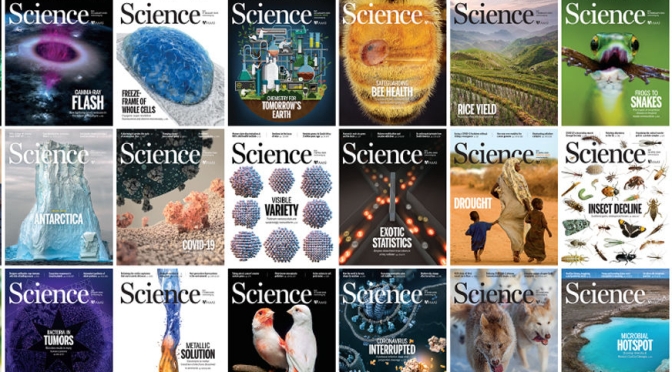
Journal Views: Science Magazine – July 23, 2021
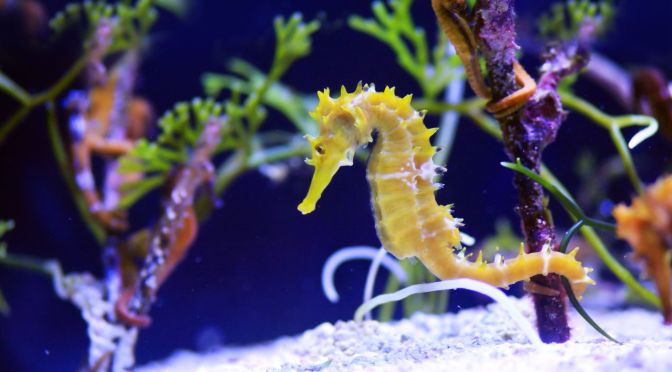
Zoology: The Evolution Of Seahorses (Video)
Sea horses are amazing animals because of many of their strange features like male pregnancy but also due to their beautifully unique body shape. However, this may be the reason why seahorses are famous but it actually makes them very bad swimmers so why did they evolve to have this unique body shape?
A seahorse is any of 46 species of small marine fish in the genus Hippocampus. “Hippocampus” comes from the Ancient Greek hippókampos, itself from híppos meaning “horse” and kámpos meaning “sea monster”.

Ocean Science: Can Kelp Forests Survive Climate Change, Trawler Fishing
Kelp locks up millions of tonnes of carbon globally, provides a nursery for fish and is a buffer against coastal flooding. But climate change, weather and fishing are taking their toll. Now, Mika Peck and his team at the University of Sussex are monitoring kelp off the south coast of the UK, to see if it can recover from the damage done to it by trawling and help improve biodiversity in the area.
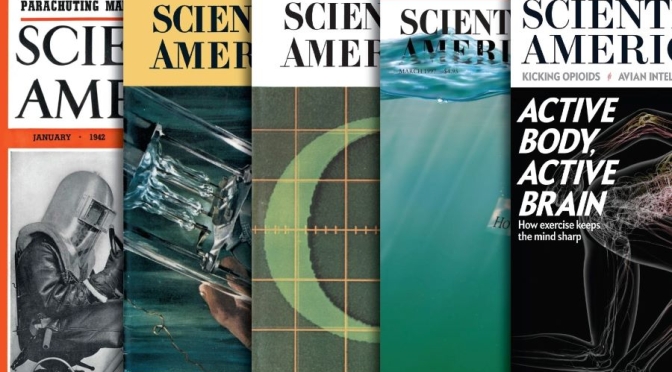
Front Covers: Scientific American – August 2021
Science: Gun Violence Research Returns, Pikas In Winter & Glass Sponges
Funding for gun violence research in the US returns after a 20-year federal hiatus, and the glass sponges that can manipulate ocean currents.
In this episode:
00:45 Gun violence research is rebooted
For 20 years there has been no federally-funded research on gun violence in the US. In 2019, $25 million a year was allocated for this work. We speak to some of the researchers that are using these funds, and the questions they are trying to answer about gun violence.
News Feature: Gun violence is surging — researchers finally have the money to ask why
Podcast: Stick to the science
09:21 Research Highlights
Strategic laziness and yak dung help pikas survive harsh winters, and how food gets wasted in China’s supply chains.
Research Highlight: Pikas in high places have a winter-time treat: yak poo
Research Highlight: China wastes almost 30% of its food
11:40 How a sea sponge controls ocean currents
Venus’ flower baskets are marine sponges that live at the bottom of the Pacific Ocean. These sponges have an unusual glass skeleton that helps them gather food, and even appears to control ocean currents.
Research Article: Falcucci et al.
News and Views: Fluid flow through a deep-sea sponge could inspire engineering designs
18:55 Briefing Chat
We discuss some highlights from the Nature Briefing. This time, investment in non-human primate facilities, and the European Union’s latest climate plan.
Nature News: The US is boosting funding for research monkeys in the wake of COVID
BBC News: EU unveils sweeping climate change plan
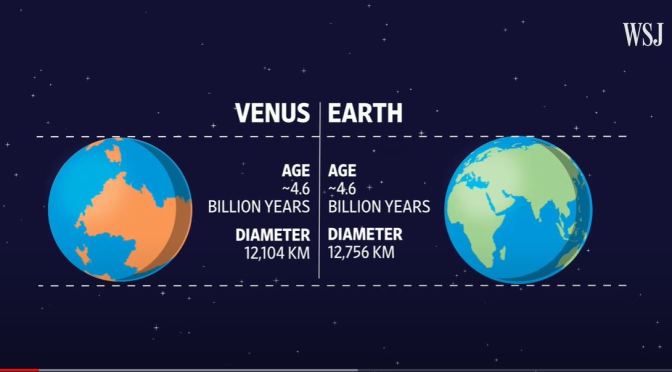
NASA Space Missions: The Search For Life On Venus
NASA is planning two missions to Venus to assess if the now-toxic planet once had an ocean, continents and life. Scientists are beginning the effort on Earth by training sensors and machine learning systems to analyze the building blocks of our own planet. Photo illustration: Laura Kammermann
Science: Race-Based Medicine, Space Tourism & Western U.S. Heatwave
Race-based medical practises are being challenged more and more, as it becomes increasingly clear they have little basis in science.
The team finds out why adjustments for race and ethnicity are still being made in medicine, despite the potential harm and healthcare implications they cause. It’s been a massive week for the future of space tourism – the team shares a clip of a very excited Richard Branson who’s recent journey into microgravity has set the stage for the launch of Virgin Galactic’s first commercial space flights. The team gives an update on the dramatic heatwave ravaging the US, as more record high temperatures are set, continuing to leave destruction in its wake. They also explain what ‘impact gardening’ is and why it might help us find alien life on Jupiter’s moon Europa, and they share important news on the state of the cosmetics industry in Neolithic times. On the pod are Rowan Hooper, Chelsea Whyte, and Layal Liverpool.
Journal Views: ‘Science Magazine’ – July 16, 2021
Science: Heat Waves In U.S. Impacting Minorities, Graphene Layers, Twitter
Why heat waves disproportionately impact minorities in US cities, and the researcher that critiqued his whole career on Twitter.
In this episode:
00:45 How heat waves kill unequally
Researchers are beginning to unpick how historic discrimination in city planning is making the recent heat waves in North America more deadly for some than others.
News Feature: Racism is magnifying the deadly impact of rising city heat
11:59 Research Highlights
A graphene layer can protect paintings from age, and a new and endangered species of ‘fairy lantern’.
Research Highlight: A graphene cloak keeps artworks’ colours ageles
Research Highlight: Newfound ‘fairy lantern’ could soon be snuffed out forever
14:25 Self-criticism
When researcher Nick Holmes decided to criticise his past papers, in 57 tweets, he found the reflection enlightening. Now he’s encouraging other researchers to self-criticise, to help speed scientific progress.
World View: I critiqued my past papers on social media — here’s what I learnt
20:53 Briefing Chat
We discuss some highlights from the Nature Briefing. This time, Richard Branson’s commercial space flight, and the Maori perspective on Antarctic conservation.
The Washington Post: Richard Branson and his Virgin Galactic crew are safely back from space, ushering in a new era
The New York Times: The Maori Vision of Antarctica’s Future (intermittent paywall)
 Boomers Daily