Science Magazine – January 18, 2024: The new issue features‘Plants And People’ – Global Hotspots of Utilized Plants; Long Covid Markers of Immune Dysfunction; A mammoth’s life story, written in tusk, and more…
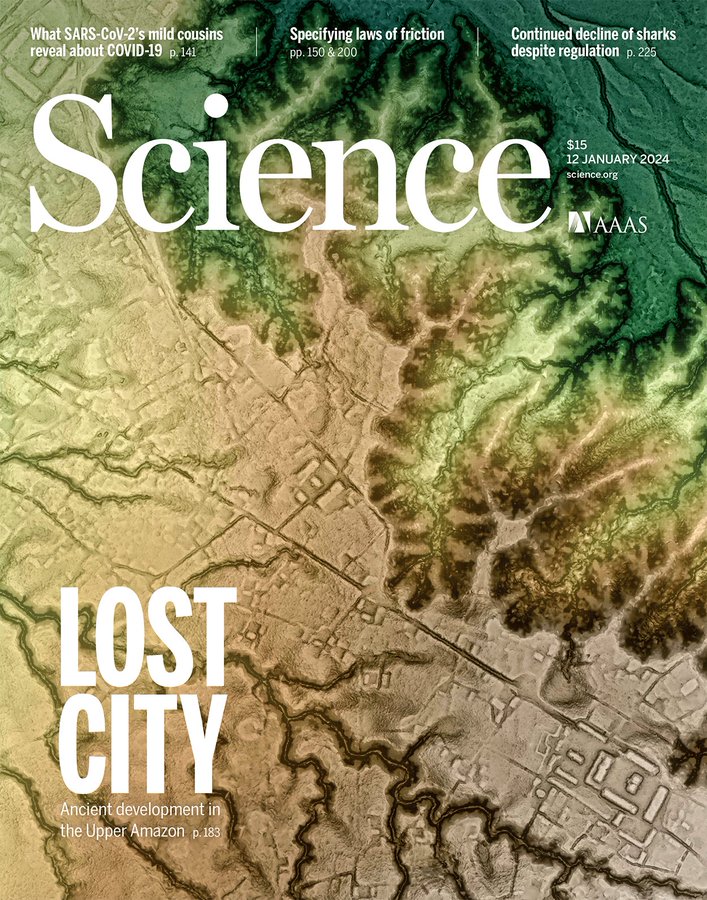
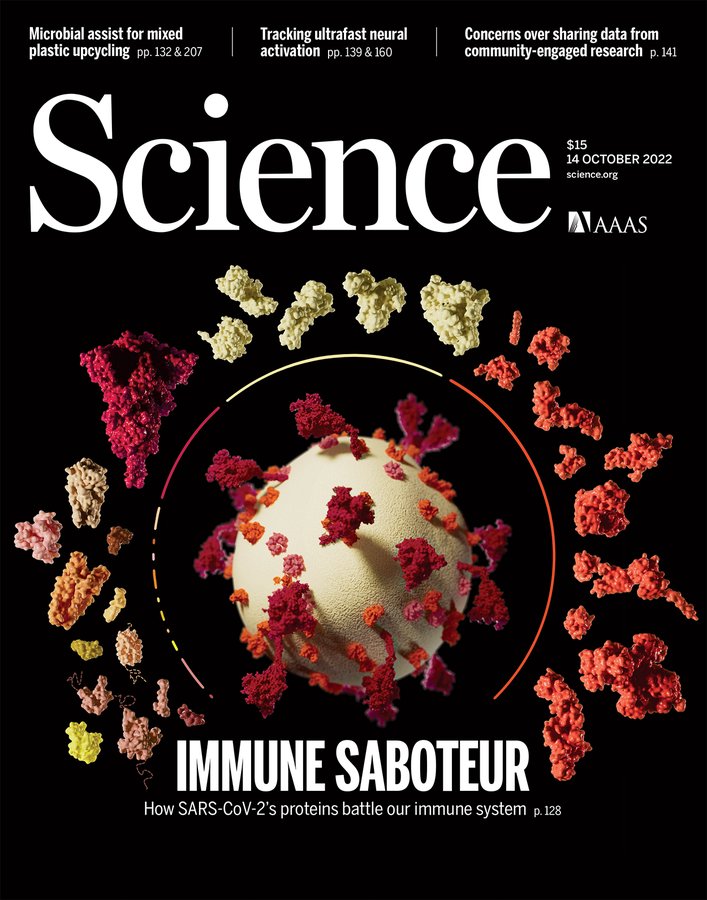
Science Magazine – January 11, 2024: The new issue features‘Lost City’ – Ancient development in the Upper Amazon; What SARS-CoV-2’s mild cousins reveal about Covid-19; Specifying laws of friction and a Continued decline in sharks despite regulation…
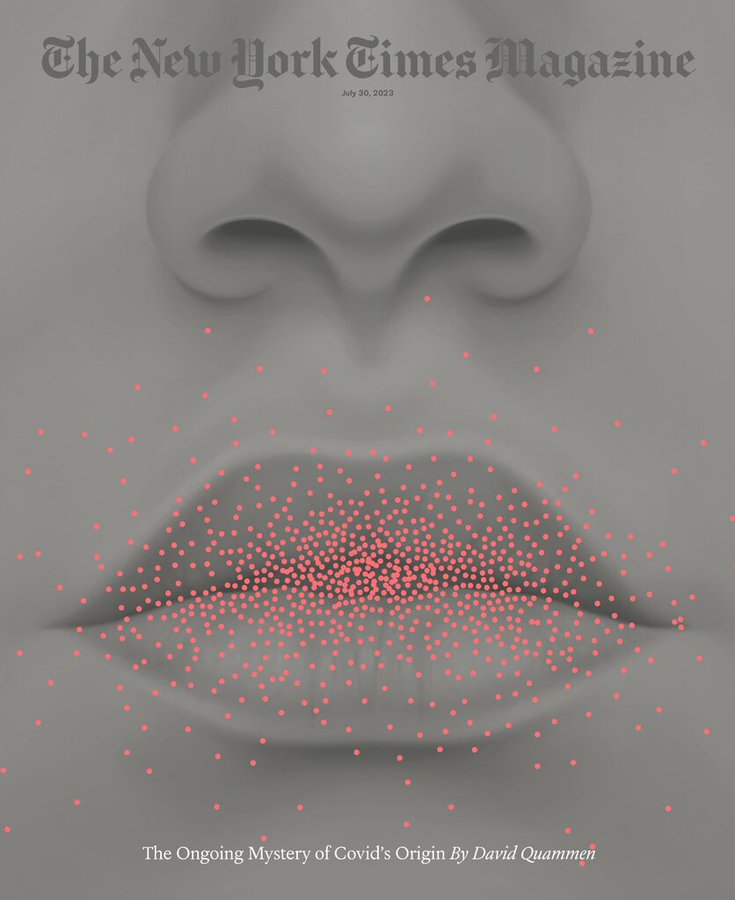
THE NEW YORK TIMES MAGAZINE (July 30, 2023) – In this week’s cover story, David Quammen reports on the ongoing mystery of Covid’s origin, what we do know — and why it matters. Plus, a profile of a poet who was kidnapped from his Black father by his white grandparents and a look at a group of English activists’ fight for the right to access public lands.
We still don’t know how the pandemic started. Here’s what we do know — and why it matters.
By David Quammen
Where did it come from? More than three years into the pandemic and untold millions of people dead, that question about the Covid-19 coronavirus remains controversial and fraught, with facts sparkling amid a tangle of analyses and hypotheticals like Christmas lights strung on a dark, thorny tree. One school of thought holds that the virus, known to science as SARS-CoV-2, spilled into humans from a nonhuman animal, probably in the Huanan Seafood Wholesale Market, a messy emporium in Wuhan, China, brimming with fish, meats and wildlife on sale as food. Another school argues that the virus was laboratory-engineered to infect humans and cause them harm — a bioweapon — and was possibly devised in a “shadow project” sponsored by the People’s Liberation Army of China.
A group of English activists want to legally enshrine the “right to roam” — and spread the idea that nature is a common good.
By Brooke Jarvis
The signs on the gateat the entrance to the path and along the edge of the reservoir were clear. “No swimming,” they warned, white letters on a red background.
On a chill mid-April day in northwest England, with low, gray clouds and rain in the forecast, the signs hardly seemed necessary. But then people began arriving, by the dozens and then the hundreds. Some walked only from nearby Hayfield, while others came by train or bus or foot from many hours away. In a long, trailing line, they tramped up the hill beside the dam and around the shore of the reservoir, slipping in mud and jumping over puddles. Above them rose a long, curving hill of open moorland, its heather still winter brown. When they came to a gap between a stone wall and a metal fence, they squeezed through it, one by one, slipping under strings of barbed wire toward the water below.
Even mild COVID-19 is at least correlated with a startlingly wide spectrum of seemingly every illness. We need a much better taxonomy to address people’s suffering.
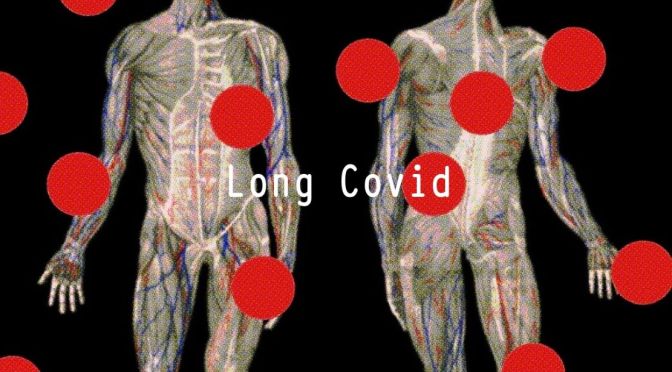
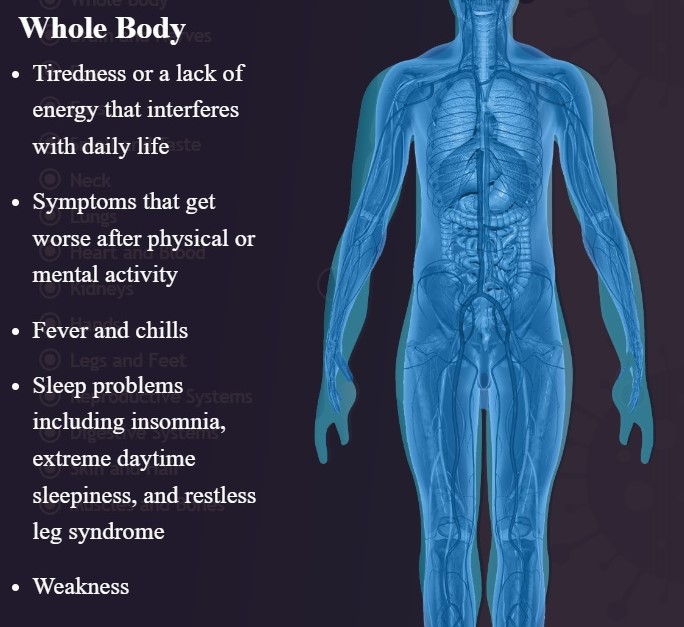
Long Covid – Whole Body Symptoms
From The Atlantic, October 5, 2022:
The cases of long covid that turn up in news reports, the medical literature, and in the offices of doctors like me fall into a few rough (and sometimes overlapping) categories. The first seems most readily explainable: the combination of organ damage, often profound physical debilitation, and poor mental health inflicted by severe pneumonia and resultant critical illness.
This serious long-term COVID-19 complication gets relatively little media attention despite its severity. The coronavirus can cause acute respiratory distress syndrome, the gravest form of pneumonia, which can in turn provoke a spiral of inflammation and injury that can end up taking down virtually every organ. I have seen many such complications in the ICU: failing hearts, collapsed lungs, failed kidneys, brain hemorrhages, limbs cut off from blood flow, and more. More than 7 million COVID-19 hospitalizations occurred in the United States before the Omicron wave, suggesting that millions could be left with damaged lungs or complications of critical illness. Whether these patients’ needs for care and rehabilitation are being adequately (and equitably) met is unclear: Ensuring that they are is an urgent priority.
Researchers have developed a drug to target #SARSCoV2. The molecule, known as PF-07321332, can be delivered in pill form, which may lead to a #COVID19 treatment that can be used outside of a hospital setting.









 Boomers Daily