
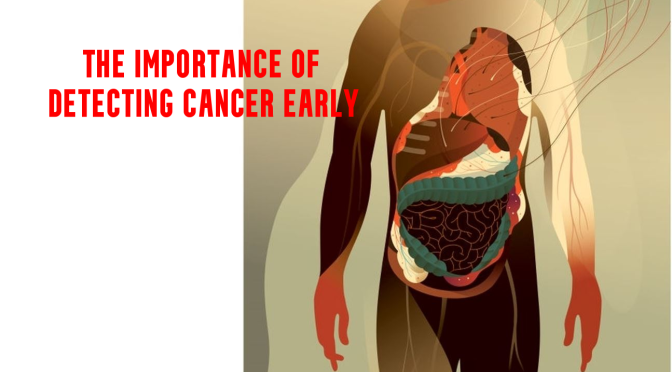
Despite the vast resources aimed at finding ways to detect cancer early, more needs to be done. The disease, in all its forms, is most treatable when caught in its initial stages. https://t.co/IhvPA4QBiG
— Scientific American (@sciam) November 17, 2021
Tag Archives: Research

Front Covers: Nature Magazine – November 4
Research: Combatting Antibiotic Resistance
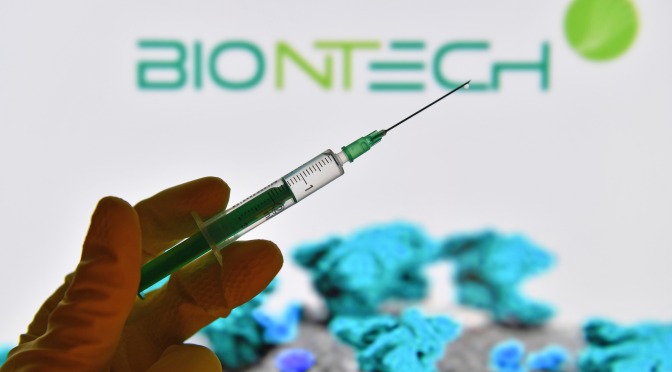
Covid-19: How BioNTech Used Its Cancer Research To Create A Vaccine (CNBC)
Over a month and a half before the World Health Organization officially declared a pandemic, BioNTech CEO Uğur Şahin met with his wife, BioNTech’s co-founder and chief medical officer Özlem Türeci, and together they agreed to redirect most of the company’s resources to developing a vaccine. Up until that point, BioNTech was little-known internationally and primarily focused on developing novel cancer treatments. The founders were confident in the potential of their mRNA technology, which they knew could trigger a powerful immune response. That confidence wasn’t necessarily shared by the broader medical community. No mRNA vaccine or treatment had ever been approved before. But the couple’s timely breakthrough was actually decades in the making. CNBC spoke with Şahin and Türeci about how they, along with Pfizer, created a Covid-19 vaccine using mRNA.
Front Covers: Nature Magazine – October 14
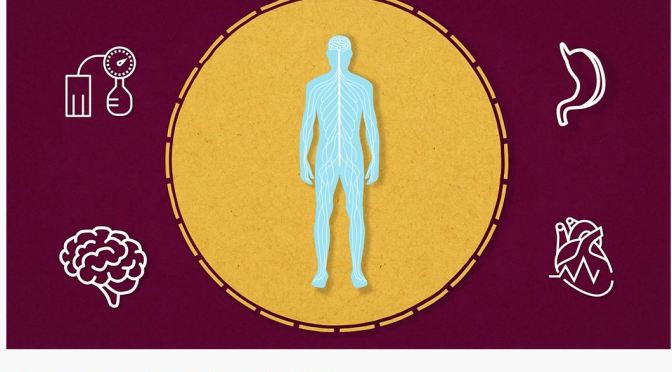
Science Of The Brain: What Is Interoception? (Scripps)
Your brain is keenly aware of what’s going on inside your body at all times. Some things are obvious – like when you feel hungry or thirsty. But some things you never notice – like how blood vessels all over your body simultaneously contract as you stand up, so you don’t lose blood flow to your brain. But how does your brain know when to send the signal to squeeze? It’s all part of concept scientists call interoception – the dialogue between your brain and the rest of your body.
Interoception is involved in everything from keeping us balanced while we walk, to keeping our blood pressure and heart rate steady. It even appears to influence our moods and emotions. And thanks to recent discoveries, we’re learning more about how interoception works. Researchers identified two special channels in neurons that react to touch and named them PIEZO1 and PIEZO2. Since first identifying these pressure sensors, researchers have found PIEZOs in internal organs like the heart, lungs, and blood vessels lining the stomach… suggesting many physiological functions involve mechanical forces that our brain and other parts of our nervous system must monitor and influence. As the study of interoception grows, scientists are hopeful the field could lead to breakthroughs in treating heart disease, controlling blood pressure, relieving anxiety and depression, and treating a number of other disorders. Learn more about Scripps Research at scripps.edu.

Covid-19: Can Vaccines Keep Up With Variants?
The race between covid-19 vaccines and variants is on. Alok Jha, The Economist’s science correspondent, and Natasha Loder, health policy editor, discuss what this means for the future Read more of our coverage on coronavirus: https://econ.st/3t1L6wx

Science: Endometriosis Insights, Deep Learning That Predicts RNA Folding
News Intern Rachel Fritts talks with host Sarah Crespi about a new way to think about endometriosis—a painful condition found in one in 10 women in which tissue that normally lines the uterus grows on the outside of the uterus and can bind to other organs.
Next, Raphael Townshend, founder and CEO of Atomic AI, talks about predicting RNA folding using deep learning—a machine learning approach that relies on very few examples and limited data.
Finally, in this month’s edition of our limited series on race and science, guest host and journalist Angela Saini is joined by author Lundy Braun, professor of pathology and laboratory medicine and Africana studies at Brown University, to discuss her book: Breathing Race into the Machine: The Surprising Career of the Spirometer from Plantation to Genetics.




 Boomers Daily