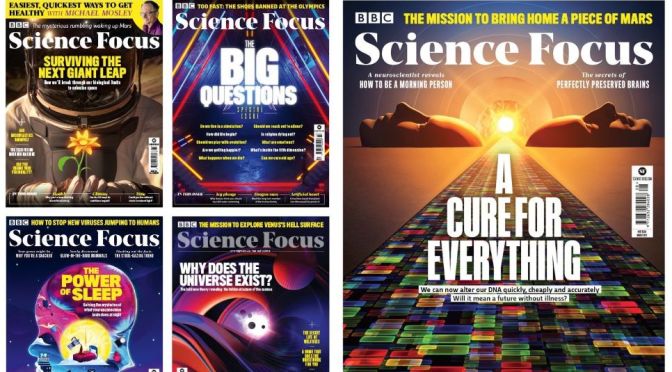
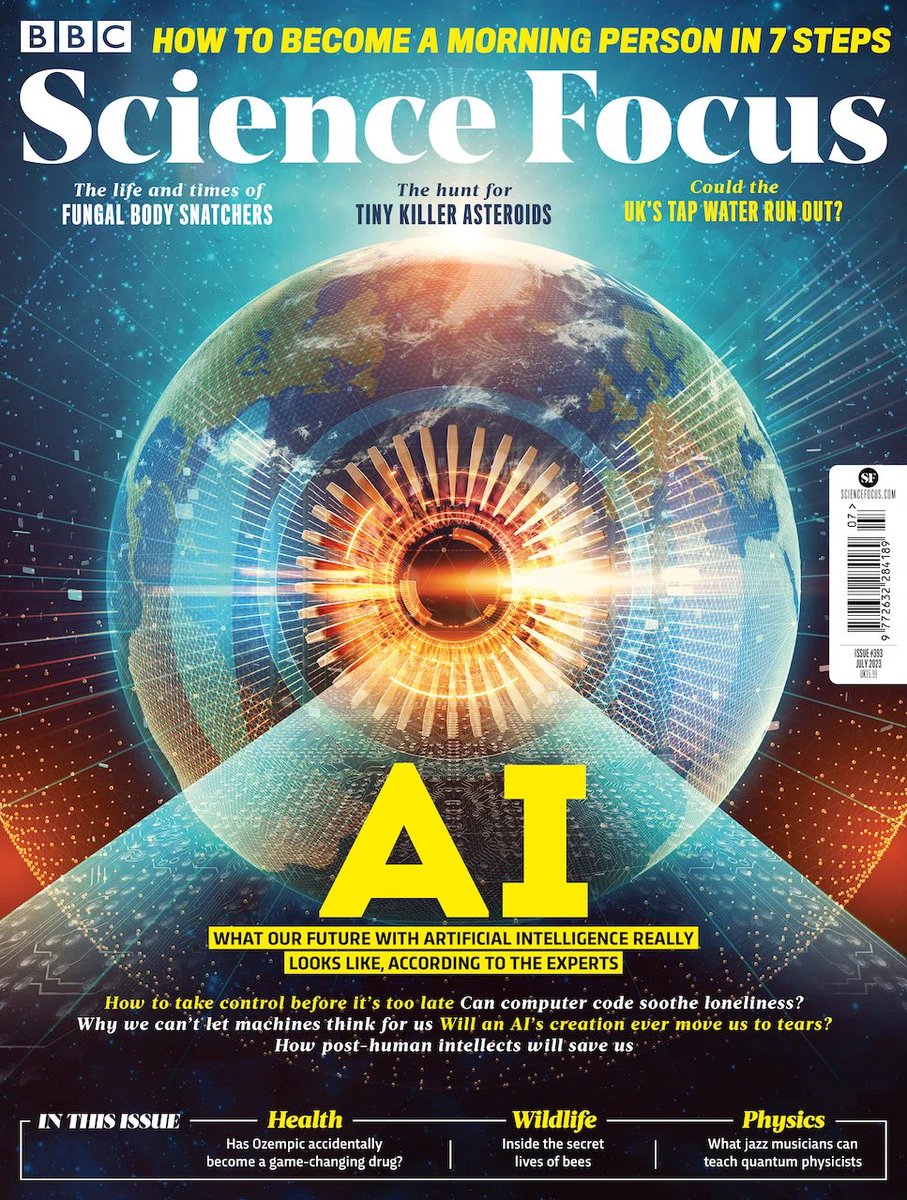
BBC Science Focus Magazine (July 2023) – What our future with Artificial Intelligence really looks like, according to the experts; How to take control of AI before it’s too late, and more…
OpenAI is back in the headlines with news that it is updating its viral ChatGPT with a new version called GPT-4. But when will this be available, how does it work and can you use it?
Artificial intelligence art generators train themselves on art pulled straight from the internet… but what happens when most of the art out there is now made by AI?
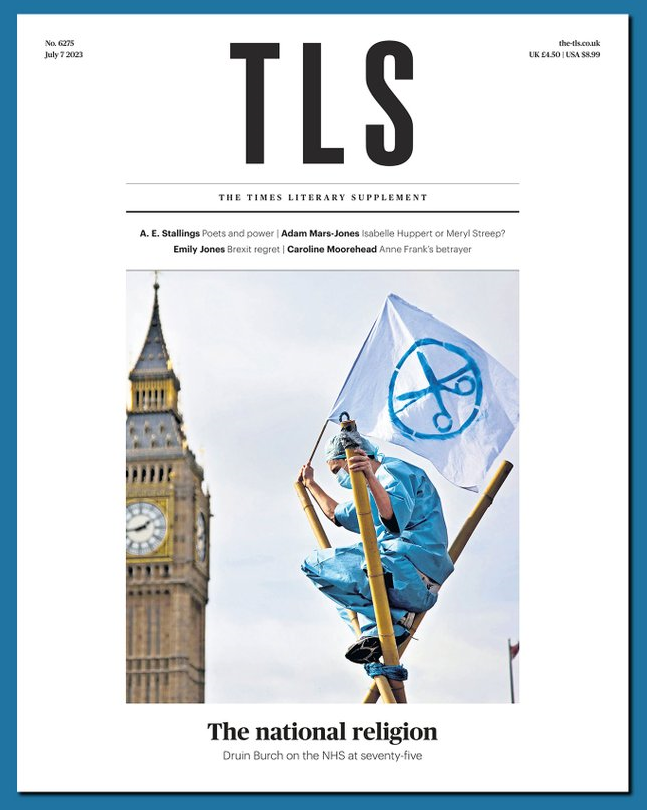
Times Literary Supplement (July 7, 2023): The national religion – NHS at seventy-five; The history of female combatants from ancient times to the present; The temptation for Romantic writers to tip into over-familiarity, and more…
In times of uncertainty, hardship or illness, re-reading a favourite novel can be a source of immense comfort. Even when we read something new, elements of familiarity – in plot, character and theme – can make us feel that the words have sprung from our subconscious. Familiarity connects us to our past and gives a sense of belonging to a community of readers. It can turn fictional characters into friends, make authors feel like confidants and render imagined settings as reassuring as a childhood home.
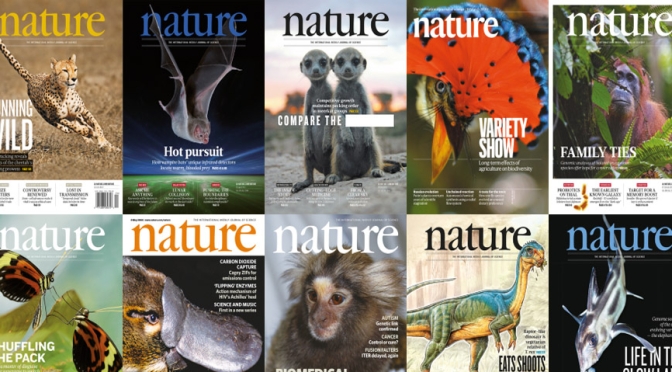
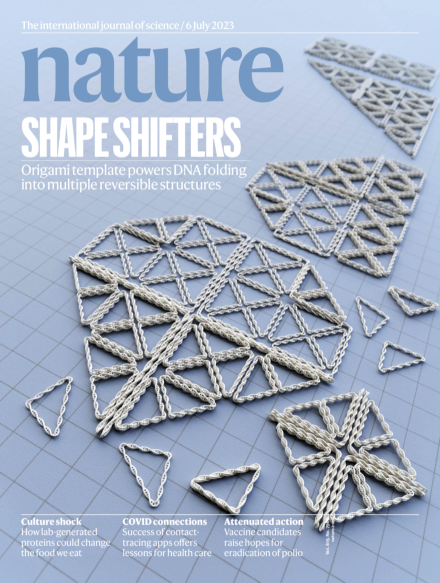
nature Magazine -July 6, 2023 issue:Shape shifters – DNA origami allows useful supramolecular structures to be created from templates. But the process has its limitations, with most structures confined to two configurations: folded or unfolded.
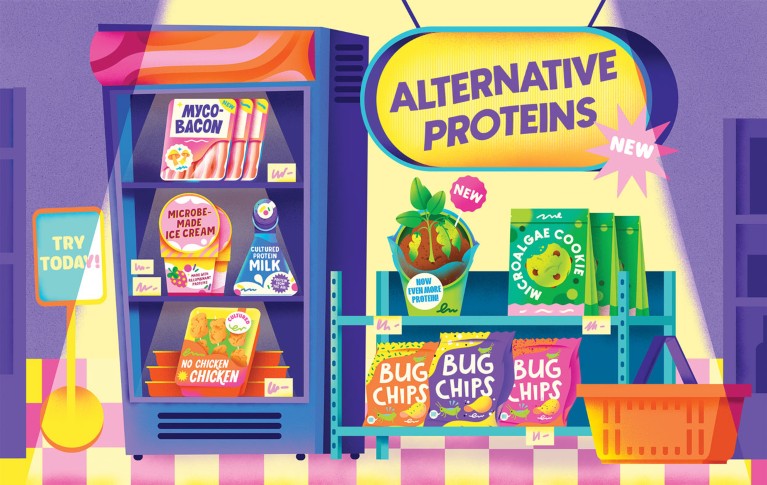
Humanity needs to eat less meat. Here are seven alternatives.
Would you eat a burger enriched with mealworms? Fake bacon sliced from a mass of fermented fungi? Milk proteins extruded by microbes? Maybe you already have. Dozens of companies are now banking on these alternatives to animal protein becoming a regular part of your diet.
Complexes formed from ‘nanobodies’ and an antiviral drug halt infection in its tracks.
A dynamic duo comprising an antiviral drug joined to an antibody fragment provides strong protection against the two main types of influenza that infect humans, according to research in mice.
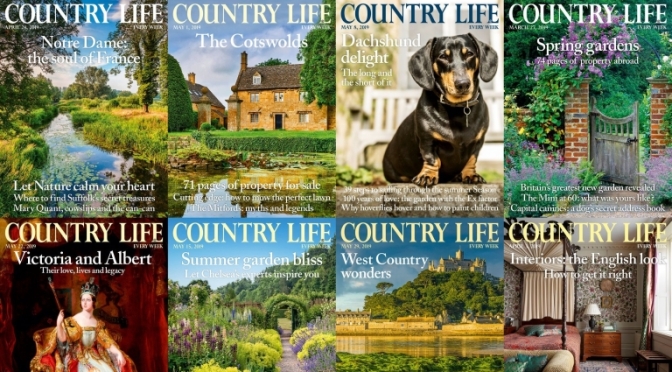
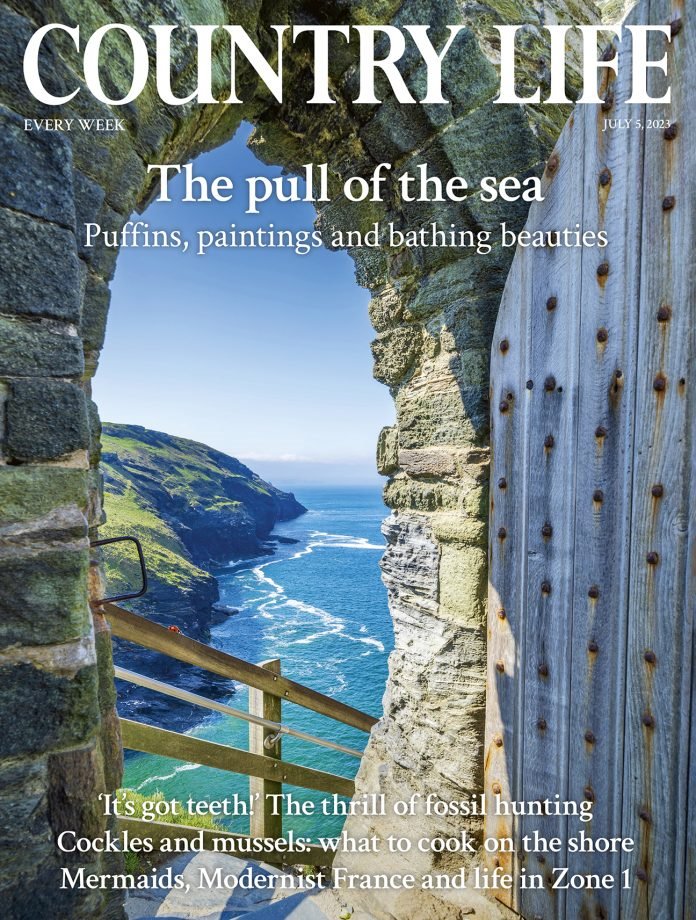
Country Life Magazine – July 5, 2023 issue: The seashore as artistic inspiration, from Constable’s wild skies to Gormley’s lonely figures; Puffins -the parrots of the sea; A history of mermaids, and more…
A shore thing – Michael Prodger examines the seashore as artistic inspiration, from Constable’s wild skies to Gormley’s lonely figures
Meet the parrots of the sea – The colourful puffin inspires amused adoration in everyone, but the big-beaked birds have a tough side, finds Ian Morton
Tripping the light fintastic – Sinister sirens who lure sailors to their deaths or beautiful beings who drag men from watery graves? Carla Passino combs history for mention of mermaids
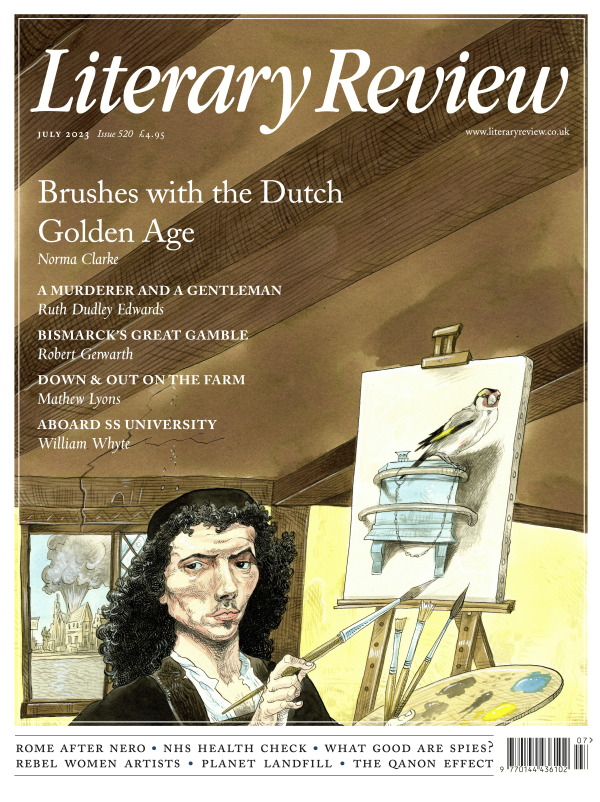
Literary Review – July 2023 Issue: Brushes with the Dutch Golden Age; @LauraCummingArt’s ‘Thunderclap’ – a remarkable experiment in form as well as a richly satisfying extended meditation on art, life and death’; Bismarck’s Great Gamble; Eden by Thames – The Infinite City: Utopian Dreams on the Streets of London…
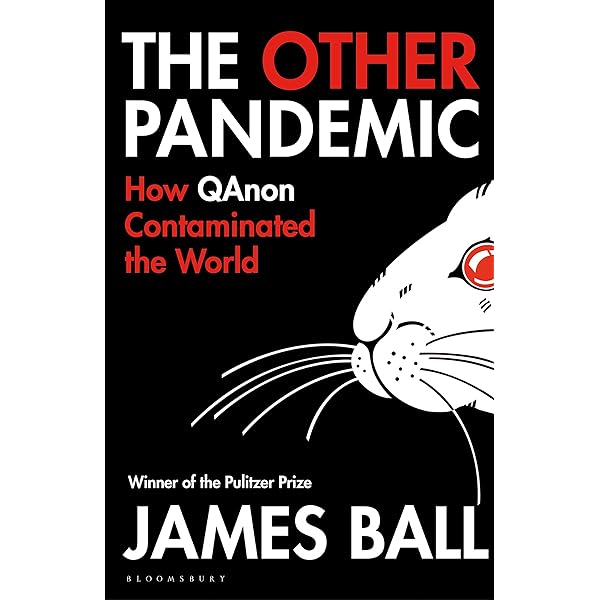
The Other Pandemic: How QAnon Contaminated the World By James Ball
Back in the mists of time, great idealism surrounded social media. There was a sense that global interconnection would shift us into a more egalitarian and democratic age. How time makes fools of us all.
Thunderclap: A Memoir of Art & Life & Sudden Death By Laura Cumming
As a teenager with an interest in art, growing up on London’s Old Kent Road with a father whose mantra was ‘God gave you legs to walk’ (he didn’t believe in God but he did believe in walking), I often found myself on Sunday afternoons walking to the National Gallery in Trafalgar Square. I remember distinctly the day I discovered the Dutch painters. It wasn’t Rembrandt or Vermeer who caught my eye, but Hendrick Avercamp and, especially, Pieter de Hooch.
I did everything I could to avoid writing my historical novel. When I finally started “The Fraud,” one principle was clear: no Dickens. By Zadie Smith
For the first thirty years of my life, I lived within a one-mile radius of Willesden Green Tube Station. It’s true I went to college—I even moved to East London for a bit—but such interludes were brief. I soon returned to my little corner of North West London. Then suddenly, quite abruptly, I left not just the city but England itself. First for Rome, then Boston, and then my beloved New York, where I stayed ten years. When friends asked why I’d left the country, I’d sometimes answer with a joke: Because I don’t want to write a historical novel. Perhaps it was an in-joke: only other English novelists really understood what I meant by it. And there were other, more obvious reasons.
After a millennium, she remains the hardest-working woman in literature. It was not enough to be saddled with a husband who had the nasty habit of marrying and murdering a new virgin every day to assure himself of spousal fidelity. Nor was it enough to produce a series of nested stories under such deadlines (truly, I complain too much), stories so prickly and tantalizing that the king postponed her murder every night to wait for the next installment. That’s to say nothing of the entirely forgotten three children she bore over those thousand and one nights. Who recalls that there was always a new baby in Scheherazade’s arms?
FAST channels have brought back old-school TV channel guides—and plenty of advertising. But the shows are free and incredibly varied. Media execs are taking note.
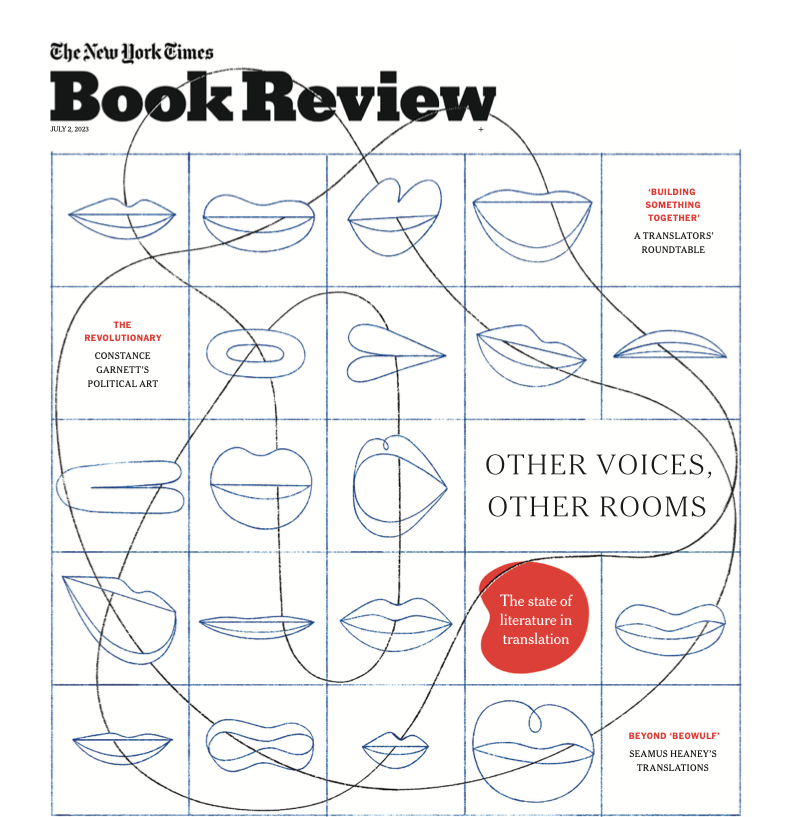
Over the years, some 100 people have translated the entire “Iliad” into English. The latest of them, Emily Wilson, explains what different approaches to one key scene say about the original, and the translators.
“There has to be chemistry,” says the writer and prolific translator, whose second book will come out next year. “You don’t need prior knowledge of, say, Iceland or Icelandic in order to appreciate Victoria Cribb’s translation of Sjón.”
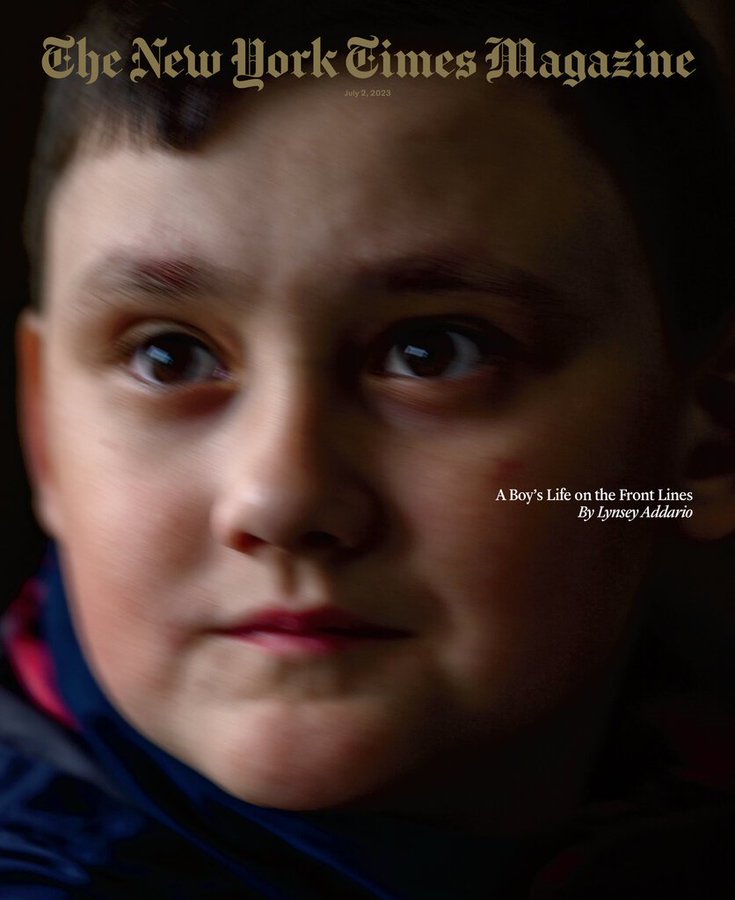
In this week’s cover story, Lynsey Addario takes us to a Ukrainian town where an 11-year-old is navigating a childhood transformed by war. Plus, a profile of the Christian pop star Marcos Witt and an investigation into how federal law targets thousands of women on anti-addiction medications.
In a Ukrainian town, an 11-year-old navigates a childhood transformed by war.
In a town near the Eastern front lines of the Donbas region of Ukraine, an 11-year-old boy named Yegor’s days were as predictable as they could be, given the unpredictability of war.
A string of uncanny videos show what generative A.I. and advertising have in common: They chew up the cultural subconscious and spit it back at us.
By Mac Schwerin
Even if I didn’t work in advertising, I would be a connoisseur of commercials. You’re probably one, too. Think of all the tropes you’ve ingested over the years — the forest-green hatchbacks conquering rugged Western landscapes, the miles of mozzarella stretched by major pizza chains. These are the images that let you know what kind of pitch you’re watching, so you won’t be confused when the brand shows up.
In the 1970s and ’80s, geographer Ken Martis mapped every congressional district and color-coded them by political party, going all the way back to the first Congress.
In the captivating survey “Comparative Hell: Arts of Asian Underworlds,” the damned are boiled alive. Writhing in pain, they are skewered, mauled by dogs, and devoured by ink-black birds. But the show is dotted throughout by charming reprieves: a lush jade-green garden, creamy-white blossoms, and whirling clouds. This is a hell that delights as much as it punishes.
News, Views and Reviews For The Intellectually Curious





























 Boomers Daily