

 Jamie Lee Curtis comes from Hollywood royalty as the daughter of Janet Leigh and Tony Curtis. She credits her mother’s role in “Psycho” for helping her land her first feature role, as the lead in “Halloween,” in 1978. “I’m never going to pretend I got that all on my own,” she tells The New Yorker’s Rachel Syme. But Curtis says she never intended to act, and never saw herself as a star: “I was not pretty,” she explains; “I was ‘cute.’ ”
Eventually, the pressure she felt to conform in order to keep working led to a surgical procedure, which led to an opiate addiction. Curtis talks with Syme about recovery, second chances, and more than forty years of films between “Halloween” and Rian Johnson’s “Knives Out.” Plus, the chef at one of Los Angeles’s best restaurants on how to build a woman-friendly kitchen.
To read more: https://www.wnycstudios.org/podcasts/tnyradiohour/articles/jamie-lee-curtis-original-scream-queen-podcast

 Syndicated columnist Mark Shields and New York Times columnist David Brooks join Judy Woodruff to discuss the week’s political news, including how the first House Judiciary Committee hearing on impeachment affected the case against President Trump, what Trump’s contentious visit to a NATO summit means for U.S. foreign policy and the fallout from Sen. Kamala Harris’ withdrawal from the 2020 race.
 Health spending in the U.S. grew to $3.6 trillion in 2018, according to a new report from the federal government. The rate of growth — 4.6% — was up slightly from 2017’s 4.2%, despite the fact that nearly a million more Americans lacked insurance.
 Part 2 of our series on pivotal moments in the lives of the 2020 Democratic presidential contenders. Michael Barbaro speaks with Bernie Sanders, the democratic socialist senator from Vermont.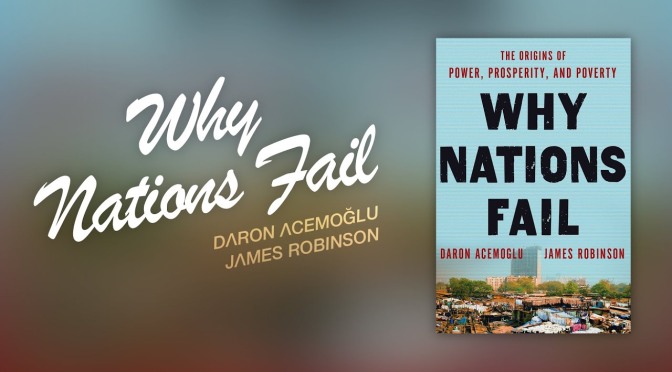
 It’s a simple question to ask, but seems impossible to answer: What causes one nation to succeed and another to fail? What exactly are the origins of global inequality?
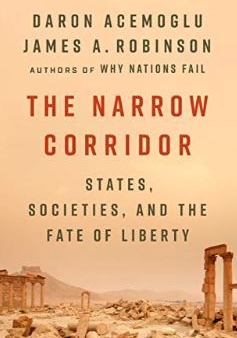 There are few people who have spent more time trying to answer this question than Prof. James Robinson. Robinson’ first book, Why Nations Fail, was an international best-seller. It laid out in clear and stark terms what the origins of prosperity and poverty really are. Now, he’s written a sequel, The Narrow Corridor, which further explains what ingredients you need to create a prosperous nation.
 Pet-supply stores had long withstood the threat posed by online shopping. That was until Chewy came along. WSJ’s Miriam Gottfried tells the story of how PetSmart responded to the new competition.
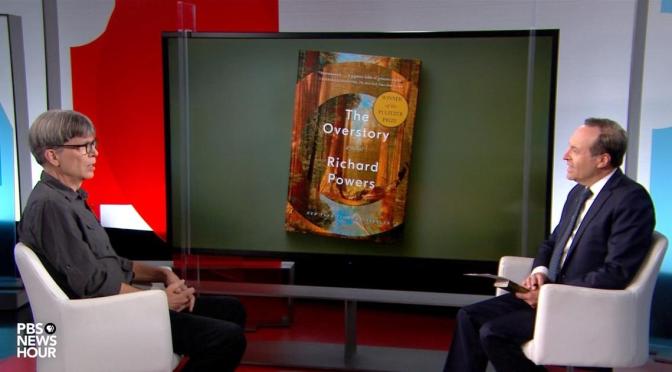
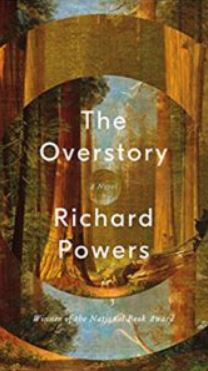 Richard Powers, author of our November pick for the NewsHour-New York Times book club, Now Read This, joins Jeffrey Brown to answer reader questions on “The Overstory,” and Jeff announces the December book selection.
 In a WTOP-FM interview, Health Affairs Editor-In-Chief Alan Weil assesses how consumers may (or may not) benefit from two long-anticipated rules, recently unveiled by the Trump Administration, that increase price transparency for both hospitals and insurers.
 Beyond the constant tossing and turning of a sleepless night, it might surprise you to know that insomnia is affecting a fair hunk of the Australian population. A recent study released by the Sleep Health Foundation found that 15 per cent of us suffer from chronic insomnia disorder, and very few people are choosing to access help.
 Researchers are using artificial intelligence techniques to invent medicines and materials—but in the process are they upending the scientific method itself? The AI approach is a form of trial-and-error at scale, or “radical empiricism”. But does AI-driven science uncover new answers that humans cannot understand? Host Kenneth Cukier finds out with James Field of LabGenius…
 Boomers Daily