
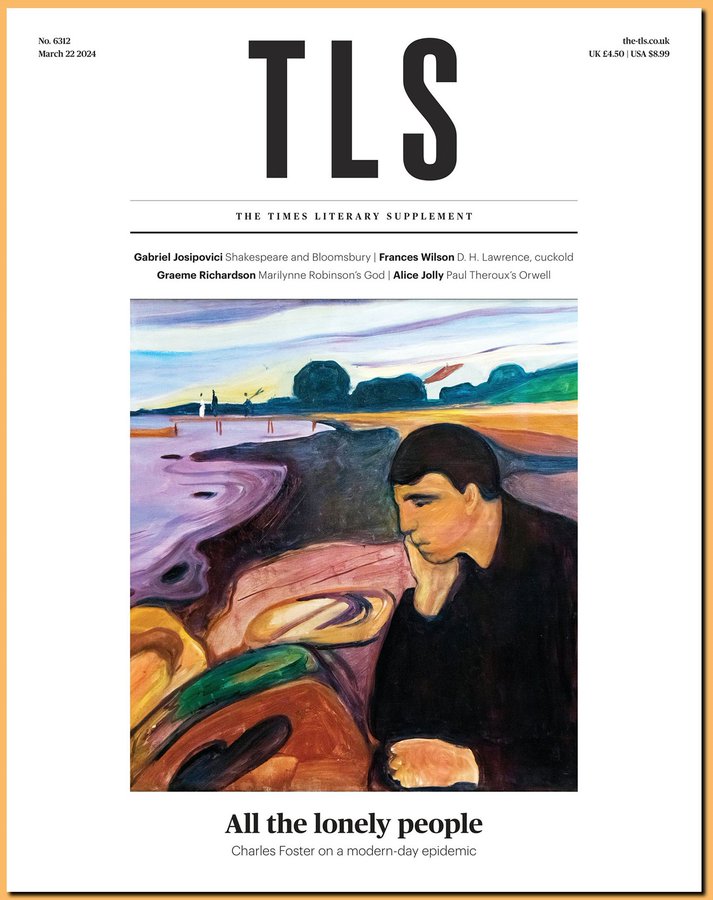

Times Literary Supplement (March 22, 2024): The latest issue features ‘All the Lonely People’ – Charles Foster on a modern-day epidemic; Shakespeare and Bloomsbury; D.H. Lawrence, cuckhold; Marilynne Robinson’s god; Paul Theroux’s Orwell…

Times Literary Supplement (March 22, 2024): The latest issue features ‘All the Lonely People’ – Charles Foster on a modern-day epidemic; Shakespeare and Bloomsbury; D.H. Lawrence, cuckhold; Marilynne Robinson’s god; Paul Theroux’s Orwell…
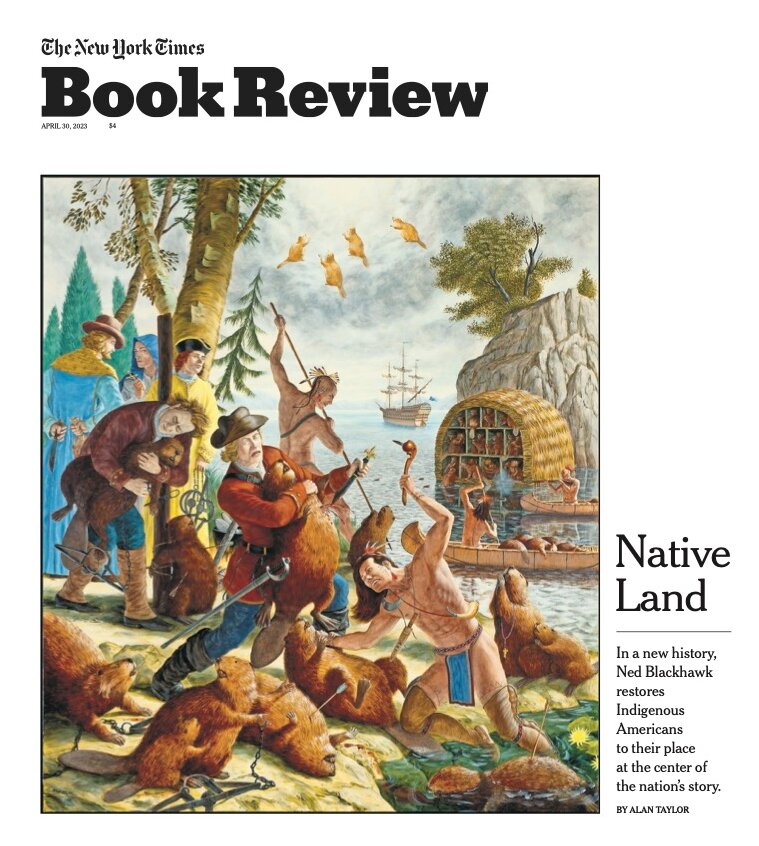

The New York Times Book Review (April 30, 2023): On the cover this week – Ned Blackhawk’s “The Rediscovery of America,” a sweeping, important, revisionist work of American history that places Native Americans front and center. Illustrating it is “Les Castors du Roi,” a 2011 painting by Kent Monkman, a Cree artist in Canada’s Dish With One Spoon Territory.

Paul Theroux, the quintessential travel writer, has also enshrined his Massachusetts roots in his writing. Here are his recommendations for those who come to visit.
My father, like many passionate readers, was a literary pilgrim in his native Massachusetts, a state rich in destinations, hallowed by many of the greatest writers in the language. “Look, Paulie, this is the House of the Seven Gables — go on, count them!”

In “All the Knowledge in the World,” Simon Garfield recounts the history of the encyclopedia — a tale of ambitious effort, numerous errors and lots of paper.

The scholar Christina Sharpe’s new book comprises memories, observations, artifacts and artworks — fragments attesting to the persistence of prejudice while allowing glimpses of something like hope.
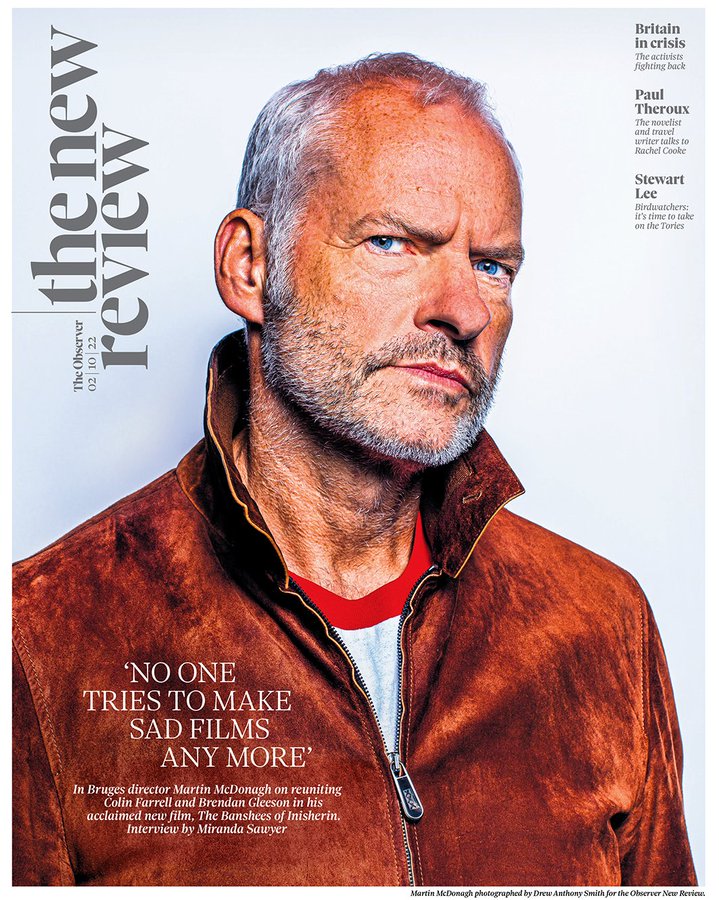
What can a travel writer learn from staying at home? Anne McElvoy asks the prolific travel author Paul Theroux about the virtues of being homebound during the pandemic.
The author of “Under the Wave at Waimea” reveals that his friend and one-time foe V.S. Naipaul inspired a character in his new book about big-wave surfing in Hawaii. Also, verbal fencing with his sons Louis and Marcel and his ultimate travel destination.
From a BBC Travel online article:
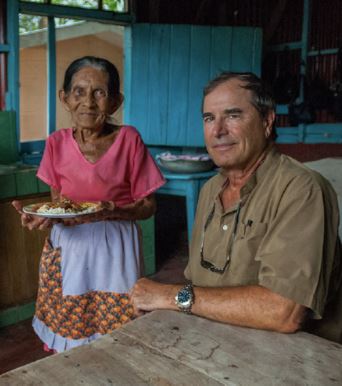 I think of myself in the Mexican way, not as an old man but as most Mexicans regard a senior, an hombre de juicio, a man of judgment; not ruco, worn out, beneath notice, someone to be patronised, but owed the respect traditionally accorded to an elder, someone (in the Mexican euphemism) of La Tercera Edad, the Third Age, who might be called Don Pablo or tío (uncle) in deference. Mexican youths are required by custom to surrender their seat to anyone older. They know the saying: Más sabe el diablo por viejo, que por diablo – The devil is wise because he’s old, not because he’s the devil.
But “Stand aside, old man, and make way for the young” is the American way.
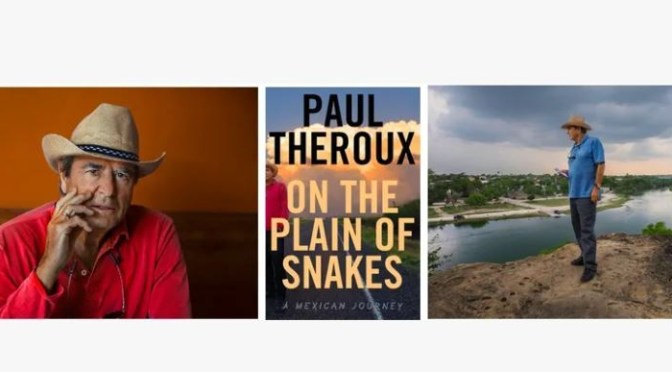
I was that old gringo. I was driving south in my own car in Mexican sunshine along the straight sloping road through the thinly populated valleys of the Sierra Madre Oriental – the whole craggy spine of Mexico is mountainous. Valleys, spacious and austere, were forested with thousands of single yucca trees, the so-called dragon yucca (Yucca filifera) that Mexicans call palma china. I pulled off the road to look closely at them and wrote in my notebook: I cannot explain why, on the empty miles of these roads, I feel young.
To read more: http://www.bbc.com/travel/story/20191203-is-travel-the-secret-to-a-long-life



 Boomers Daily