
From a Harvard news release:
 …a new study from the Harvard John A. Paulson School for Engineering and Applied Sciences (SEAS) and Harvard’s Wyss Institute for Biologically Inspired Engineering has found that an orally administered liquid salt called Choline and Geranate (CAGE) can physically reduce the absorption of fats from food with no discernible side effects in rats, and reduces total body weight by about 12 percent.
 “A reduction in body weight of 12 percent is like getting a human from 200 pounds down to 176, which is a significant change,” said first author Md Nurunnabi, a former Postdoctoral Fellow at the Wyss Institute and SEAS who is now an Assistant Professor of Pharmaceutical Sciences at The University of Texas at El Paso. “Our goal is to translate this work into a product that can help people maintain a healthier weight, and this study marks the very beginning of that journey.”
CAGE, which is a salt in its liquid state, was created a few years ago by Samir Mitragotri, the Hiller Professor of Bioengineering and Hansjörg Wyss Professor of Biologically Inspired Engineering, as part of an effort to improve the body’s absorption of medicines.
To read more: https://www.seas.harvard.edu/news/2019/11/locking-fats-cages-treat-obesity
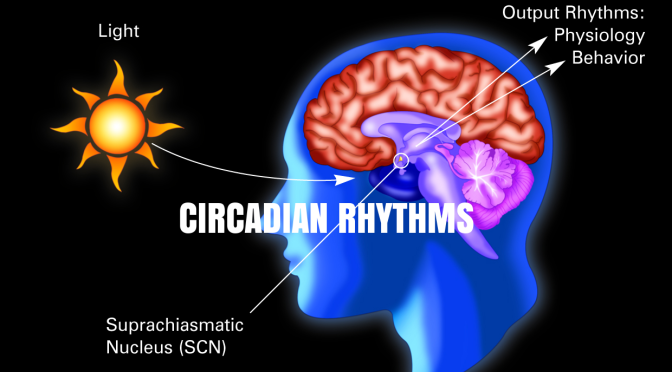
 When people are awake during the night, their behaviors are often mismatched with their internal body clocks. This can lead to nighttime eating, which can influence the way the body processes sugar and could lead to a higher risk in diabetes. “What happens when food is eaten when you normally should be fasting?” Scheer asked the audience. “What happens is that your glucose tolerance goes out the window….So your glucose levels after a meal are much higher.” This can increase people’s risk for diabetes.
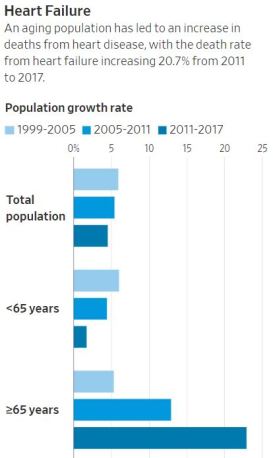 The findings help explain why a decadeslong decline in the death rate from cardiovascular disease has slowed substantially since 2011 and started rising in middle-aged people, helping
 Physical inactivity, smoking, high blood pressure, diabetes, and high cholesterol play a greater role than genetics in many young patients with heart disease, according to research presented today at ESC Congress 2019 together with the World Congress of Cardiology. The findings show that healthy behaviours should be a top priority for reducing heart disease even in those with a family history of early onset.
 The use of n-3 FA (4 g/d) for improving atherosclerotic cardiovascular disease risk in patients with hypertriglyceridemia is supported by a 25% reduction in major adverse cardiovascular events in REDUCE-IT (Reduction of Cardiovascular Events With EPA Intervention Trial), a randomized placebo-controlled trial of EPA-only in high-risk patients treated with a statin.

 This joint position statement from the International Atherosclerosis Society and the International Chair on Cardiometabolic Risk Working Group on Visceral Obesity summarises the evidence for visceral adiposity and ectopic fat as emerging risk factors for type 2 diabetes, atherosclerosis, and cardiovascular disease, with a focus on practical recommendations for health professionals and future directions for research and clinical practice.
 This study, combined with the results of previous studies, supports the hypothesis that engaging in morning exercise may result in more weight loss compared to engaging in a similar amount of exercise later in the day. Furthermore, we observed individuals who performed most of their exercise sessions in the afternoon or evening tended to have slightly higher levels of EI and reduced NEPA and NEEx, suggesting that there are potentially important differences in the components of energy balance based on time of day exercise is performed.


 Boomers Daily