
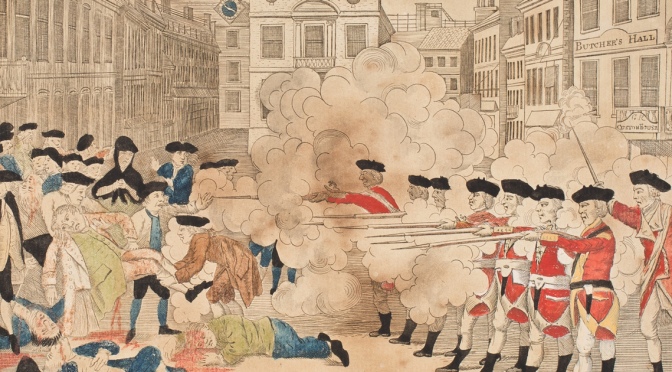
From an New York Times online review:
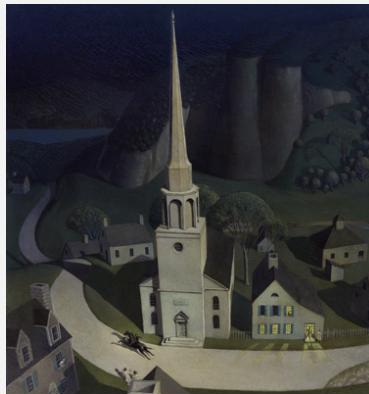 Revere’s place in history was cemented by the Longfellow poem, published in 1861, more than 40 years after Revere’s death. Longfellow “was flexible about the historical details,” said Debra Schmidt Bach, who coordinated the exhibition for the New-York Historical Society. “I mean, it was a fictionalized poem,” she said. “It was not intended as a detailed examination of the ride.”
 The exhibition was organized by the American Antiquarian Society, of which Ms. Hewes is the curator of graphic arts. Nan Wolverton, the show’s other curator, is the director of fellowships at the antiquarian society, and of its Center for Historic American Visual Culture. The display includes more than 140 objects from the antiquarian society’s extensive Revere holdings; the New-York Historical Society’s own collection; the Museum of Fine Arts, Boston; and the Massachusetts Historical Society, among others.
To read more: https://www.nytimes.com/2019/09/11/arts/design/paul-revere-beyond-midnight.html
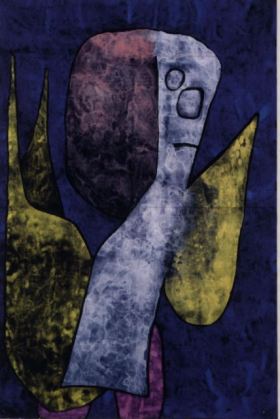 The works on view illustrate how Klee responded to his personal difficulties and the broader social realities of the time through imagery that is at turns political, solemn, playful, humorous, and poetic. Ranging in subject matter, the works all testify to Klee’s restless drive to experiment with his forms and materials, which include adhesive, grease, oil, chalk, and watercolor, among others, resulting in surfaces that are not only visually striking, but also highly tactile and original. The novelty and ingenuity of Klee’s late works informed the art of the generation of artists that emerged after World War II, and they continue to hold relevance and allure for artists and viewers alike today.
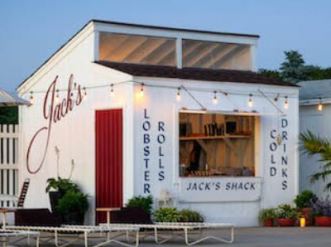
 Immediately upon checking into one of the Sound View’s cedar-paneled rooms, all clean white sheets and sailcloth pillows and views straight out onto the beach (ALL of the rooms at the Sound View look straight out onto the beach), I felt my blood pressure slow. For lunch, we jammed lobster rolls the size of our faces into our faces by the pool. Come late afternoon, we sat on our sandswept porch drinking canned rosé and watched the sky turn gold.

 For dinner at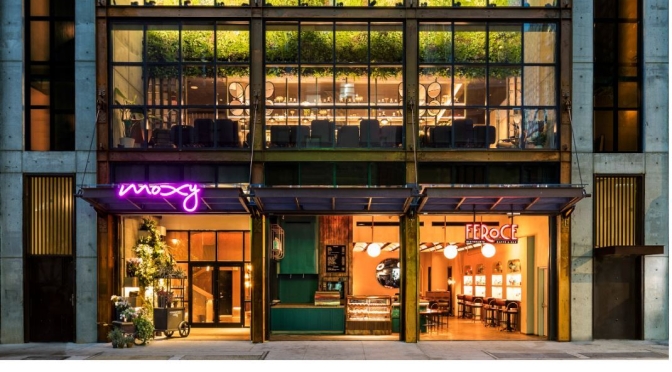
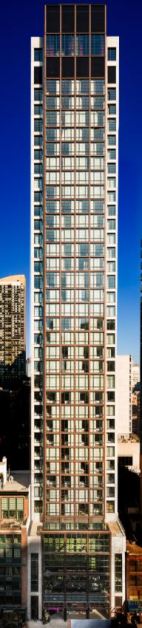 Guests are able to check themselves in at the Yabu Pushelberg-designed reception behind the flower store – forming part of the Moxy’s stripped-back approach to hospitality. Desks hang down from the ceiling while neon signs flash slogans related to flowers.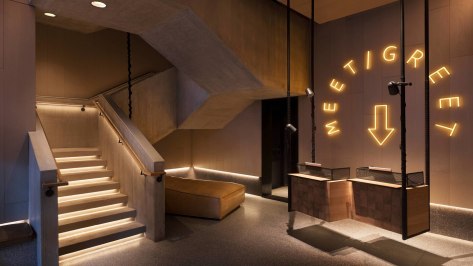

 The car did what it was supposed to. The ride was a bit shaky, but it’s unclear whether that was because of the vehicle itself or because its AI system was constantly re-evaluating its surroundings. But it felt safe — we slowed down and swerved around a cyclist without leaving the lane. The cars had the entire route mapped out; each destination was already programmed in.
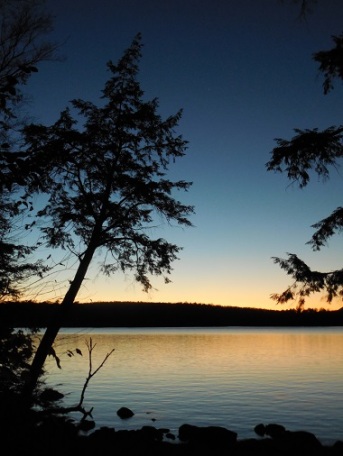 Cranberry Lake is one of the largest remote lakes in the Adirondacks, so it is no wonder the beauty is off the charts. Civilization has barely encroached upon this pristine wilderness so campers enjoy more solitude than usually found at established campgrounds. Outdoor enthusiasts have plenty to do with dozens of trails in the Five Ponds Wilderness Area that wind through the surrounding forest, and the lake is stocked with trout for the avid fisherman. It isn’t a small campground — more than 170 sites — but the sound of rocking lake waves fills the air, creating the ultimate sound machine to help you drift off to sleep at night.
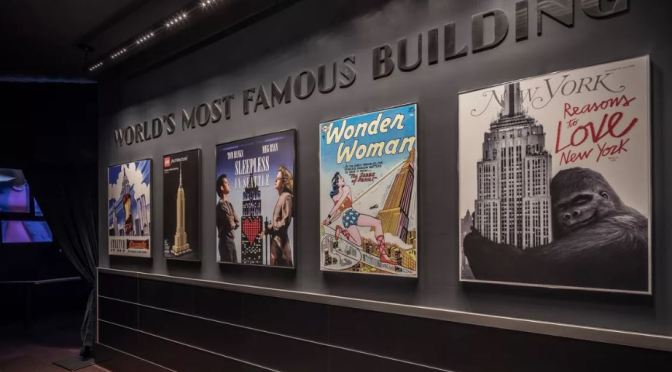
 The Empire State Building, New York City’s most iconic skyscraper, has been reimagining its observatory experience for some time now. As part of a two-phase project, a new observatory entrance at 20 West 34th Street debuted last August, and now, a new set of immersive exhibits are open to the public.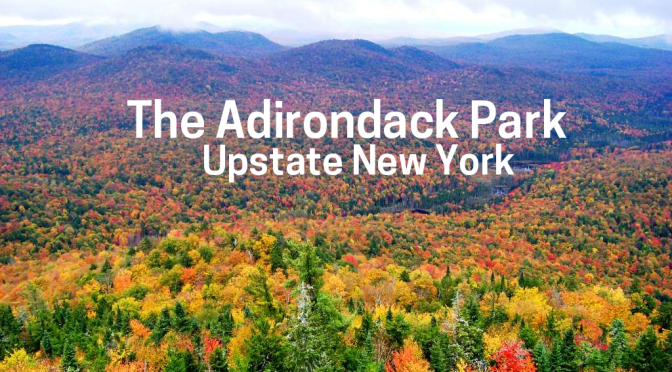
 Away from Lake Placid, Lake George and other more crowded regional hubs, are several smaller hamlets that provide access to a handful of exceptionally remote lakeside campgrounds reachable only by pontooned floatplanes. With round-trip charters typically priced at $150 or less per person, some of the most secluded frontiers of
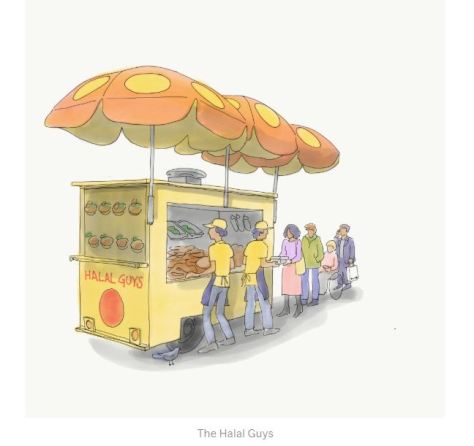
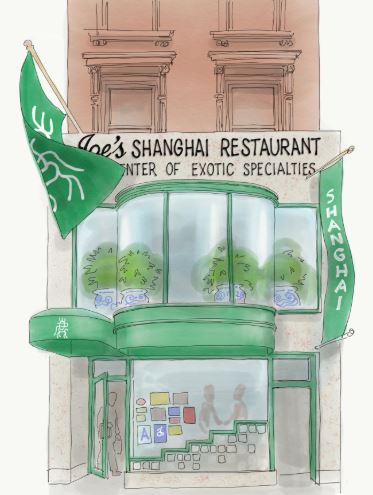 Paul Galloway is the collection specialist in Architecture and Design. He seems to know something about almost everything you could imagine in his field, whether posters, buildings, or chairs. And he’s always hungry. After years of careful lunch hour research, he’s put together what he calls his “peckish peregrinations”—easy and delicious spots around Midtown Manhattan to grab a good bite and eat outdoors. For a complete experience, we recommend pairing these spots with our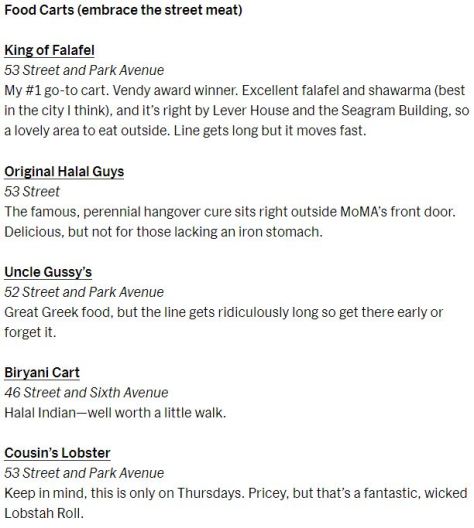

 Alphonse Mucha, born in Bohemia, came to Paris in 1887. Over the next 8 years, he emerged from obscurity to become the most celebrated graphic designer of the Art Nouveau movement. His intricate designs and gorgeous subjects were so popular that he produced pattern books for fellow designers and students, and his publishers repurposed his advertisements for hundreds of other products.
 Boomers Daily