


High Blood Pressure and Older Adults
— High blood pressure, or hypertension, is common in older adults. The good news is that blood pressure can be controlled in most people.
What Is Menopause?
— Menopause is a normal part of aging for women, but it affects every woman differently.
Memory, Forgetfulness, and Aging: What’s Normal and What’s Not?
— As you age, you may wonder about the difference between normal, age-related forgetfulness and a serious memory problem, such as dementia.
Shingles
— Shingles is a disease that triggers a painful skin rash. About one in three people will get shingles, but there is a vaccine for older adults to help prevent the disease.
Vitamins and Minerals for Older Adults
— Vitamins and minerals are types of nutrients that your body needs to survive and stay healthy.
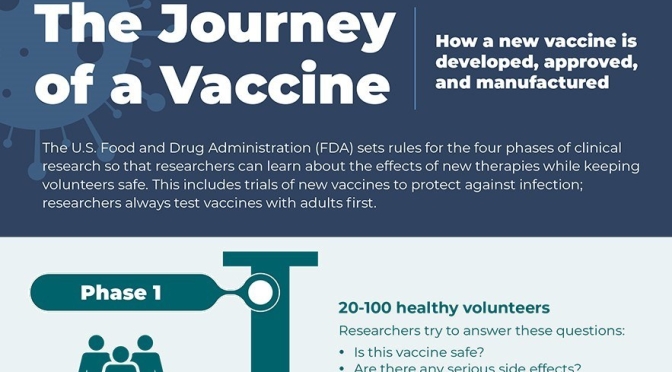



 “Finding a safe and effective vaccine to prevent infection with SARS-CoV-2 is an urgent public health priority,” said NIAID Director Anthony S. Fauci, M.D. “This Phase 1 study, launched in record speed, is an important first step toward achieving that goal.”
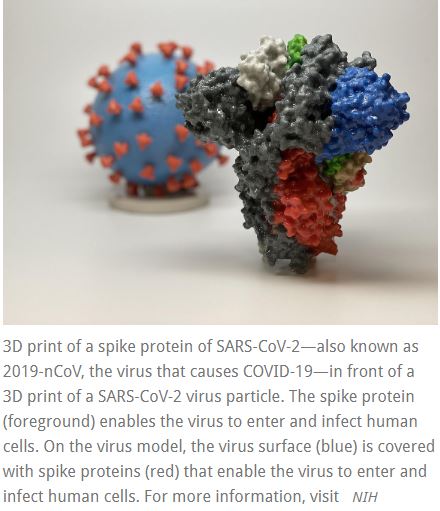 A Phase 1 clinical trial evaluating an investigational vaccine designed to protect against coronavirus disease 2019 (COVID-19) has begun at Kaiser Permanente Washington Health Research Institute (KPWHRI) in Seattle. The
 tes of Health’s largest loan repayment program was conceived to help scientists pay off school debts without relying on industry funding. But
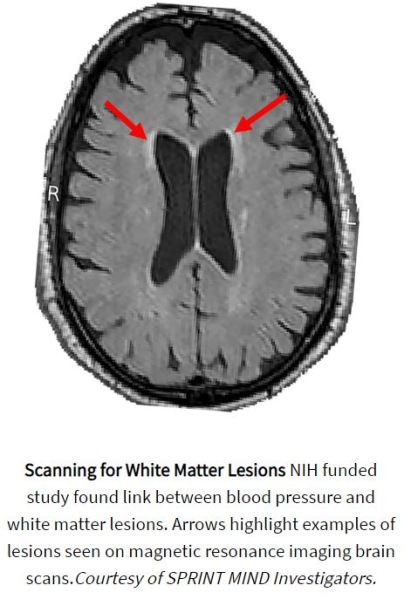 “These initial results support a growing body of evidence suggesting that controlling blood pressure may not only reduce the risk of stroke and heart disease but also of age-related cognitive loss,” said Walter J. Koroshetz, M.D., director of the NIH’s National Institute of Neurological Disorders and Stroke (NINDS). “I strongly urge people to know your blood pressure and discuss with your doctors how to optimize control. It may be a key to your future brain health.”
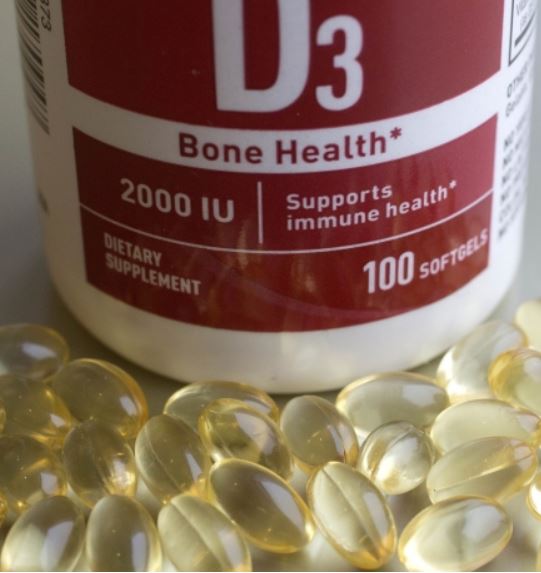 In people having lack of Vitamin D, the muscle strength of waist, back, neck decreases. Decreased muscle strength can cause herniated disc and cervical discal hernia. All of this is reflected in the patient’s pain. We wanted to pay attention to the necessity of considering the lack of Vitamin D in low back pain (LBP) which is one of the common complaints of our patients.
 Boomers Daily