
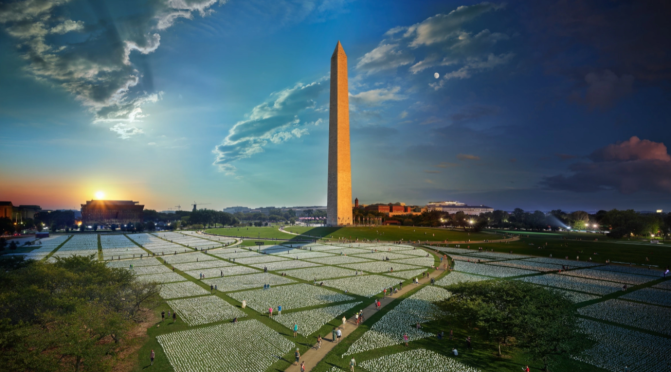
ABC News’ Linsey Davis speaks with Pulitzer Prize-winning photographer Lynsey Addario about some of the top images from National Geographic’s “Year in Pictures” issue.
Tag Archives: National Geographic
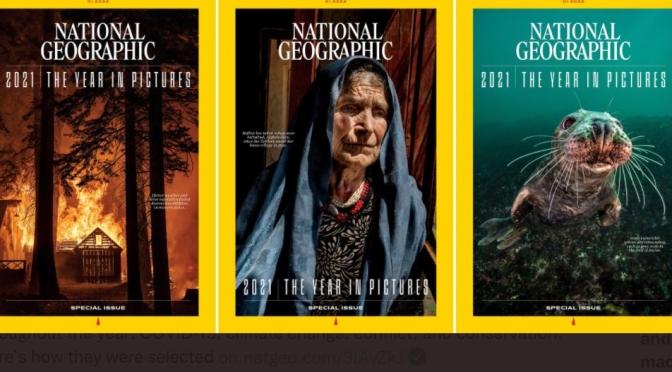
Views: 2021 In Pictures – National Geographic
Egyptology: Sources Of Tutankhamun’s Gold
Tutankhamun was buried with over 260 pounds of gold and archeologist are trying to find out how the pharaoh mined and amassed so much gold.
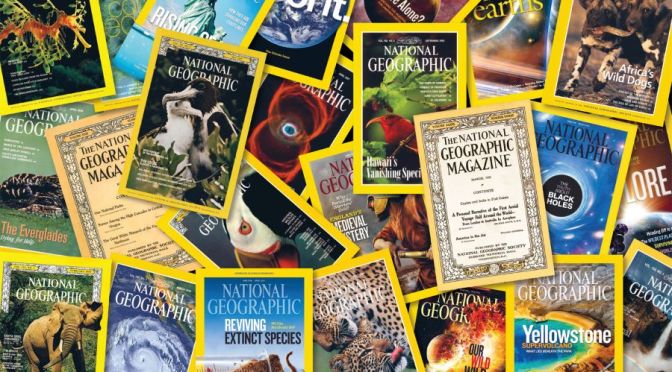
Magazine Cover: National Geographic – NOV 2021

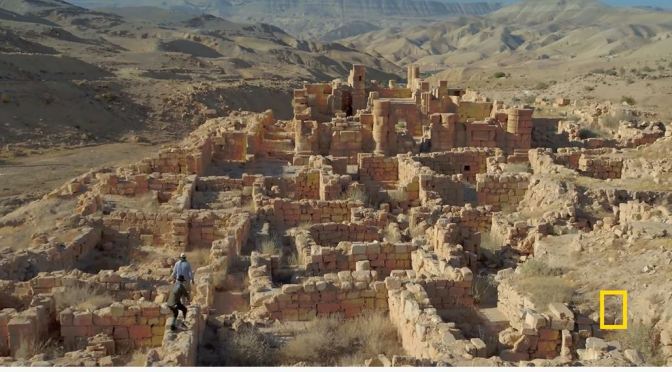
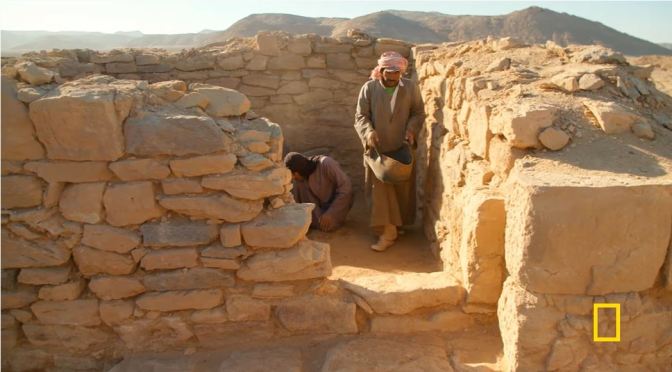
Archaeology: Lost Cities Of The Nabateans, Jordan (National Geographic)
Dr. Albert Lin is exploring the ancient architecture of the Nabateans, and recreates one of their lost cities using lidar.
The Nabataeans, also Nabateans, were an ancient Arab people who inhabited northern Arabia and the southern Levant. Their settlements—most prominently the assumed capital city of Raqmu —gave the name Nabatene to the Arabian borderland that stretched from the Euphrates to the Red Sea.
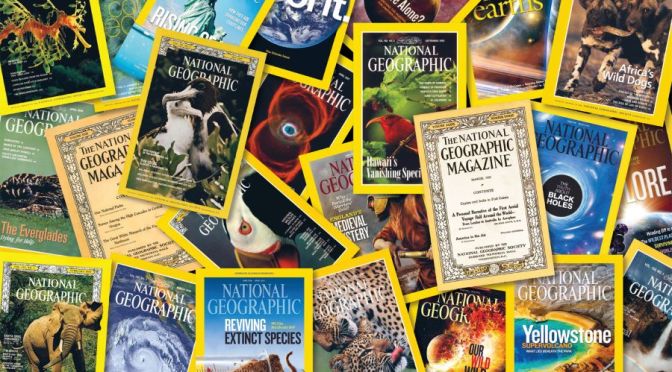
Cover Previews: National Geographic – October ’21
Front Covers: National Geographic – SEP 2021

Views: The World’s Most Beautiful Libraries

Wildlife: Golden Snub-Nosed Monkeys Of China
Meet China’s most affectionate and vocal monkeys in the remote, seasonal forests of Central China. Follow the journey of a baby Golden snub-nosed monkey during the first year of her life as she learns all about her forest home and battles the elements to survive.
The golden snub-nosed monkey is an Old World monkey in the subfamily Colobinae. It is endemic to a small area in temperate, mountainous forests of central and Southwest China. They inhabit these mountainous forests of Southwestern China at elevations of 1,500–3,400 m above sea level.
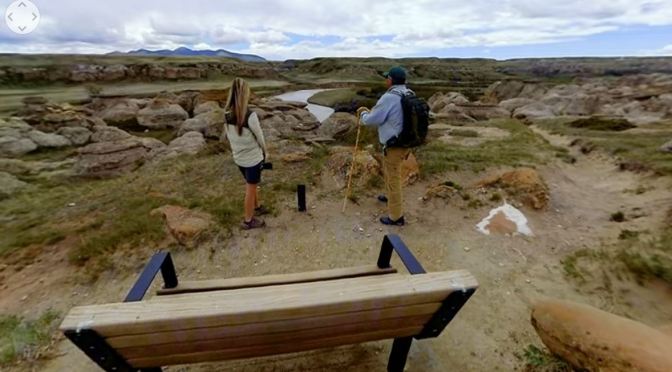
360° Views: The Matapiiksi (Hoodoo) Trail, Alberta, Canada (NatGeo Video)
Immerse yourself in Alberta’s wide-open spaces in this 360-degree experience as National Geographic Travel Photographer Kahli April hikes the Matapiiksi (Hoodoo) Interpretive Trail in Writing-on-Stone Provincial Park. Kahli is joined on the trail by Blackfoot Elder Saa’kokoto who explains the immense cultural and spiritual significance of the land to the Blackfoot people, and how the rock art was made on the ancient hoodoo rock formations. All aerial imagery was obtained under permit from Alberta Parks. Paid content for Travel Alberta.
 Boomers Daily