
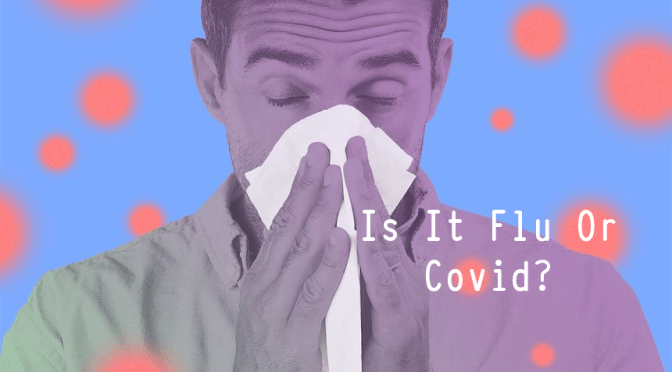
Runny nose? Fever? Fatigue? Here’s what doctors want you to know about how to tell the difference between illnesses as we head into flu season https://t.co/bMmW87huQt
— The Wall Street Journal (@WSJ) October 4, 2021
Tag Archives: Medicine
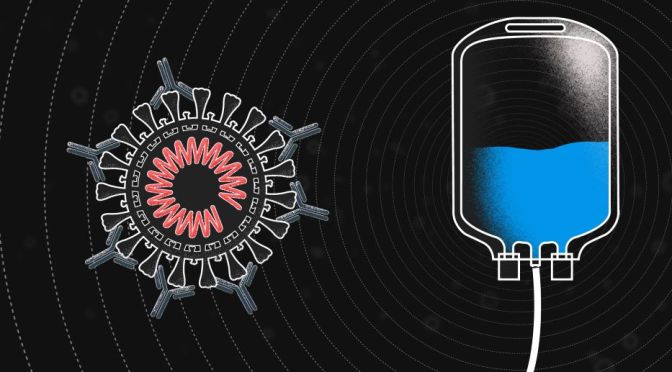
Monoclonal Antibodies: How They Are Saving Lives
Doctors are increasingly turning to monoclonal-antibody drugs to treat high-risk patients who get sick with Covid-19. WSJ takes a look at how the therapies work and why they’re important for saving lives. Illustration: Jacob Reynolds/WSJ
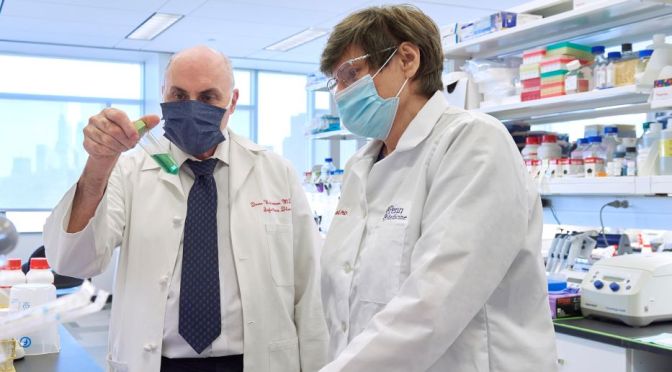
Science & Medicine: Story Behind The mRNA Vaccines
As mRNA-based COVID-19 vaccines are deployed to protect hundreds of millions of people across the world from the deadly global pandemic, the University of Pennsylvania scientists whose research breakthroughs laid the foundation for swift vaccine development have been awarded the 2021 Lasker-DeBakey Clinical Medical Research Award. Here, mRNA vaccine pioneers Drew Weissman, MD, PhD, and Katalin Karikó, PhD, share the story behind their development of this groundbreaking technology, and what it means for the future of medicine.
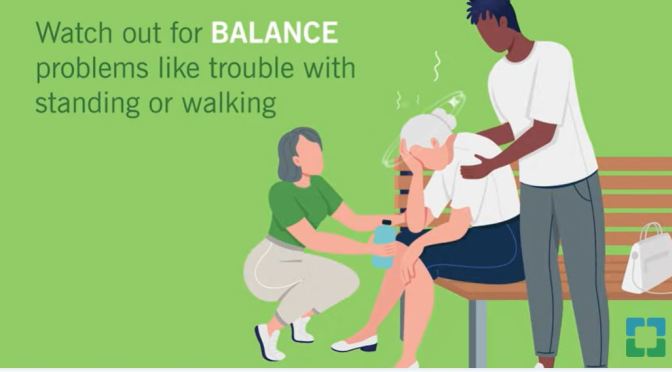
Health: Recognizing A Stroke (Cleveland Clinic)
If you don’t know the signs of a stroke, you’re not alone. Thirty percent of people under the age of 45 don’t either. The key is to B.E. F.A.S.T. Learn how this acronym can help you save a life. The information in this video is accurate as of 9.17.21 and is for information purposes only. Consult your local medical authority or your healthcare practitioner for advice.
Resources:
Stroke: Causes and Prevention: https://cle.clinic/3hIHtab
Stroke Signs & Symptoms: https://cle.clinic/3oLyQhc
Stroke Risk Factors: https://cle.clinic/3hJ8r1s
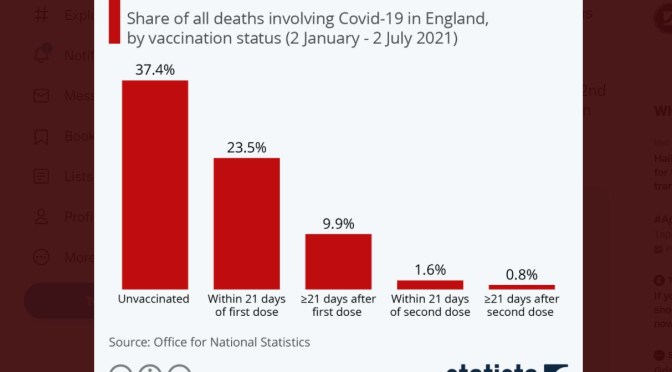
Infographic: Vaccination Effect On Covid-19 Deaths

Covid-19 Views: ‘Parosmia’ – An Altered Sense Of Smell

Health: Annual Physical Exams Are Going Virtual
Diabetes: Understanding Insulin And Islets (Video)
Type 1 and type 2 diabetes are characterized by increased blood glucose levels. They affect almost half a billion people around the globe, and this number is projected to rise as we reach the middle of the century. In most individuals, blood glucose levels are kept within a healthy range by a hormone called insulin, which is secreted by the pancreas, but this fine-tuned regulation can go wrong in type 1 and type 2 diabetes. In this animation, we lay out our current understanding of these diseases and explore active areas of research that aim to restore the body’s blood glucose control.
Read more in https://www.nature.com/articles/d4285…
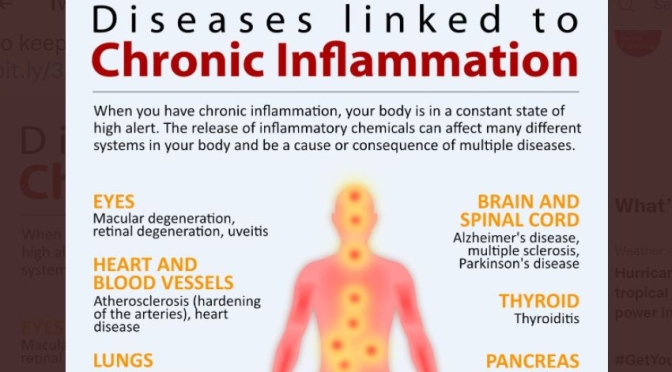
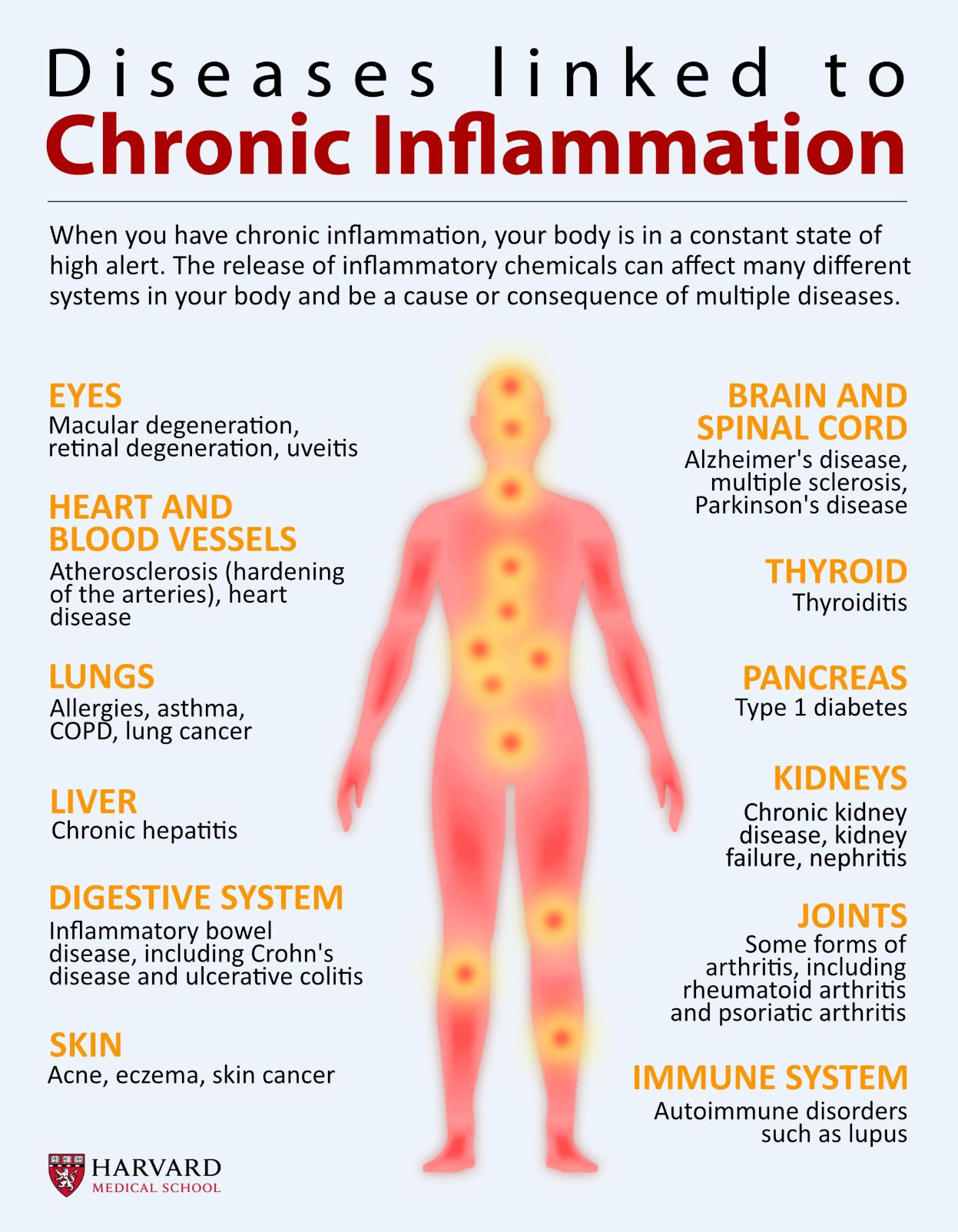
Infographic: Disease & Chronic Inflammation

Analysis: How Moderna & Pfizer-BioNTech Created Vaccines In Record Time
The decision to pivot an entire business to focus on the coronavirus is an obvious one in hindsight, at least for Moderna, BioNTech and Pfizer, which succeeded beyond anyone’s expectations — and will reap billions of dollars in sales of their vaccines this year alone.
It wasn’t such a clear decision in the early months of 2020, though that’s when Moderna’s chief executive, Stephane Bancel, and BioNTech’s chief, Ugur Sahin, starting turning their ships, they told CNBC in interviews for this documentary about the vaccine race, produced by CNBC senior health and science reporter Meg Tirrell and senior digital producer Sam Rega.
“The night that China locked down Wuhan, I’m like: ‘When was the last time I know a city has been locked down because of an infectious disease?’” Bancel recalled. “And what goes through my mind is: what do the Chinese know that we don’t know?“ Bancel said he awoke sweating at 4 a.m., realizing, “Jeez, there’s going to be a pandemic like 1918.” For Sahin, it was reading a paper in the Lancet in late January describing the outbreak in China.
“I did a number of calculations, fast calculations, and realized it had already spread,” Sahin said. “And it was clear that it was already too late to stop the disease.” But he was convinced BioNTech, then focused mainly on personalized cancer therapies, may be able to do something. His company reached out to Pfizer, he said, proposing to work on a vaccine for the novel coronavirus using the same technology, messenger RNA, on which they’d already partnered to try to tackle the flu.
“We had the first contact a few days after starting the project,” Sahin said. “At that time, Pfizer was not yet interested.” Albert Bourla, Pfizer’s CEO, confirmed Sahin’s account, saying in the earliest months of 2020, he was focused on maintaining the company’s operations in China. But by late February, he said, he’d determined Pfizer needed to work on a treatment and a vaccine.
“What is the best approach?” Bourla said he asked his team. Kathrin Jansen, head of Pfizer’s vaccine research and development, said they assessed all existing technologies, including protein-based vaccines and vaccines using viral vectors. “They all have too few pros and too many cons,” she said.
But messenger RNA was a risk; it had never been used before as an approved vaccine or drug. “I wrestled a little bit with the decision,” Bourla said. But after another meeting with the team, “they convinced me.” That’s when Sahin called a second time. The outbreak, by that point, was already in New York, he said. Reaching Jansen, he described the work that BioNTech already had underway, and asked if Pfizer would like to work together. “And I said: absolutely,” Jansen remembered. “Let’s talk about this.”
At Moderna, it was never a question that messenger RNA would be the way forward; that was the technology around which the company was founded in 2010. But that didn’t mean questions didn’t exist. “Even going into March, there were voices that said vaccines were false hope,” recalled Dr. Stephen Hoge, Moderna’s president.
“It did feel for a period of time that we needed to defend even the idea of trying.” “When we were thinking about how do we get into Phase 1, what does it look like to prepare for a pandemic, the eyes of the world felt as though they were looking at Moderna as this biotech … ‘what are they trying to do?’” said Hamilton Bennett, Moderna’s senior director of vaccine access and partnerships.
“It was only when we transitioned in that March notification from the WHO that this was a global pandemic, it’s an emergency, that I think people started to realize that what we’re doing isn’t playing in a sandbox trying to demonstrate our technology,” Bennett said. “We’re developing a vaccine that’s going to stop the pandemic.” The companies succeeded, in what became one of the greatest medical races in history. Here, they recall how it happened.
 Boomers Daily