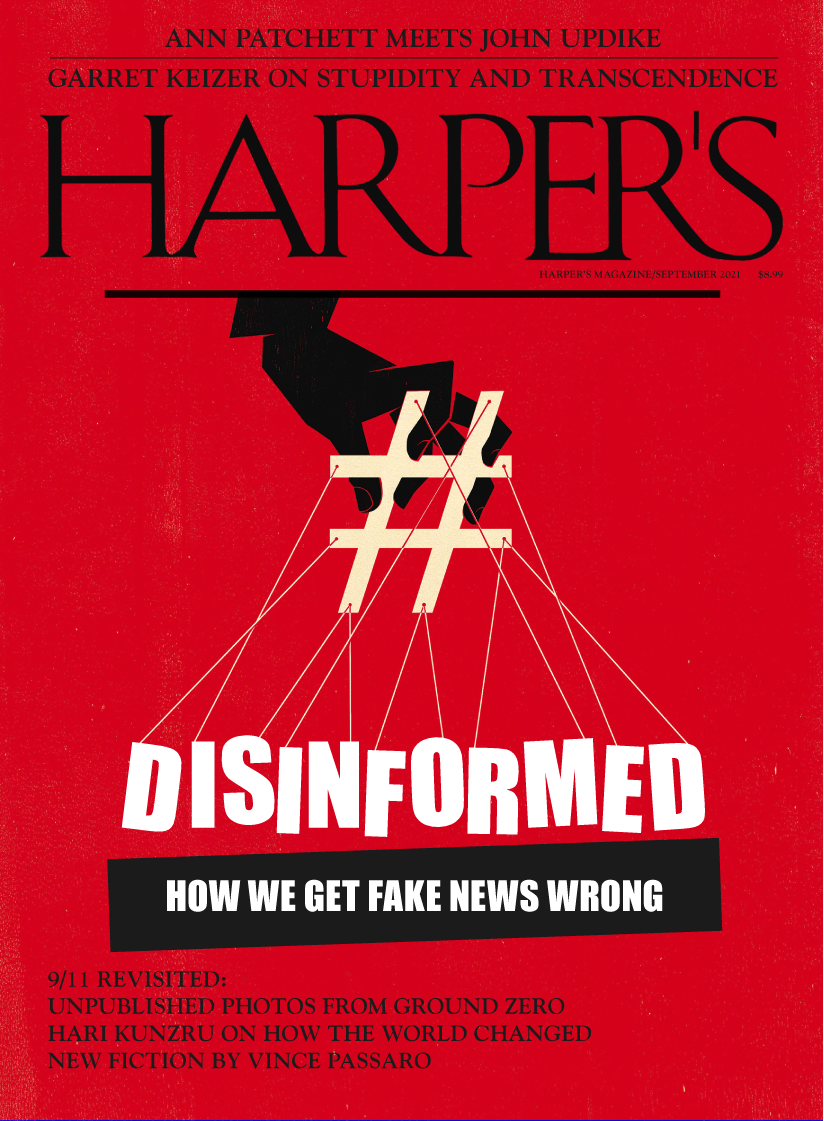


When asked what he did for a living, Peter would usually say he was a designer, or, a typographer. Designing for print – books, exhibition catalogues, magazines, posters –
took up the most substantial part of his time, at the BBC in the 1960s and 1970s and thereafter as a freelance. He was also an illustrator, a journalist, an author of children’s books, an editor and a publisher. The great range of his professional work, and his encompassing interest in the work of others, made him a collaborator sought out by writers, publishers and artists.
Diana Souhami, who worked with Peter often, wrote in the Guardian after his death: “He had the ability to conceptualise what each publishing project needed and to get it right. He was hugely and diversely productive, but seldom hit a wrong note.”
Discussing his journalism in her appreciation in the London Review, Mary‑Kay Wilmers wrote: “There are people whom getting a grip doesn’t suit, who don’t want to be confined. One can honour the world in depth or across a wide range and there were few aspects of the world that Peter didn’t wish to honour.”
He probably would have been delighted by – and certainly modestly sceptical of – Alan Bennett’s appraisal, in the posthumous publication of a catalogue of his pictures in Artwork, that he was “an heir to Ardizzone, Bawden and Ravilious.”
Peter Campbell was born in Wellington, New Zealand in 1937. In 1960 he emigrated to London where he lived for the rest of his life. He died in 2011.
For years, Silk Road travelers made the grueling trek past towering mountain ranges and ancient cities now lost to time. Centuries later, one writer attempts to retrace the journey.

This year, T’s spring Travel issue is devoted to just five stories, each an account of its writer’s journey along a different section of the Silk Road — the ancient network of trade routes that until the 15th or 16th century spanned some 4,000 miles of the globe, from Central Asia across the Middle East to Southern Europe, and formed a vital conduit for both new commodities and new ideas. While venturing to faraway places might seem like a distant possibility now, a year after this issue began to take shape, as we reckon with the global pandemic, these pieces are a powerful reminder of our innate desire to move and explore.

There is an unhappy irony in the fact that five hundred years after Raphael died of a fever at the age of only thirty-seven, the global covid-19 pandemic has brought to a premature end so many of the exhibitions that have been staged to mark the anniversary.

READ DIGITAL ONLINE ISSUE – MAY 2020

This week ‘Monocle 24 – The Stack’ speaks with Amy Astley, editor in chief of ‘Architectural Digest’. 2020 is the 100th anniversary of the founding of the magazine in 1920.Amy Astley (born June 5, 1969) is the editor-in-chief of Architectural Digest as of May 2016. She was editor of Teen Vogue, which launched in January 2003. She was named to edit the new magazine in June 2002 by Anna Wintour, editor-in-chief of Vogue and editorial director of Teen Vogue.