


Solving the puzzle of Long Covid
Long Covid provides an opportunity to understand how acute infections cause chronic disease

Long Covid provides an opportunity to understand how acute infections cause chronic disease
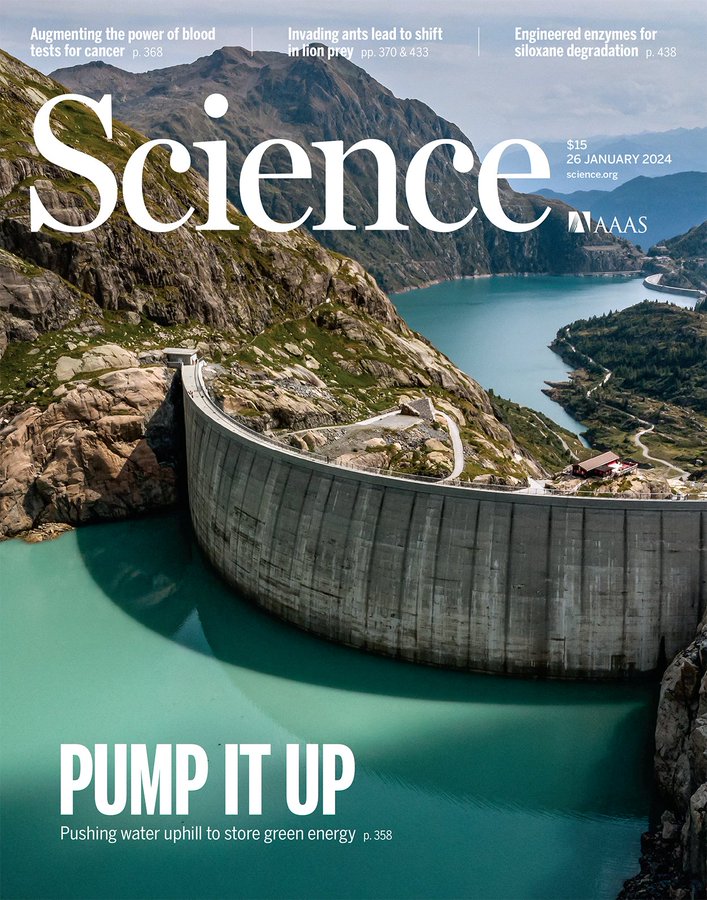
For times when wind and solar fall short, some utilities are turning to an old technology called pumped storage hydropower
Before he disappeared, Ettore Majorana made a strange prediction. Researchers are still hunting for the truth about him—and his namesake particles

Links between the complement and coagulation systems could lead to Long Covid therapies
To zoom in farther, Event Horizon Telescope wants to add more radio dishes to its network—and go to space
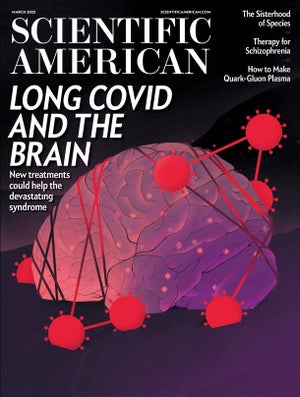

The causes of long COVID, which disables millions, may come together in the brain and nervous system
New experiments can re-create the young cosmos, when it was a mash of fundamental particles, more precisely than ever before
Plato was right: newborns do math

Long COVID is a poorly understood condition, with a wide spectrum of effects on multiple body systems and variable presentation in different individuals. Long COVID is of particular concern among older people (ie, aged 65 years or older), who are at greater risk than younger people of persisting symptoms associated with COVID-19. In addition, COVID-19 might trigger or exacerbate chronic conditions that occur commonly in older people, such as cardiovascular diseases, respiratory diseases, neurodegenerative conditions, and functional decline.
It is widely thought that lifespans are increasing globally. However, life expectancy has begun to stagnate in the UK, and is falling in more than 50 countries including the USA. Lifespan stagnation or decrease is a consequence of socioeconomic inequalities, lifestyle factors, and the COVID-19 pandemic. In the UK, the National Health Service spends vast sums treating chronic diseases; by some estimates, 40% of its costs go to treating preventable conditions.
The relationship of measures of age-related hearing loss such as pure-tone autiometry might not be as consistently associated with risk of dementia as previous studies have suggested. Peripheral age-related hearing loss has been posited as a midlife risk factor for dementia.
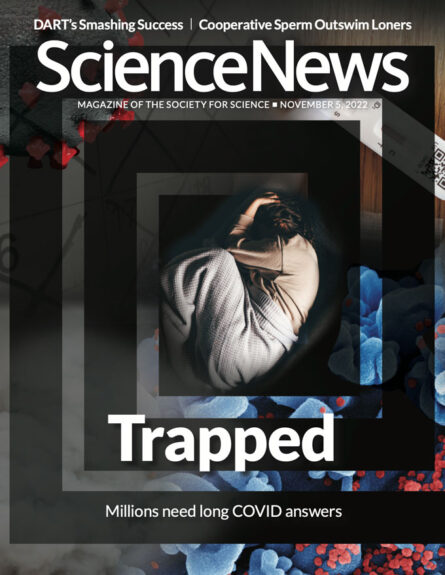

For people with long COVID, finding a place to get appropriate medical care is a challenge.

The October 21, 2022 cover story this week steps back from the news agenda to explore the impact of living with long Covid. For millions of people worldwide who have survived initial infection with the virus, recovery is slow. Symptoms such as breathlessness, fatigue and loss of smell or taste persist for months and, as our science editor Ian Sample explains, treatments that work for some may not be successful for others.
This week delegates to the Chinese Communist party’s 20th congress are in Beijing where they are expected to rubber stamp Xi Jinping’s historic third term as leader. Our big story looks at what the president’s supremacy means for the country and its closest neighbour – Taiwan – which lives in the shadow of Xi’s avowed intention to bring the island back under China’s tutelage.
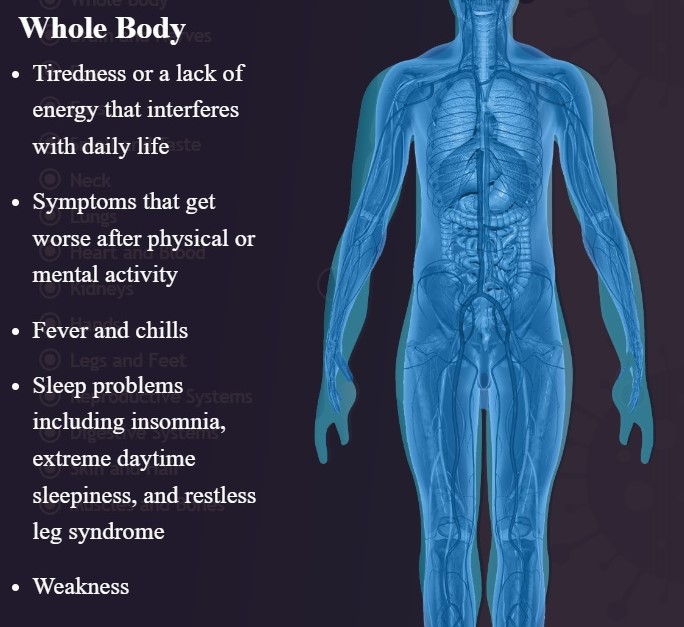
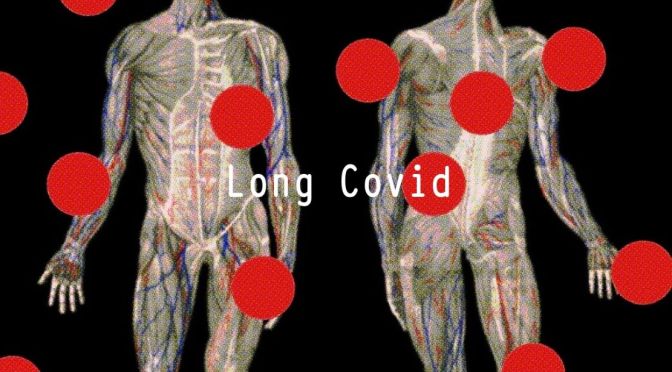
Even mild COVID-19 is at least correlated with a startlingly wide spectrum of seemingly every illness. We need a much better taxonomy to address people’s suffering.
From The Atlantic, October 5, 2022:
The cases of long covid that turn up in news reports, the medical literature, and in the offices of doctors like me fall into a few rough (and sometimes overlapping) categories. The first seems most readily explainable: the combination of organ damage, often profound physical debilitation, and poor mental health inflicted by severe pneumonia and resultant critical illness.
This serious long-term COVID-19 complication gets relatively little media attention despite its severity. The coronavirus can cause acute respiratory distress syndrome, the gravest form of pneumonia, which can in turn provoke a spiral of inflammation and injury that can end up taking down virtually every organ. I have seen many such complications in the ICU: failing hearts, collapsed lungs, failed kidneys, brain hemorrhages, limbs cut off from blood flow, and more. More than 7 million COVID-19 hospitalizations occurred in the United States before the Omicron wave, suggesting that millions could be left with damaged lungs or complications of critical illness. Whether these patients’ needs for care and rehabilitation are being adequately (and equitably) met is unclear: Ensuring that they are is an urgent priority.
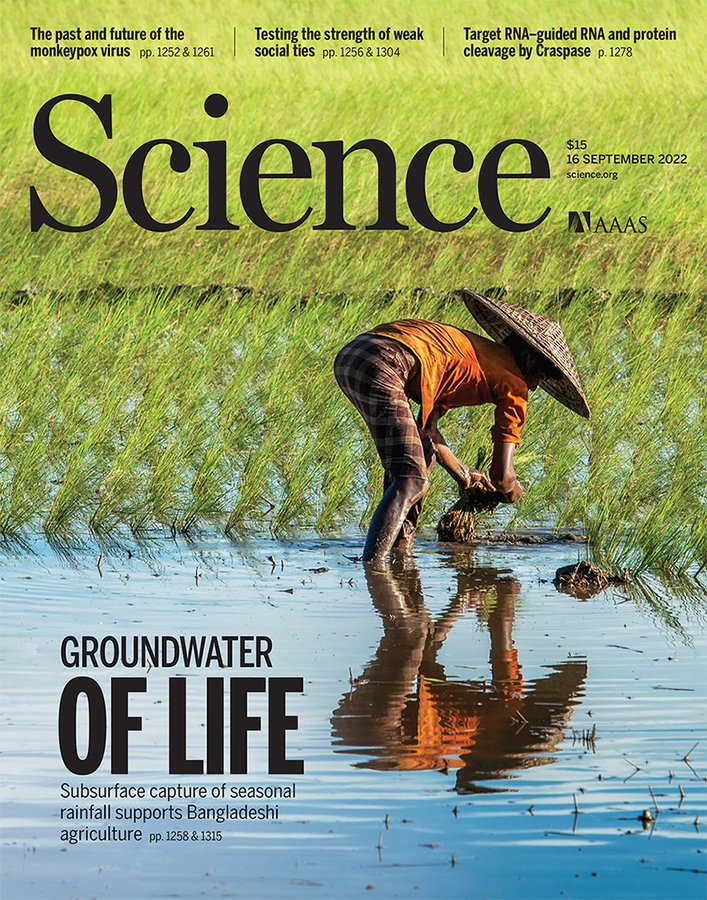
Seasonal monsoon rainfall replenishes groundwater reserves in the Bengal basin of Bangladesh thanks to the region’s seemingly counterintuitive intensive dry-season irrigation practices, a new Science study finds.
Supercomputing and accelerator centers struggle with surging gas and electricity prices
Initiative to explore whether coronavirus lingers in patients
Decades of complaints have gone unheeded by NSF and contractors managing operations, employees say
As New York state declares an emergency, experts are far more worried about a resurgence in low-income countries
Read that and more in this week’s issue: https://fcld.ly/dt1xr77





 Boomers Daily