Tag Archives: History

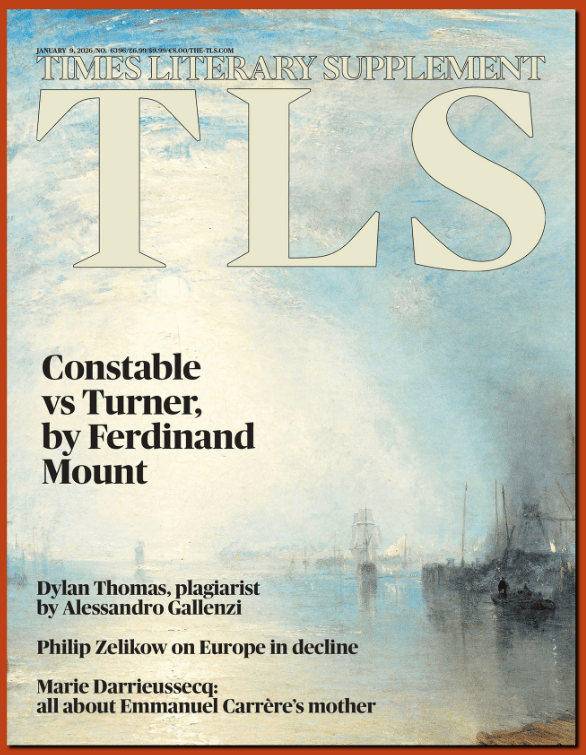
TIMES LITERARY SUPPLEMENT – OCTOBER 3, 2025 PREVIEW

TIMES LITERARY SUPPLEMENT: The latest issue features ‘Sylvia Plath’s Ariel at sixty; The case against progress; Patricial Lockwood’s bag of scraps…

Lioness of God    

The sixtieth anniversary ‘heritage’ edition of Ariel By Seamus Perry

The Puritan reflex

Thomas Pynchon’s haunted vision of history By James Marcus

A dashed clever fellow

The wisdom of Bertie Wooster By Tim Lake

Printed by herself

The precocious poetry of Charlotte Brontë By Samantha Ellis

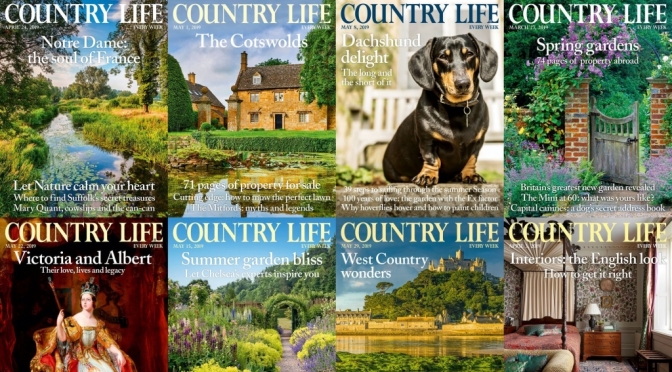
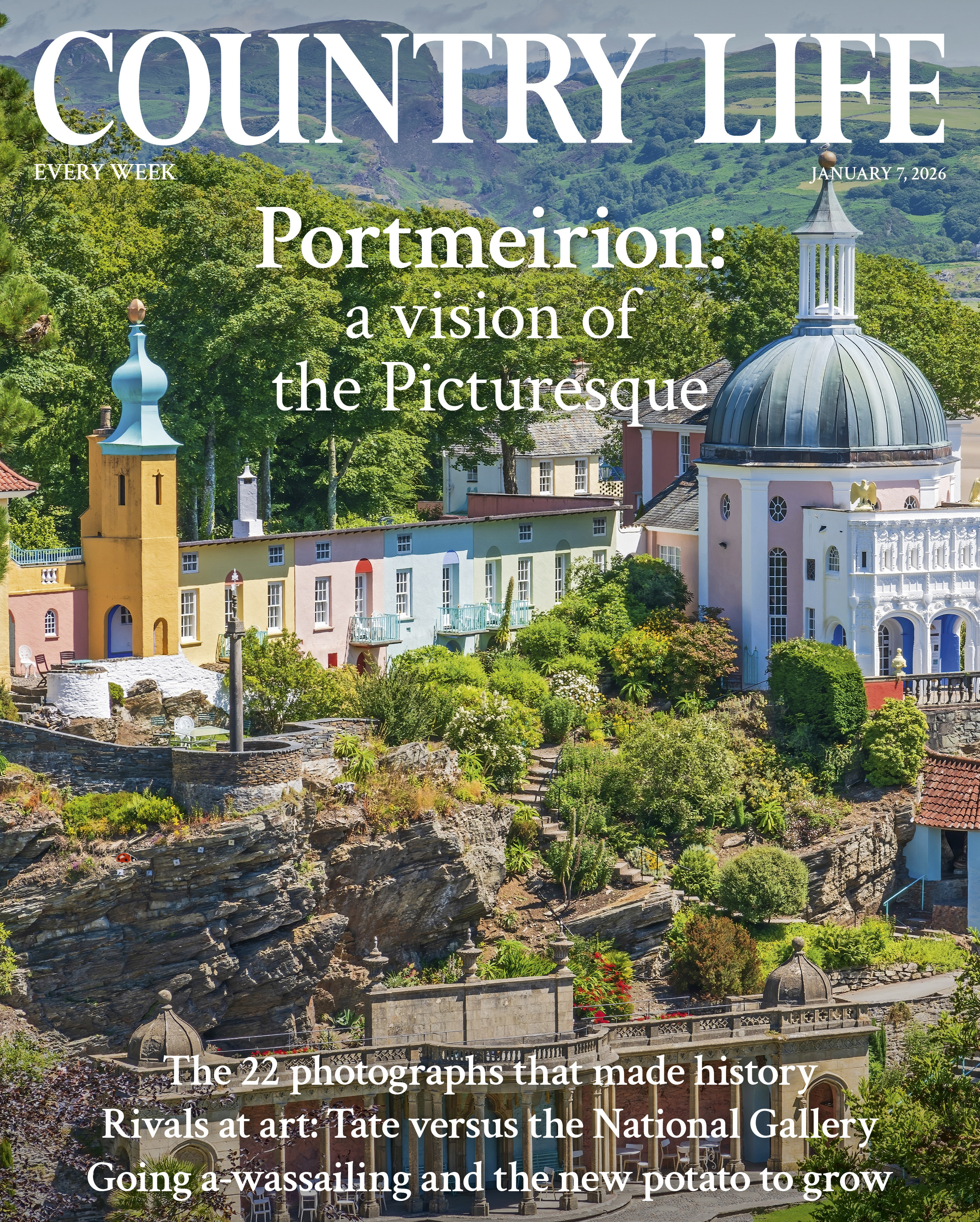
COUNTRY LIFE MAGAZINE – SEPTEMBER 24, 2025

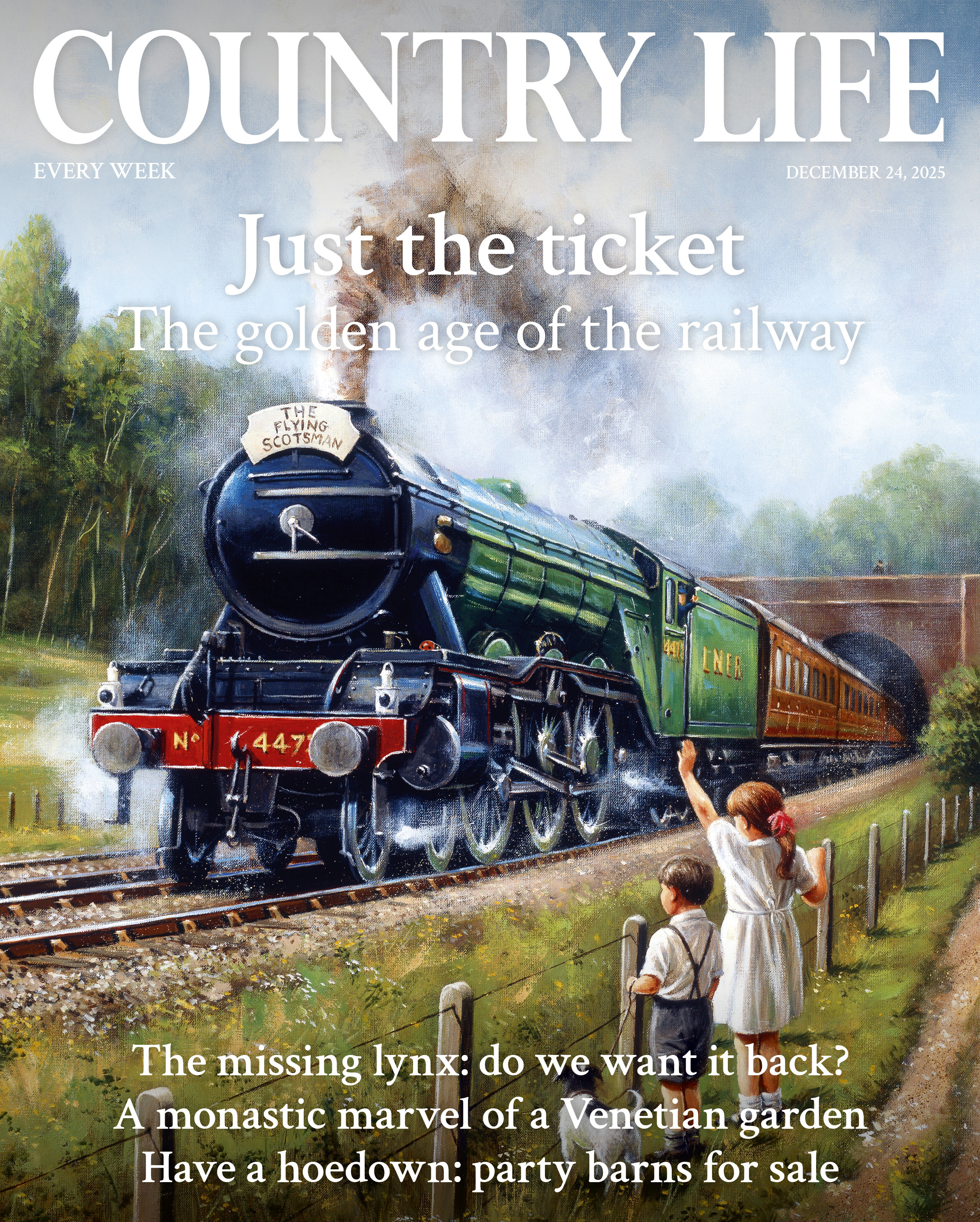
Cover of Country Life 24 September 2025

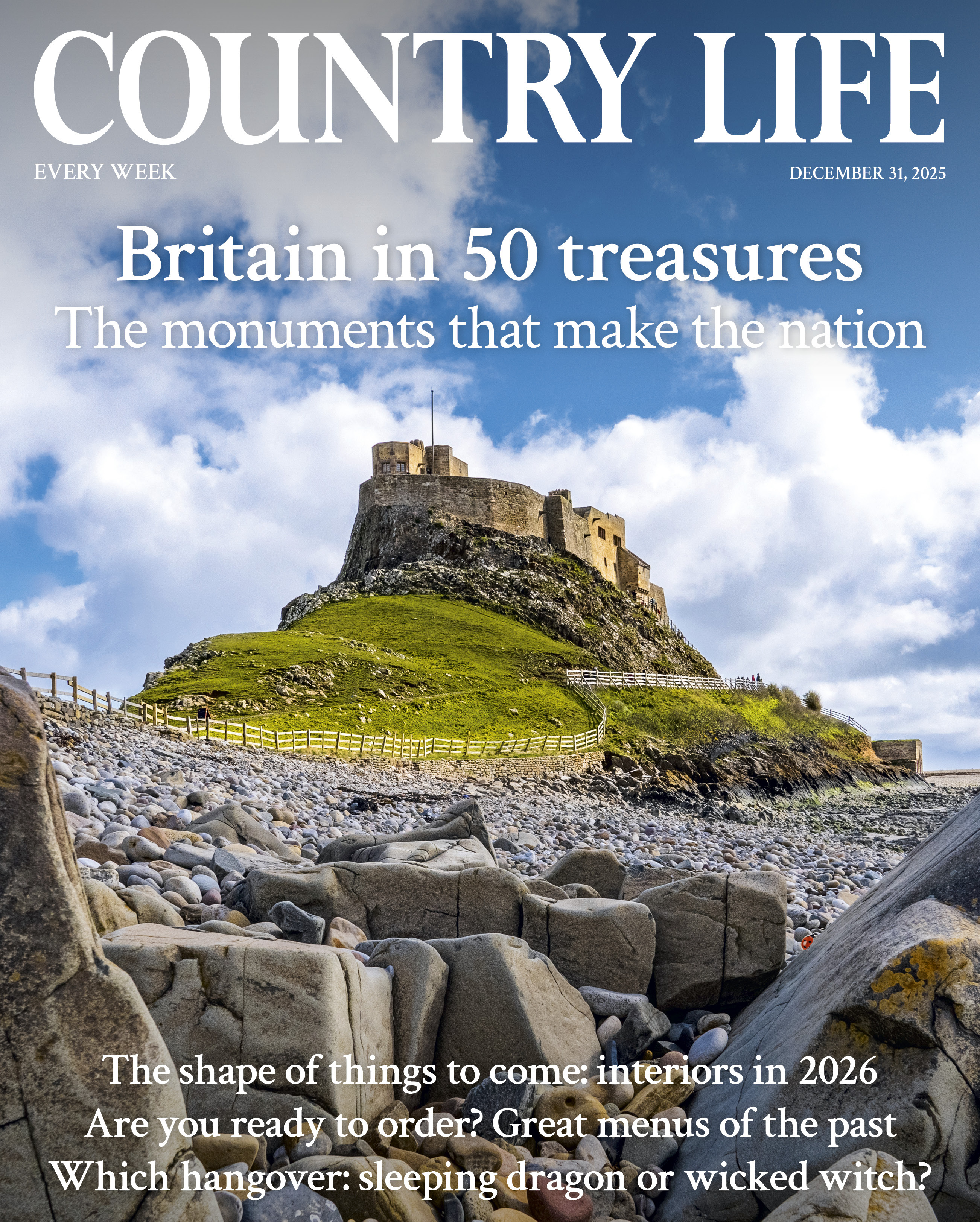
COUNTRY LIFE MAGAZINE: The latest issue features St Michael’s Mount at low tide.

The roads less travelled

Now you see them, now you don’t: Roger Morgan-Grenville treads the ephemeral sea paths of Britain, those often-ancient routes at the mercy of the tides

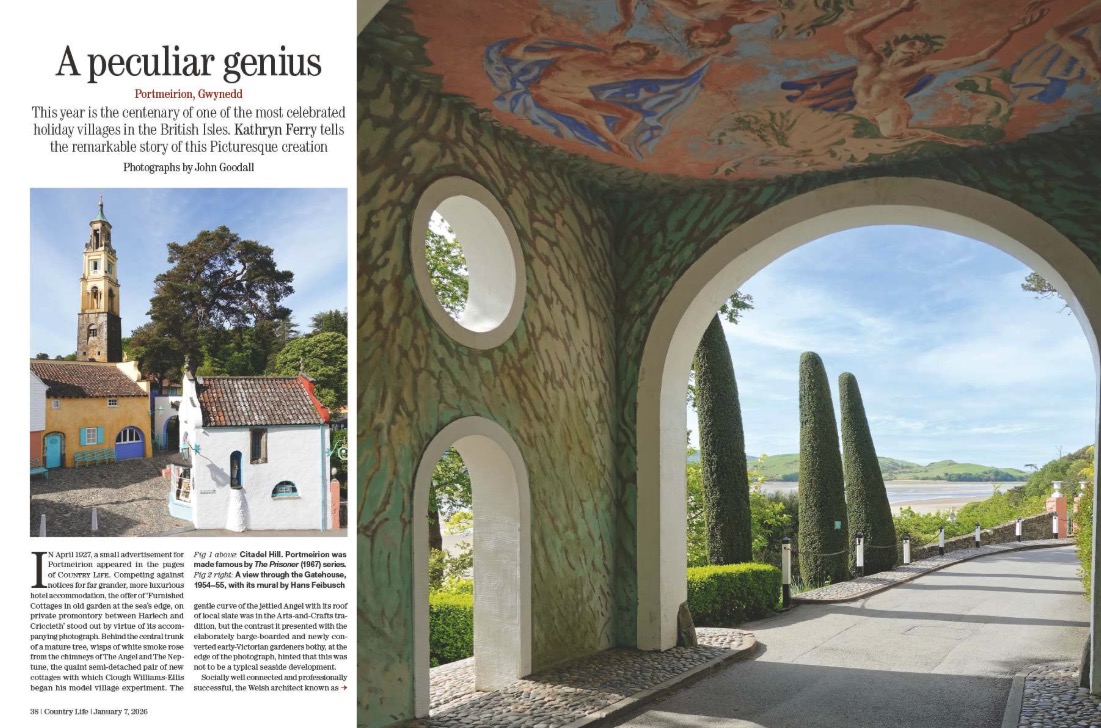
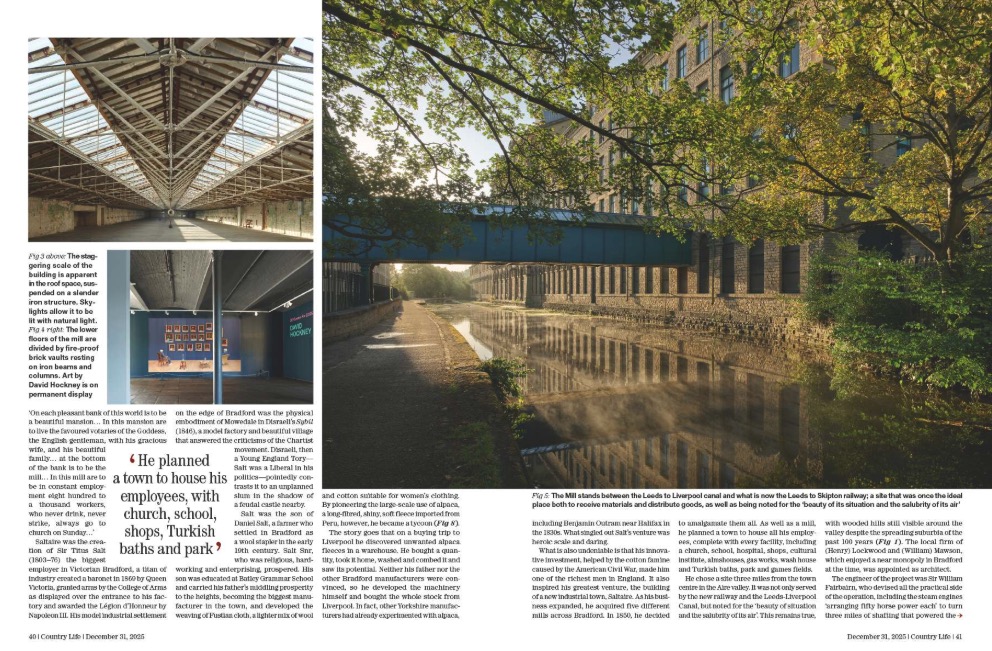
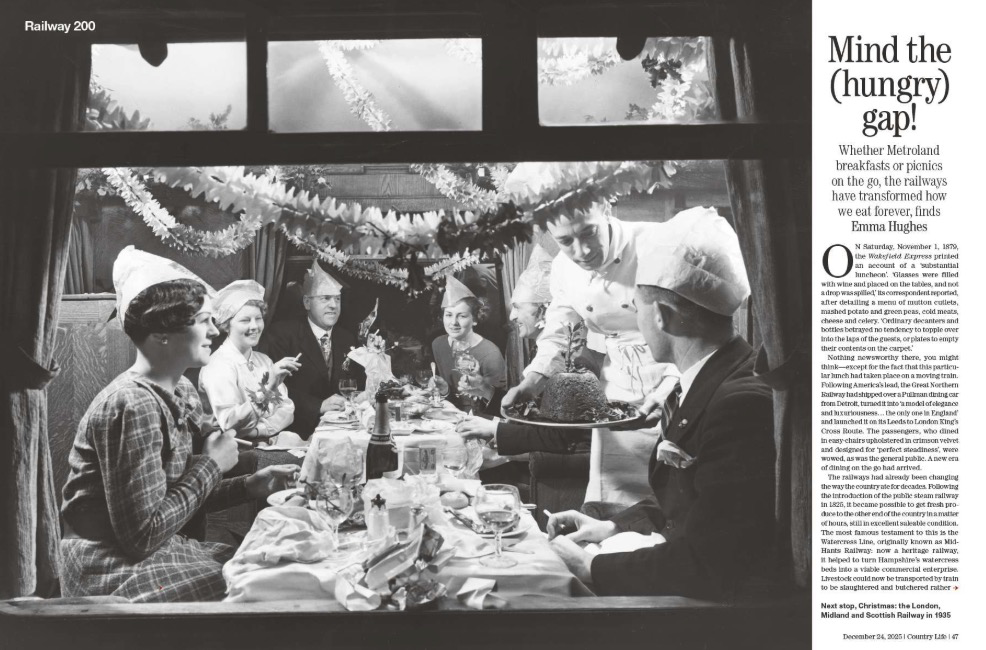
Spreads from Life Country Life 24 September 2025

A stitch in time

Deborah Nicholls-Lee unearths Mr Darcy’s shirt, Bertie Wooster’s dressing gown and Poldark’s tricorn hat in a fascinating trawl through the Cosprop wardrobes

Property market

A quartet of significant West Country houses is seeking buyers, reports Penny Churchill

Properties of the week

A Devon longhouse, Cornwall cottage and Somerset thatch catch Arabella Youens’s eye

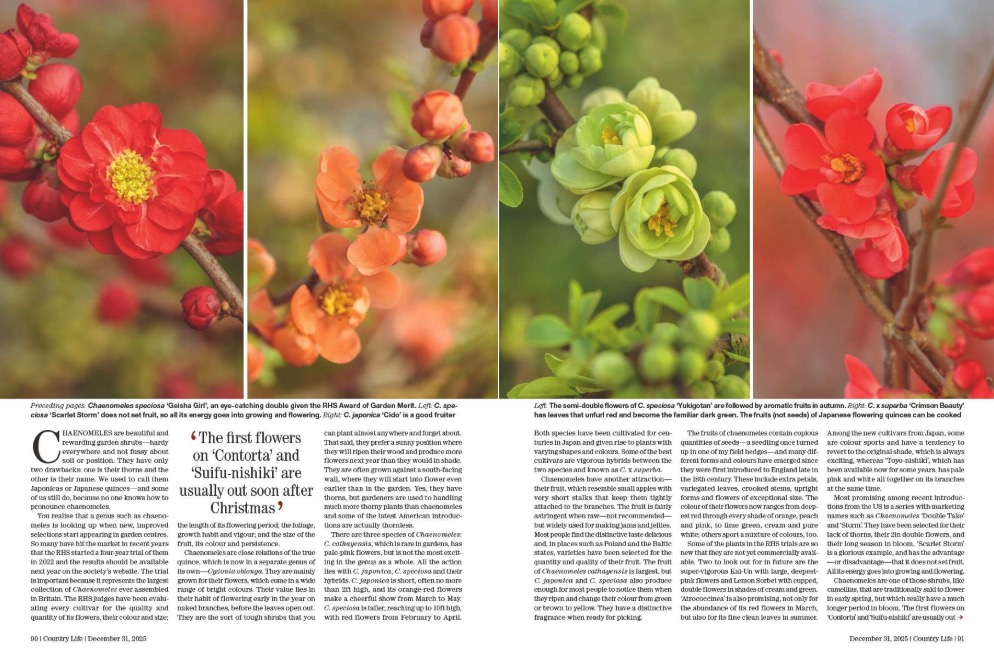
Spreads from Life Country Life 24 September 2025

When your art is in the right place

To whom do the experts turn for the best in framing, restoring and valuing? Leading art and antique dealers open their little black books for Amelia Thorpe

Leslie MacLeod Miller’s favourite painting

The impresario picks a portrait of a 19th-century singing sensation

Country-house treasures

The fortunes of a Cumbrian castle rest with the ‘Luck of Muncaster’, finds John Goodall

A Regency prospect

Steven Brindle looks at the remarkable story behind a fine Georgian creation — Samuel Wyatt’s Belmont House in Kent

Spreads from Life Country Life 24 September 2025

The legacy

Emma Hughes toasts the genius of Dennis Potter, the man who gave us the darkly comic and gritty Singing Detective

Beginning to see the light

John Lewis-Stempel and his dogs are up with the skylark to witness the dawning of a spectacular September day

Luxury

Amie Elizabeth White on tartan, tweed, timepieces and fruity jewels, plus a few of Victoria Pendleton’s favourite things

Interiors

Amelia Thorpe admires the makeover of a guest bedroom at a Scottish country house and picks the best bedside tables

Spreads from Life Country Life 24 September 2025

Plum advice

Charles Quest-Ritson shares his favourite forms of plum, gage, mirabelle and damson from the 20-plus varieties he has grown

Slightly foxed

Second-hand bookshops can be a goldmine of gardening wisdom, says John Hoyland

Scale model

David Profumo is transported back to childhood by the spiny, swashbuckling stickleback

Travel

Mark Hedges takes a break from reality on Bryher, a heather-clad haven in the Isles of Scilly

Arts & antiques

Art dealer John Martin tells Carla Passino why he can never part with a panel he stumbled upon by Nigerian sculptor Asiru Olatunde

THE GUARDIAN WEEKLY – SEPTEMBER 19, 2025 PREVIEW

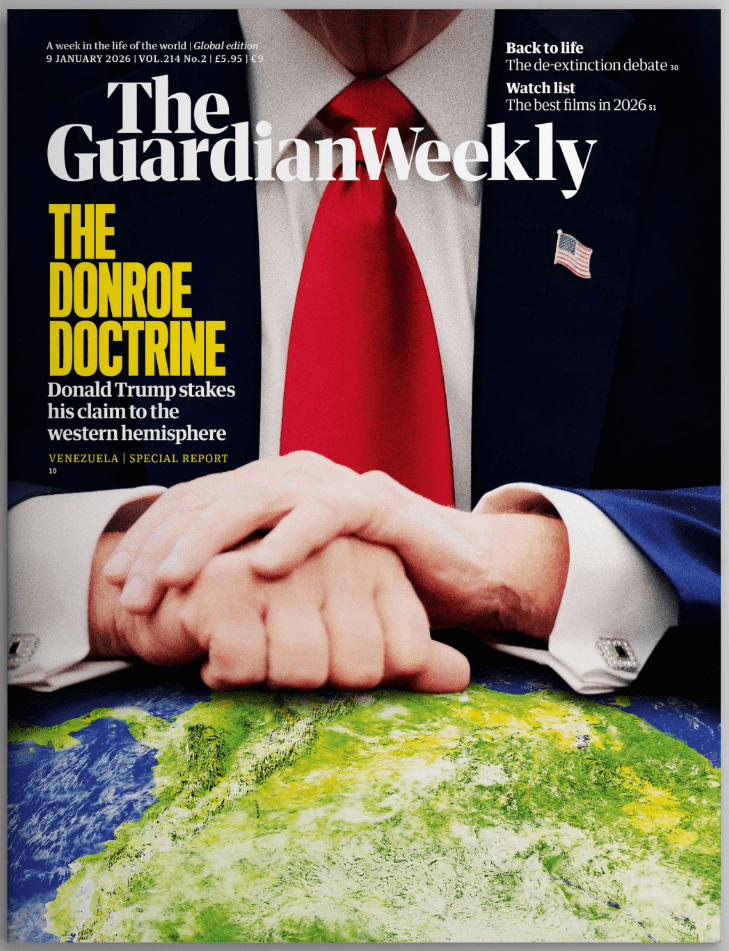
THE GUARDIAN WEEKLY: The latest issue features ‘Divided States’ – Will Charlie Kirk’s Death Change America?

The killing of Charlie Kirk last week sent shock waves through America among both supporters and opponents of his views. Yet until last week, the young rightwing activist was relatively unheard of – by older generations anyway – outside the US.

As the ripples and implications of his death continue to spread across the US and beyond, our big story takes a step back. Washington bureau chief David Smith explains how the young activist rose to prominence and gained a place within Donald Trump’s inner circle, his provocative brand of populism and charisma playing an outsize role in the Republicans’ 2024 election victory. As Steve Bannon, the prominent rightwing commentator, told the Guardian, Kirk’s popularity with young voters “changed the ground game” for Trump and the Maga movement.

Spotlight | Why has England become festooned with flags?
Chief reporter Daniel Boffey visits a Birmingham suburb to track down the genesis of a movement that wants to see the union jacks or the flag of St George displayed across the country

Special investigation | Boris Johnson’s pursuit of profit
A cache of leaked documents show a blurring of lines in the former prime minister’s private business ventures and political role after leaving office, our investigations team reveals

Feature | The porn business stripped bare
In Amsterdam, at Europe’s biggest pornography conference, Amelia Gentleman discovers the perils of a booming industry, from burnout to the advent of AI

Opinion | Trump is just a paper tiger
While the US president likes to present himself as the biggest, baddest strongman, he crumples in the face of Benjamin Netanyahu or Vladimir Putin’s belligerence, says Simon Tisdall

Culture | The power of pure pop
Famous for getting us through lockdowns with her kitchen disco and a stream of catchy hits, Sophie Ellis-Bextor tells Rebecca Nicholson about why the perimenopause is a gift to renewed creativity

THE ACADEMY AT CAREGGI

Marsilio Ficino and the Lost Art of Intellectual Friendship

By Michael Cummins, Editor, September 15, 2025

Earlier that day, a letter had arrived at each doorstep—written in Ficino’s careful Latin, sealed with the Medici crest. Come tonight, it read, for the stars are in accord and the soul requires company. It was invitation and summons at once. Poliziano scoffed at the astrology but tucked the note into his cloak. Pico, fresh from disputation, still had ink smudged on his fingertips when he broke the seal. Landino read it slowly, savoring the phrasing, then closed his worn Dante with a sigh. Gozzoli sharpened a charcoal stick and packed it beside a folded manuscript. Lorenzo glanced at the letter, smiled at its formality, and placed it beneath a pile of state papers, as if to remind himself that philosophy and politics were two halves of his life.

As evening drew in, the roads up to Careggi darkened. Lanterns swung from servants’ hands, lighting the cypresses along the ascent. Cloaks were drawn close, breath visible in the winter air. One by one they arrived—Poliziano striding quickly, as though words themselves propelled him; Pico lingering at the threshold, whispering a Hebrew phrase before stepping inside; Landino slow but steady, leaning on a servant’s arm; Gozzoli already sketching the turn of a staircase as he climbed; Lorenzo last, but never late, carrying the ease of a man for whom arrival was itself a ceremony.

In January 1486, at the Villa Medici in Careggi—north of Florence, in the hills of Rifredi—the villa seemed less a house than a harmony. Designed by Michelozzo di Bartolomeo, it bore the quiet precision of geometry translated into stone. Arcaded loggias opened onto citrus groves, terraces descended into the valley like measures of music, and every cornice seemed tuned to a mathematics of grace. Outside, the air was sharp with winter, the olive trees skeletal against a pale sky. But within the great hall, a fire crackled, filling the chamber with warmth. The walls, frescoed decades earlier, flickered as if alive in the candlelight. Tonight the villa was not a residence but a stage, and its occupants not merely guests but players in a drama older than Florence itself.

They gathered as friends, but each carried into the room the weight of reputation.

Poliziano, barely past thirty, was already Florence’s most brilliant poet. His Stanze per la Giostra, an unfinished hymn to Giuliano de’ Medici’s tournament, glittered with myth and memory. Quick of wit and sharper of tongue, he was both loyal to Lorenzo and ready to strike at those who questioned his genius.

Cristoforo Landino, older, stooped with age, was Florence’s commentator-in-chief. His lectures on Dante had turned the Commedia into a civic scripture, binding Florence’s destiny to its poet. If Poliziano was a flame, Landino was the lamp in which it burned steadily.

Giovanni Pico della Mirandola entered like lightning. Only twenty-three, he was preparing his audacious Oration on the Dignity of Man, a text that would dare to place human freedom on the same plane as angelic being. He had announced his intention to defend nine hundred theses, culled from Greek philosophy, Kabbalah, scholasticism, and Islamic thinkers, in a disputation that threatened to scandalize Rome. His learning was encyclopedic, his confidence dangerous, his youth incandescent.

Benozzo Gozzoli was quieter. His great achievement, the fresco cycle of the Procession of the Magi in the Medici chapel, was both sacred and political: angels mingled with courtiers, and the Holy Family arrived in Florence disguised as the Medici themselves. He preferred charcoal to disputation, sketching the turn of a head or the crease of a robe rather than wielding syllogisms. For him, philosophy was not abstract argument but the line that revealed the soul.

And then Lorenzo de’ Medici, il Magnifico, the center of the Florentine orbit. He had steered the city through the Pazzi conspiracy, outmaneuvered papal wrath, and cultivated a culture in which poets, painters, and philosophers could thrive. Half-banker, half-prince, he wrote verses of his own, presided over festivals, and wielded patronage as both weapon and blessing. His presence at Careggi made the evening not only intimate but official.

Marsilio Ficino, their host, sat at the head of the long table. Cloaked in scholar’s black, fingers resting on a lyre, he was the gravitational center of this circle. He had translated Plato, giving Florence back its philosophical ancestry, and wrote the Platonic Theology, arguing that the soul was immortal and divine. In his quieter moments, he prescribed music as medicine, believing that certain modes could cure melancholy as surely as herbs. He practiced a cautious astrology, binding celestial rhythms to bodily health.

Now, as the fire crackled, Ficino tuned his lyre and looked at his companions with quiet joy. These men—so brilliant, so flawed—were his constellation. He thought of Plato’s cave, of Plotinus’s ascent, of Florence’s restless brilliance, and wondered whether beauty could save it. Tonight, he wanted not to translate but to live a dialogue. He plucked a chord and listened not to the sound, but to the silence it left behind.

What survives when the body falls silent?

Landino spoke first, quoting Dante: L’anima nostra, che di sua natura è immortale… Death was no end but transition. His tone was measured, his gaze steady, as though Florence itself were listening.

Poliziano leaned forward, impatient. “But Plato required myth to prove it. Immortality may lie not in substance but in song. What survives is the echo, not the essence. My verses, your commentaries—those are what endure.”

Pico’s eyes burned. He leaned back slightly, his gaze still locked on Poliziano. “No, Angelo. The soul is indivisible, free, eternal. Your echoes are ash if not tethered to truth. Without immortality, justice collapses. Would you have us live as beasts, hoping only for memory?”

Gozzoli raised his parchment, showing the curve of a face. “I have painted expressions that gaze back centuries later. If souls endure, perhaps they endure through pigment and gesture. A fresco is a kind of eternity.”

Lorenzo swirled his goblet, amused. He let the silence linger before speaking. “You cling to your own crafts—reason, verse, paint. But power is remembered longer. Rome honors her emperors not for their souls but for their laws. If Florence endures, it will be for institutions, not verses.”

The fire snapped. Smoke traced its slow scroll into the rafters.

Is love a hunger, or a ladder to the divine?

Poliziano was quick, his words bright as sparks. “Love is hunger—sweet, bitter, wounding. It gnaws at the poet until words burst forth. To dress it as a ladder is to kill its fire. No poet climbs—he burns.”

Pico bristled, voice sharp. He gestured with his hand as though sketching the ladder in the air. “Plato teaches otherwise. In the Symposium, love begins in desire but ascends rung by rung until it gazes upon the divine. Hunger is only the first step. To remain in it is to remain chained.”

Landino, steady, mediated. “Love is both appetite and ascent. Dante saw it: love moves the sun and the other stars. The soul is pulled in both directions, and in that tension it lives.”

Gozzoli brushed a fleck of charcoal from his sleeve. “In art, love is light. Without it, color dies. When I painted angels, I painted not desire nor ascent, but radiance. That radiance is love.”

Lorenzo raised his goblet, amused. “If love is ascent, politics must climb as well. Yet a republic cannot live on love alone. Too little, it collapses; too much, it drowns. Love must be measured like wine—enough to warm, not enough to flood.”

The candles guttered.

Can beauty make a city just?

Landino’s answer was firm. “Yes. Beauty educates. A city shaped by harmony breeds citizens shaped by harmony. Florence’s dome, its piazzas, its frescoes—they teach order.”

Poliziano shook his head. “But beauty deceives. A poem can gild cruelty. A tyrant can mask injustice with marble. False beauty is the danger.”

Pico leaned forward, eyes alight. “Beauty is the soul recognizing itself in form. But to conscript it for politics is degradation. Beauty belongs to God.”

Gozzoli’s voice dropped. He smudged the charcoal with his thumb, as if testing his own words. “Every fresco I painted was persuasion. I gave Florence angels and saints, but I knew I was giving Lorenzo legitimacy. Was it justice or illusion? I cannot say. I only know that without beauty, citizens despair.”

Lorenzo’s smile was thin. He tapped the rim of his goblet. “Power without beauty is brutality. Beauty without power is decoration. Florence must have both, or she will falter.”

Do the stars heal, or do they bind?

Landino frowned. “Astrology is poetry mistaken for science. The stars inspire, but they do not compel.”

Poliziano smiled. “Yet I have written verses under moonlight as though cadence were whispered from above. If they bind, they bind in music.”

Pico’s voice cut sharp. “The stars compel nothing. To surrender to them is heresy. Grace alone governs man. To believe otherwise is to betray freedom.”

Gozzoli lifted his sketch of a face crowned with constellations. “The stars do not bind. They illuminate. They remind shepherds and kings alike that we are not alone in the dark.”

Lorenzo tilted his head. “The stars are politics written across the sky. Farmers plant, sailors sail, princes strike—all by their guidance. If they heal, it is belief. If they bind, it is because rulers use belief.”

Finally Ficino spoke, his tone calm but decisive. “The stars incline, but do not compel. Herbs, stones, melodies—all are instruments. They tune the body, but the soul remains free. Wisdom lies between denial and surrender—in harmony.”

The hall was quiet. Outside, olive groves bent in the winter wind. Inside, five men leaned closer, their words crossing like beams of light. It was not debate but something more fragile, more luminous: friendship turned into philosophy.

Centuries later, across the Atlantic, another landscape received that resonance. In the Hudson Valley of New York, winter light lay across the river like a mirror. At Olana, Frederic Church painted sunsets as though they were revelations, the sky itself a scripture of color. The Hudson River School sought not just landscape but transcendence: light as theology, horizon as hymn. A few miles north, at Bard College, a library with floor-to-ceiling windows overlooked the river’s bend, its glass walls holding a different kind of symposium.

Here, a circle gathered again—not princes or poets, but a painter, a philosopher, a civic activist, and a poet of the local hills. The painter spoke of light as memory, insisting every canvas was less depiction than resurrection. The philosopher invoked Spinoza, saying that God was not above but within, diffused through river, stone, and thought. The activist leaned forward, half in jest, half in earnest, and asked whether zoning laws might embody Platonic ideals. The poet, notebook open, wrote fragments, catching echoes of Careggi.

The fire was modern, a wood stove; the wine, from the Finger Lakes; the instruments, not lyres but laptops sleeping on a side table. Yet the air trembled with the same listening that had once filled Ficino’s villa. The Hudson, like the Arno, carried history but also invitation.

The true legacy of Ficino’s Academy is this: thought, when shared in friendship, becomes a kind of music.

THIS ESSAY WAS WRITTEN AND EDITED UTILIZING AI

THE GUARDIAN WEEKLY – SEPTEMBER 12, 2025 PREVIEW

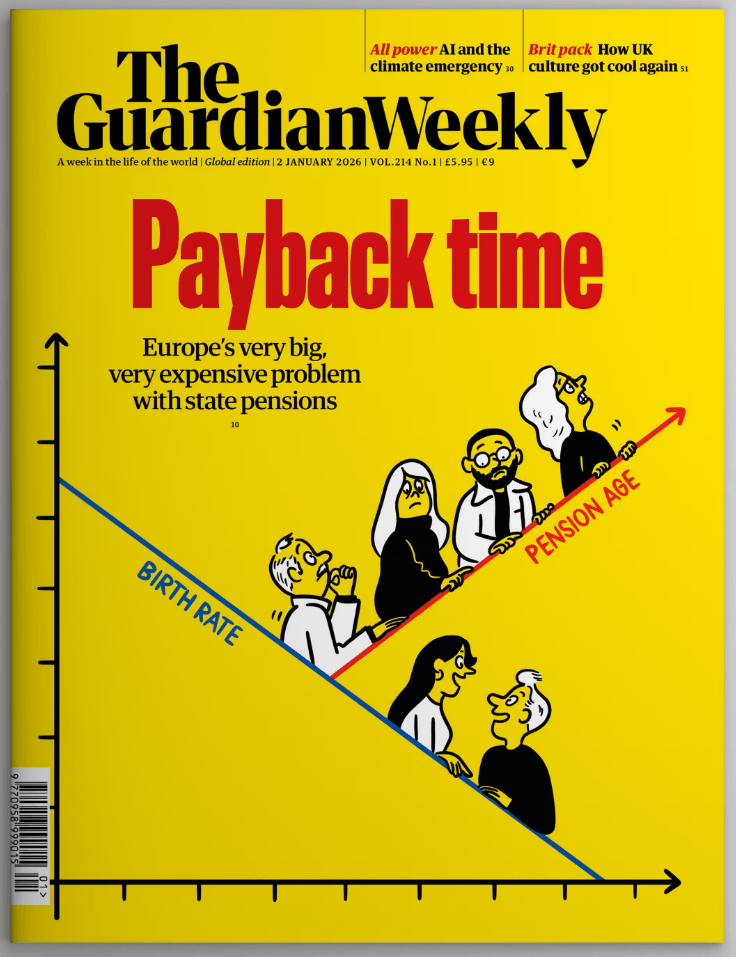
THE GUARDIAN WEEKLY: The latest issue features ‘The Axis of Upheaval…and what it means for the West’

Xi Jinping had been waiting for the right moment to serve notice of China’s growing might and influence to the rest of the world, and the 80th anniversary of the end of the second world war provided the Mao-suited Chinese leader with the perfect opportunity.

Last week’s bombastic (or should that be bomb-tastic?) military parade in Beijing – in the presence of Vladimir Putin, Kim Jong-un and a host of other global strongmen – was intended as a show of force and stability to contrast sharply with the chaotic unpredictability of Donald Trump’s America. And, as the leaders of the world’s most notorious pariah states bear-hugged and strolled around Tiananmen Square like the cast of Reservoir Dogs, the optics did not disappoint.

But behind the scenes, how robust actually is the so-called “axis of upheaval”? As our big story this week explores, the illiberal alliance is riven by internal fractures and mistrust between China, Russia and North Korea that date back many years and cannot be discarded as quickly as Xi, or anyone else, might like.

Spotlight | France’s latest political crisis
The fall this week of prime minister François Bayrou exposed a political malaise that is likely to sour French politics well beyond the 2027 presidential election, reports Paris correspondent Angelique Chrisafis

Interview | Leonard Barden, chairman of the chess board
From honing his game in air raid shelters during the second world war to beating grand masters, our record-breaking chess columnist has lived an extraordinary life. Now aged 96, he chats to our chief sports reporter Sean Ingle

Feature | Syria’s cycle of sectarian violence
Over a few brutal days in March, as sectarian violence and revenge killings tore through parts of the country, two friends from different communities tried to find a way to survive. By Ghaith Abdul-Ahad

Opinion | Angela Rayner’s exit is a bombshell for Keir Starmer
The UK deputy prime minister’s fall will exacerbate all the doubts about the PM himself and his ability to keep Labour in power, writes Jonathan Freedland

Culture | Spinal Tap turn it up to 11, one last time
More than 40 years since the film This Is Spinal Tap was mistaken for a comedy, its hard-rocking subjects are back for a legally obligated final gig. Our writer Michael Hann smells the glove

FOREIGN POLICY MAGAZINE – FALL 2025 PREVIEW

The cover of the fall 2025 print issue of Foreign Policy magazine, showing a tattered flag with a globe on it on a stick.

FOREIGN POLICY MAGAZINE: The latest issue features ‘The End Of Development’

The End of Development

The West’s aid model was always a mirage. It’s time for a realistic alternative. By Adam Tooze

How Big Finance Ate Foreign Aid

Investors have drained the global south in pursuit of aggressive profit maximization. Daniela Gabor

The Development Economist Who Wasn’t

Once dismissed from the field he helped found, Albert O. Hirschman feels newly relevant. Daniel W. Drezner

The Problem With the Global South’s Self-Help Push

Poorer countries have become more integrated but not necessarily more united. David C. Engerman

LONDON REVIEW OF BOOKS – SEPTEMBER 11, 2025 PREVIEW

LONDON REVIEW OF BOOKS: The latest issue features ‘Why we need Dorothy Parker’; Biography of a Biography; David Lynch’s Gee-Wizardry


Ellmann’s Joyce: The Biography of a Masterpiece and Its Maker 
by Zachary Leader

Constant Reader: The New Yorker Columns 1927-28 by Dorothy Parker

Dorothy Parker: Poems by Dorothy Parker

Dorothy Parker in Hollywood by Gail Crowther

David Lynch’s American Dreamscape: Music, Literature, Cinema by Mike Miley

LITERARY REVIEW – SEPTEMBER 2025

LITERARY REVIEW : The latest issue features ‘Mysteries of Marlowe’

Dark Renaissance: The Dangerous Times and Fatal Genius of Shakespeare’s Greatest Rival, Christopher Marlowe By Stephen Greenblatt
The Boundless Deep: Young Tennyson, Science, and the Crisis of Belief By Richard Holmes
A Scandal in Königsberg, 1835–1842 By Christopher Clark

APOLLO MAGAZINE – SEPTEMBER 2025

September 2025

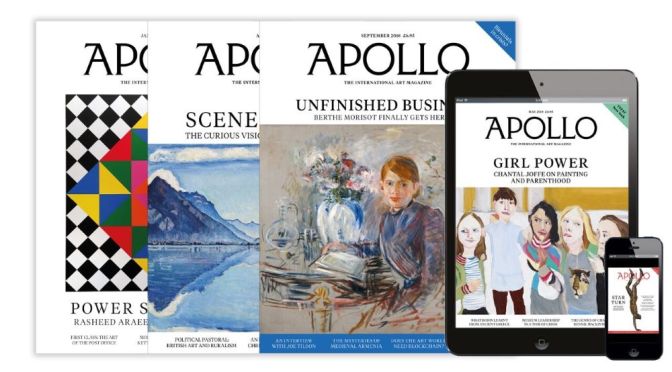
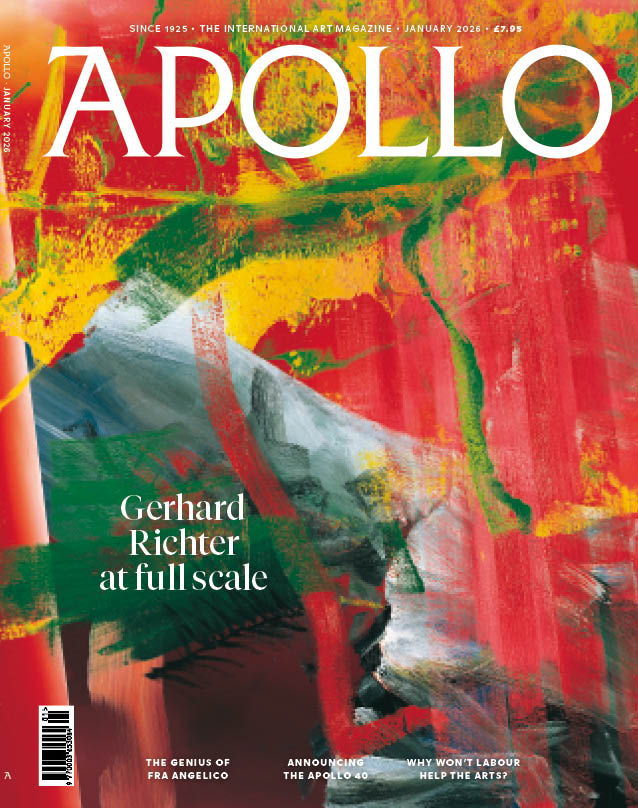
APOLLO MAGAZINE: The latest issue features The singular art of Georges de La Tour | Britain’s place in the soft-power race | Alec Cobbe’s masterful collecting | the Mona Lisa of medieval manuscripts

When American modernism planted its flag in London

Eero Saarinen’s US embassy building in Mayfair has long been undervalued, but its conversion into a luxury hotel may help revive its reputation

When British sculpture became modern

Henry Moore and Barbara Hepworth are ever in demand, but the market for their lesser-known contemporaries is growing too


Élisabeth Vigée Le Brun’s Roman holiday

While exiled in the city, Marie Antoinette’s favourite artist stuck up a close friendship with her own idol, Angelica Kauffman

The Silvered City with a Fevered Heart

In 1590, the Spanish port of Seville was the epicenter of the first global economy—a city drowning in silver, haunted by plagues, and inventing the anxieties we now know all too well. Its story is a warning.

By Michael Cummins, Editor, Intellicurean, August 20, 2025

Before there was Wall Street, London, or Shanghai, there was Seville. We live today in a world defined by intricate global supply chains, where fortunes are made on the abstract flow of capital and data, and where a single ship stuck in a canal can trigger worldwide anxiety. We know the feeling of living in a hyper-connected age, with all its dizzying wealth and its profound fragility. We talk of unicorn companies, bubbles, and systemic risk, sensing that the towering edifice of our prosperity rests on foundations we don’t fully understand. But what did the very first version of that world feel like, before the risks were modeled and the consequences were known?

To understand the unnerving vertigo of our own time, you have to go back to a muddy river in southern Spain, four centuries ago, when the modern world was being born in a flash of silver and blood. You have to imagine a spring morning in 1590.

At first light, the galleon Nuestra Señora de la Merced drifts slowly up the Guadalquivir River. Its sails, slack after the long Atlantic crossing from Panama, are stained with salt and sea-spray. Its sturdy Iberian oak hull, scarred by shipworms and storms, creaks under the registered weight of 500 tons. On the bustling Arenal waterfront, a dockworker named Mateo shields his eyes against the rising sun. He sees not a symbol of imperial glory, but the promise of a day’s wage, the chance to buy bread for his family at a price that seems to climb higher every month. His ropes are coiled in calloused hands, the air thick around him with the smell of pitch, citrus, and the river’s brackish breath.

Further back, shielded from the morning sun in the arcaded loggias of the Calle de las Gradas, men of a different class watch the same ship with a far more specific terror. A Genoese banker in sober black silk mentally calculates the interest on the massive loan he extended to King Philip II, a loan secured against this very shipment. Beside him, a Castilian merchant, having mortgaged his ancestral lands to finance a speculative cargo of wine and olive oil on the outgoing voyage, feels a tremor of hope and fear. Was the voyage profitable? Did pirates strike? Did the storms claim his fortune?

In a dusty office nearby, a scribe from the Casa de la Contratación—the formidable House of Trade—readies his quills and ledgers. He will spend the day recording every ingot, every barrel, every notarized claim, his neat columns tracking the quinto real, the “royal fifth,” the 20% tax on all precious metals that funds Spain’s sprawling wars in Flanders and the Mediterranean. In this moment, a city of nearly 150,000 souls—the largest and most important in Castile—holds its breath. The Guadalquivir carries not only treasure but the very lifeblood of an empire. And with it, a new kind of global pulse.

For nearly a century, Seville held the absolute monopoly on all trade with the Americas. Granted by the crown in 1503, this privilege meant every ounce of silver from the great mountain-mine of Potosí, every barrel of cochineal dye, every crate of indigo, and every human being—whether a returning colonist, a hopeful migrant, or an enslaved African—was funneled through its port. It was not merely a metropolis; it was a complex, living organism. Its artery was the river; its brain was the bureaucracy of the Casa; its beating heart was the Plaza de San Francisco, where coin, credit, and rumor changed hands with dizzying speed.

The brain of this operation, the Casa de la Contratación, was an institution without precedent. It was a combination of a shipping board, a research institute, and a supreme court for all maritime affairs. Within its walls, master cartographers secretly updated the Padrón Real, the master map of the New World, a document of such immense geopolitical value that its theft would be a blow to the entire empire. Its school for pilots trained men to navigate by the stars to a world that was, to most Europeans, still a realm of myth. The Casa licensed every ship, certified every sailor, and processed every manifest. It was the centralized, bureaucratic engine of the world’s first truly global enterprise.

The lifeblood of the system was the annual treasure fleet, the Flota de Indias. This convoy system, a necessity born from the existential threat of French and English privateers, was a marvel of logistics. Sailing in two main branches—one to Mexico, the other to Panama to collect the silver of Peru—the fleets were floating cities, military and commercial operations of immense scale. Their return, usually in late spring, was the moment the imperial heart beat loudest. The sheer volume of wealth was staggering. According to the foundational economic data compiled by Earl J. Hamilton, in the two decades from 1581 to 1600, over 52 million pesos in silver and gold were officially registered passing through Seville. The clang of heavy presses striking that silver into the iconic reales de a ocho, or pieces of eight—the world’s first global currency—echoed from the Royal Mint near the river.

This deluge of wealth transformed the city. To manage the booming trade, construction had begun in 1584 on a grand new merchant exchange, the Casa Lonja de Mercaderes. Designed by Juan de Herrera, the architect of the king’s austere Escorial palace, its monumental Renaissance style was a physical manifestation of Seville’s self-image: ordered, powerful, and the nerve center of a global Christian empire. The great Gothic Cathedral, already one of the largest in Christendom, glittered with new silver candlesticks and gold-leafed altarpieces forged from American bullion. The city attracted a complex web of foreign merchants and bankers who operated in a state of symbiotic tension with the Spanish crown. As historian Eberhard Crailsheim explains, foreign merchants were “indispensable for the functioning of the Spanish monopoly system, while at the same time they were its greatest threat.” They provided the credit and financial instruments the empire desperately needed, ensuring that American silver circulated rapidly into the European economy to pay the crown’s debts, often before it had even been unloaded at the Arenal.


But this firehose of silver was never pure. The same river that delivered the bullion also carried plague, contraband, and devastating floodwaters. That river of wealth was also a river of poison.

The most visceral fear was disease. Each arriving fleet was a potential vector for an epidemic. Ships from the Caribbean, their crews weakened by months at sea and ravaged by scurvy, disgorged sailors carrying typhus, smallpox, and what was then called vómito negro (yellow fever) into the densely packed, unsanitary tenements of the Triana neighborhood across the river. An outbreak meant sudden, terrifying death. It meant closed gates, armed guards preventing travel, and the dreaded chalk mark on the door of an infected house. While the truly catastrophic Great Castilian Plague of 1596–1601, which would kill a quarter of the city’s population, was still a few years away, smaller outbreaks kept the city in a perpetual state of anxiety.

Economic contagion was just as insidious. The endless flood of American silver triggered a century-long inflationary crisis known as the Price Revolution. As the money supply swelled, the value of each coin fell, and the price of everything—from bread and wine to cloth and rent—skyrocketed. A blacksmith or farmer in the Castilian countryside found himself poorer each year, his labor worth less and less. The very treasure that enriched the king and a small class of merchants was simultaneously impoverishing the kingdom. This paradox revealed the empire’s core fragility: it was living on credit, perpetually on the verge of bankruptcy (which it would declare again in 1596), its vast military and political ambitions financed by treasure it had not yet received.

Illicit trade pulsed through the artery with the same rhythm as legal commerce. Silver was smuggled to avoid the quinto real, often with the collusion of the very officials meant to prevent it. Forbidden books—Protestant tracts from Northern Europe or scientific texts deemed heretical—were hidden in barrels and circulated in the city’s more than one hundred taverns. And in the shadows of the Cathedral, a teeming underworld flourished. This was the world Miguel de Cervantes knew intimately. In the late 1580s, he served in Seville as a naval commissary, requisitioning wheat and olive oil for the navy—a frustrating job that landed him in jail and exposed him to the city’s seedy underbelly. His experience shaped his picaresque tale Rinconete y Cortadillo, a brilliant portrait of a city of hustlers, thieves, and corrupt officials who had created a perfect, parasitic society in the shadow of imperial wealth.

The Guadalquivir itself, the source of all this prosperity, was turning against the city. Centuries of deforestation and agricultural runoff were causing the river channel to silt up, creating treacherous sandbars near its mouth. As modern hydrological studies confirm, the late sixteenth century was a period of extreme environmental change in the estuary. At the time, the city’s frequent, devastating floods were interpreted as divine punishment for its sins of greed and luxury. In reality, it was a slow, man-made thrombosis. The great artery was hardening.


In a city defined by such spectacular contradictions—unimaginable wealth and desperate poverty, global connection and epidemic disease, rigid piety and rampant crime—life was lived on a knife’s edge. To manage these profound anxieties, Seville transformed itself into a grand stage, and the river became the backdrop for its most important dramas of power, faith, and identity.

The sensory experience of the port was an unforgettable piece of theater. Chroniclers describe the overwhelming smells of spices and sewage, the cacophony of ships’ bells and construction cranes, and the shouts of sailors in a dozen languages. Enslaved West Africans loaded and unloaded cargo in the grueling sun, their forced labor the invisible foundation of the entire enterprise. Moorish artisans crafted vibrant ceramics in Triana, while Flemish merchants in lace collars inspected textiles near the Casa Lonja. It was a microcosm of a new, globalized world, assembled by force and commerce on the banks of a single river.

To contain the social and spiritual anxieties this world produced, the city deployed the power of art and ritual. Painters of the emerging Seville School, like Francisco Pacheco, experimented with dramatic chiaroscuro, their canvases echoing the city’s tension between divine order and worldly excess. The church, enriched beyond measure by the tithes on American silver, became the primary patron of this art. As historian Amanda Wunder argues in her book Baroque Seville, these spectacular displays were essential civic mechanisms. The city, she writes, sought to “transmute the New World’s silver into a spiritual treasure that could be stored up in heaven” as a defense against the very instability that wealth created.

Nowhere was this clearer than during the feast of Corpus Christi, the city’s most important celebration. The streets were covered in flowers. The great guilds marched with their banners. And at the heart of the procession was the custodia, an immense, fortress-like monstrance of solid silver, paraded through the city as a tangible symbol of God’s presence. This was not mere decoration; it was a carefully choreographed piece of public therapy. It took the source of the city’s anxiety—silver—and transformed it into an object of sacred devotion, reassuring the populace that their chaotic world was still under divine control. In this baroque theater, as the eminent historian Antonio Domínguez Ortiz noted, Seville’s greatness was inseparable from its “spectacular fragility.”

Overseeing this entire performance was the Holy Office of the Inquisition, its headquarters looming in the castle of Triana. The Inquisition was not just hunting heretics; it was policing the boundaries of thought and expression in a dangerously cosmopolitan city. Its public trials, the autos-da-fé, were another, darker form of theater, designed to root out dissent and reinforce social order. Its presence created a climate of suspicion that simmered beneath the city’s vibrant surface.


The year 1590 was, in retrospect, a historical precipice. To a contemporary observer standing on the Triana bridge, watching the forest of masts on the river, Seville must have seemed invincible, the permanent heart of a permanent empire. The monumental walls of the Casa Lonja were rising, the mint’s hammers clanged incessantly, and the Cathedral shone with American treasure.

Yet within its very triumph lay the seeds of its decay. The shocking defeat of the Spanish Armada just two years prior had been a blow to both the treasury and the national psyche. The bankruptcy of 1596 loomed. The river’s sedimentation was worsening, a physical reality that would, over the next few decades, slowly choke the port and eventually divert the monopoly of trade to Cádiz. The great artery was silting, even as its pulse quickened.

Still, to walk the riverbank in 1590 was to witness the apex. Children stared at ships vanishing over the horizon toward a nearly mythical world; merchants prayed over contracts sealed with a handshake; artisans fashioned silver into monstrances of breathtaking complexity. The Guadalquivir carried all these flows—material, sensory, and symbolic. Its pulse was not merely economic; it was emotional, theological, and aesthetic. A popular epithet of the time called Seville “the city where the world’s heart beats.” In 1590, that heartbeat was fevered, irregular, and already trembling with overexertion—but it was magnificent.

At dusk, as the river darkened to ink, the silver locked away in the city’s coffers seemed to gleam like a heart beating too fast, too bright, and far too fragile to last. In that shimmer lay the paradox of Seville: a city at once glorious and doomed, sustained and threatened by the very waters that had forged its destiny. It’s a paradox baked into the very nature of globalization—a fevered heartbeat we can still hear in the rhythm of our own world.

THIS ESSAY WAS WRITTEN AND EDITED UTILIZING AI