
Tag Archives: Heart

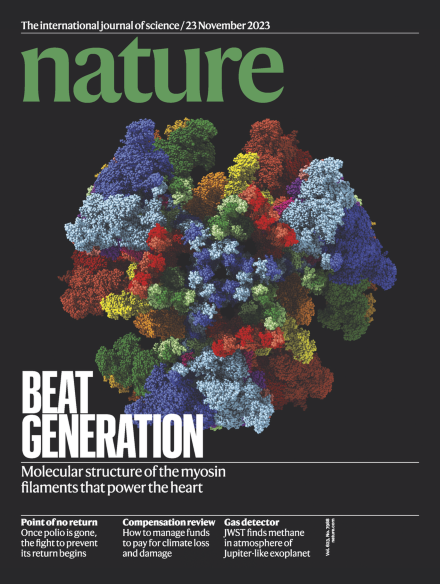
Research Preview: Nature Magazine – Nov 23, 2023

B 8G4L/ChimeraX

Volume 623 Issue 7988

Nature Magazine – November 23, 2023: The latest issue cover features how cryo-electron microscopy can reveal the structure of motor protein myosin filaments, which power the heart via muscle contraction.

Earth just had its hottest year on record — climate change is to blame

Around 7.3 billion people faced temperatures strongly influenced by global warming over the past year.

UK first to approve CRISPR treatment for diseases: what you need to know

The landmark decision could transform the treatment of sickle-cell disease and β-thalassaemia — but the technology is expensive.

How AI is expanding art history

From identifying disputed artworks to reconstructing lost masterpieces, artificial intelligence is enriching how we interpret our cultural heritage.
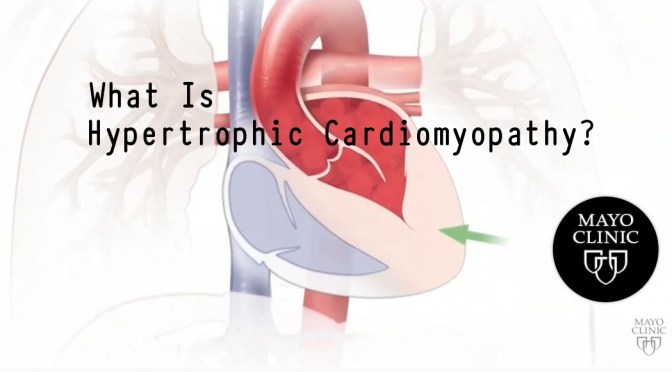
Mayo Clinic Heart Health: ‘What Is Hypertrophic Cardiomyopathy? ‘ (Video)

Hypertrophic cardiomyopathy is a thickening of the heart muscle, making it more difficult to pump blood. Dr. Steve Ommen is a Mayo Clinic cardiologist who specializes in the disease. He says shortness of breath or chest pain, especially during exercise, are common symptoms. Many people with the disease won’t have any significant health problems. But there are cases that require treatment. If a patient has symptoms that affect quality of life, the disease is treated with medications. Surgery or other procedures also may be necessary in some cases.

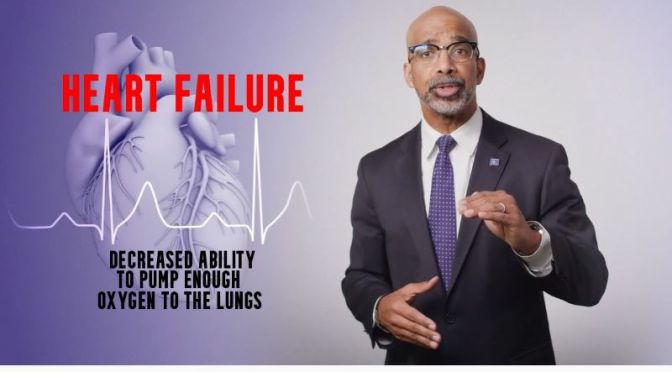
Heart Failure: ‘What Is It & How To Treat It’ (Video)

The heart is a hero. It works relentlessly to deliver oxygen and nutrients to the body. But just like all heroes, sometimes it gets tired, and can’t do its job as well. This is called heart failure – the inability for the heart to pump enough blood and oxygen to the lungs and rest of the body. In this video, Northwestern Medicine cardiologists Clyde W. Yancy, MD, MSc and Jane E. Wilcox, MD, MSc explain what heart failure is and the integrated and collaborative approach used to diagnose, stage and treat heart failure at Northwestern Medicine. For more information, visit http://heart.nm.org

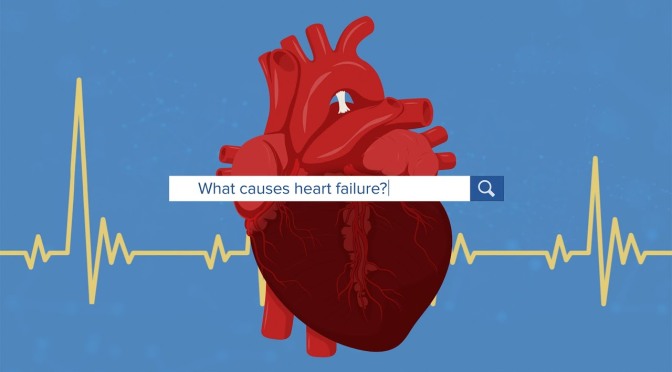
Yale Medicine: ‘What Causes Heart Failure?’

The heart is a muscle and it’s main job is to pump blood but certain things can cause that muscle to fail. There are genetic reasons, there are reasons related to valve disease, and there’s a viral infection that affects the heart called myocarditis.

The most common cause of heart failure is a heart attack. Fatty plaque builds up in the blood vessel that supplies the heart itself and unless that blood vessel is opened up immediately that muscle will die. The rest of the muscle that’s not dead anymore has to do extra to keep on pumping the blood and overtime it cannot keep and that’s when heart failure develops.

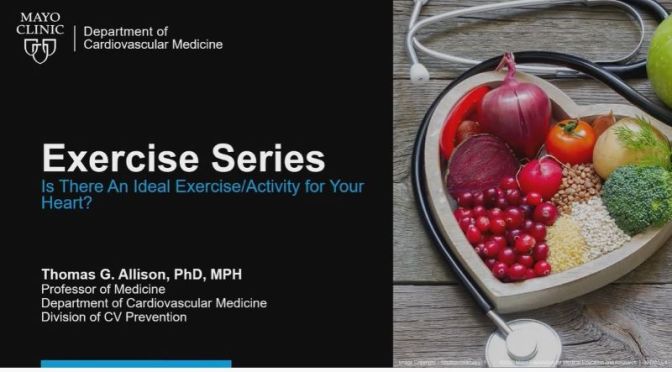
Health: ‘Ideal Exercise For The Heart’ (Mayo Clinic)

Mayo Clinic Division of Preventive Cardiology will be preparing a series of recordings focusing on Cardiovascular Disease states. This is the Exercise Series and this particular one focuses on exercise and the heart.

Science: American Indian Covid-19 Cases, Healthy Heart Diets (Podcast)

First up, host Meagan Cantwell speaks with Abigail Echo-Hawk, director of the Urban Indian Health Institute and chief research officer for the Seattle Indian Health Board. Echo-Hawk shares what inspired her journey in public health and explains the repercussions of excluding native people from health data. 

This story was originally reported by Lizzie Wade, who profiled Echo-Hawk as part of Science’s “voices of the pandemic” series. Next, host Sarah Crespi interviews Danielle Murashige, a Ph.D. student at the University of Pennsylvania, about her Science paper that attempts to quantify how much fuel a healthy heart needs. 

Health Video: ‘Surgeon General Hypertension Report’ (JAMA Network)

The US Surgeon General’s office has released a report emphasizing the importance of making hypertension control a national public health priority. Vice Admiral Jerome Adams, MD, MPH, the 20th US Surgeon General, discusses the report’s background and recommendations.

Recorded October 7, 2020.